We Help Entrepreneurs Build
Highly Profitable LIVES
We'll teach you everything you need to know about living a profitable life as a 21st century lifestyle Entrepreneur. Curious how?
We Help Entrepreneurs Build Highly Profitable Lives.
We'll teach you everything you need to know about living a profitable life as a 21st century lifestyle Entrepreneur. Curious how?
Future Publications & Features




Future Publications & Features

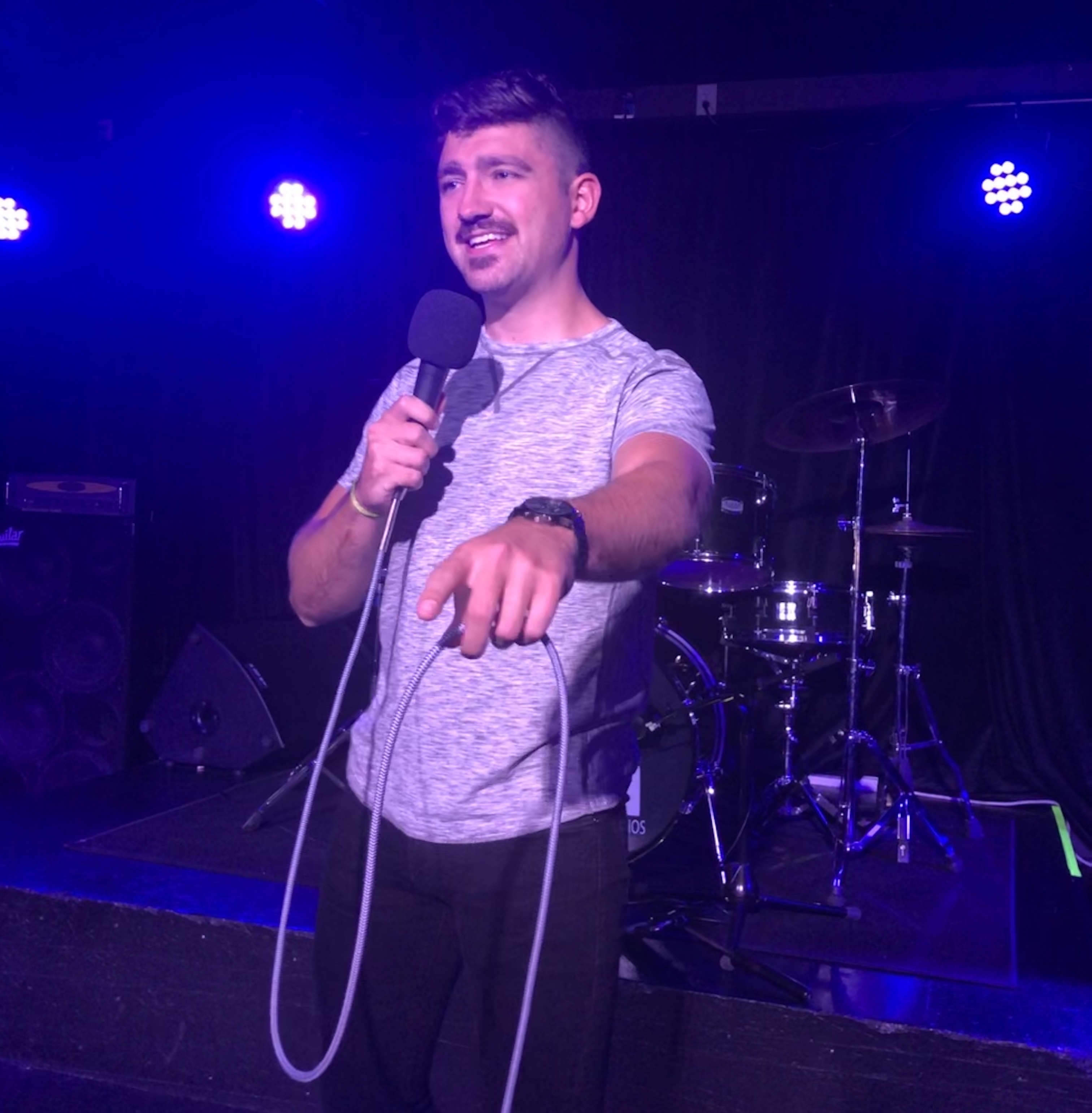
Who Is Wayne Veldsman?
Wayne Veldsman, owner of Vel.Consulting and Journey To Legacy, began his career by building several digital businesses out of his college dorm room....
Wayne is an accomplished business growth strategist, success coach, and entrepreneur. He specializes in helping entrepreneurial minded individuals to grow both their mindsets and their income.
After starting his first business in 2014, Wayne successfully launched and scaled a digital marketing agency to a 7-figure valuation before deciding to exit in 2019 to move to Denver, Colorado and start chasing his passion of coaching and public speaking.
Wayne actively works with entrepreneurs and businesses who are looking to take massive action and create drastic changes in their lives.
Not Sure How To Make The Drastic Change Necessary To Live The Life Of Freedom That Comes With Being A Lifestyle Entrepreneur?
Discover the stupid simple method to growing businesses digitally on autopilot, so that you can get back to your life.
Our students and clients aren't just satisfied, they're building life-changing businesses, doing what they want when they want, and living their lives chasing passion, not just profits.

Media Spotlights...






The 3-Step Strategy To Growing Businesses Digitally
Are you an Agency Owner, Service Provider, or Entrepreneur who sells online and want your pipeline filled with 300+ appointments with your idea client every single month? Are your SERIOUS about growing your business and want to work with Wayne 1-on-1?
Launch Into Digital Entrepreneurship is a course and coaching program specifically designed to take agency owners and online service providers from manual prospecting and wondering if this is ever going to work out, to having a very specific system in place which is going to allow you to generate 20 to 30 booked appointments every single day!
You're going to get a step by step process to building out your prospecting, sales and fulfilment system, and building your sales team so that you can close clients while stepping away from your sales process.

Price - $1,997 $97 (Limited Time Offer!)
Every time we generate you a new lead interested in your marketing services, your dashboard will automatically add the new lead into your CRM, and send the new lead an SMS, email, and even automatically call you to connect you right away!

Become More Focused, Be More Productive, Burn Out Less
Price - FREE training
From The Desk Of Wayne Veldsman (blogs)
How to Be More Present When You’re Always Thinking About Work
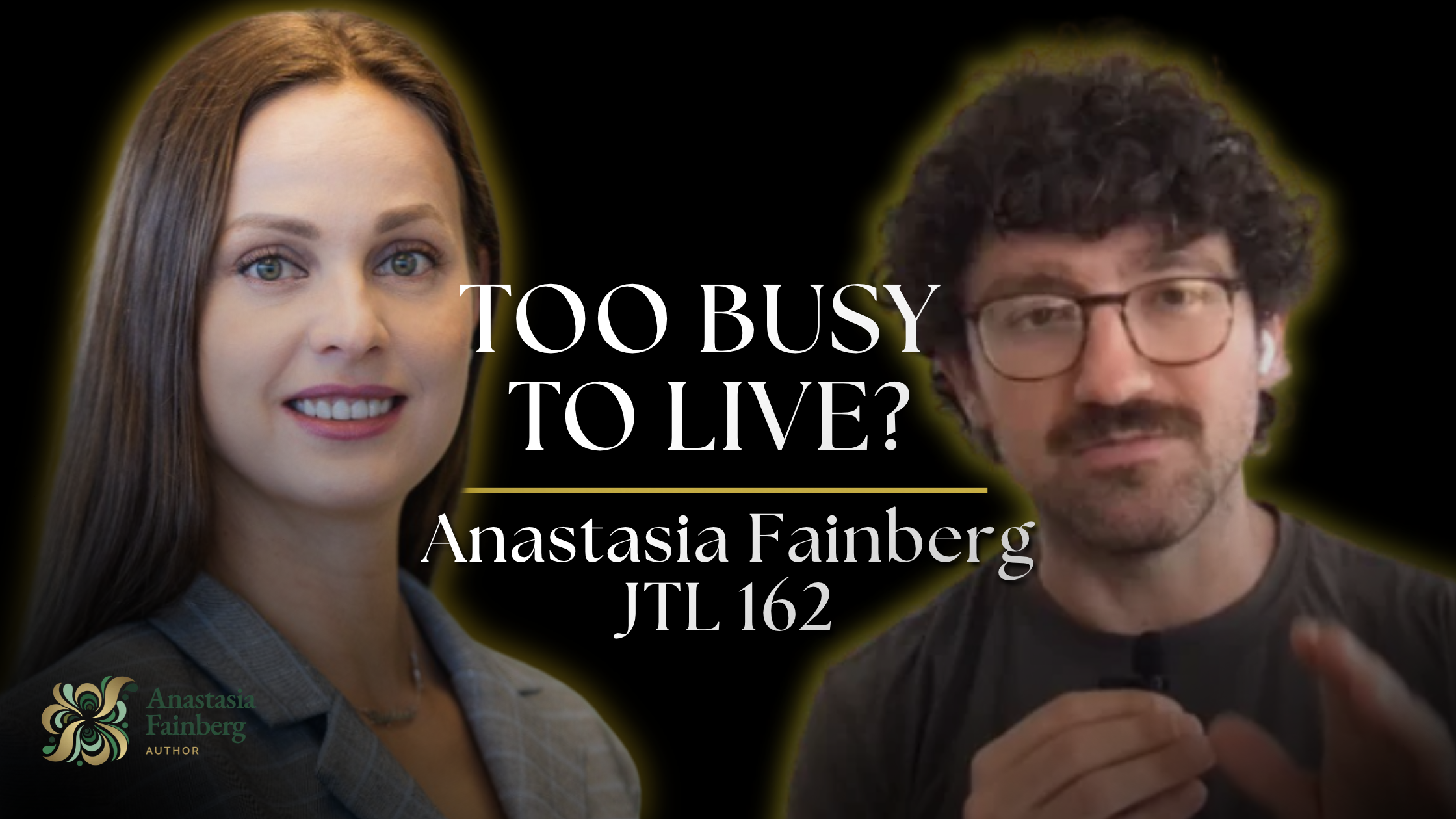
Want to hear the full conversation? Listen to the Journey To Legacy podcast Episode 162 with Anastasia Fainberg for even more insights and stories from her remarkable entrepreneurial journey.
How to Be More Present When You’re Always Thinking About Work
To be more present when work occupies your mind, choose one everyday activity and give it your full attention. Put your phone away, notice what you can feel or hear, and gently return to that activity whenever your thoughts move to work. Start with one minute.
You finally sit down with your coffee. Your brain, meanwhile, is in Thursday’s meeting.
By the time you’ve rehearsed a difficult conversation, the cup is empty. You barely remember drinking it.
In her Journey to Legacy interview with Wayne Veldsman, Anastasia Fainberg, founder of Legacy Law Group Colorado, shared a practical approach to being present. As a single mother of three, business owner and author, she described practicing awareness within a full life. Anastasia Fainberg
What does being present actually mean?
Being present means paying attention to what you’re experiencing now. During a conversation, that means listening to the person speaking. During your morning coffee, it means noticing the taste instead of automatically reaching for your inbox.
Anastasia distinguishes experiencing a moment from mentally describing it. You can be sitting with your family while replaying something a client said. Your surroundings haven’t changed, but your attention has moved elsewhere.
Noticing that shift gives you somewhere to begin.
How can you practice mindfulness without extra time?
Anastasia suggests using activities already in your day, including drinking coffee or taking a shower. The practice fits into an existing routine.
Her advice in the interview was simple: “Put your phone away and actually enjoy your coffee.”
Try this exercise with your next cup:
Remove one distraction. Leave your phone out of reach and step away from your screen.
Notice a physical sensation. Feel the mug’s warmth or pay attention to the flavor of your drink.
Return when you drift. If you start planning tomorrow, notice it and bring your attention back.
Stay for one minute. Let that be enough for this attempt.
The exercise gives you something specific to return to whenever your mind wanders.
Being present also leaves room for practical responsibility. After that minute, you can return to the work you’ve chosen to do.
What should you do when work thoughts interrupt?
You might remember an unanswered message halfway through that first sip. That’s a moment to practice returning your attention.
Anastasia describes repeatedly catching herself getting drawn into a story. For a business owner, that story might involve predicting how a client will react or rehearsing a conversation before it happens.
When a genuine task comes to mind, you can write a short reminder and decide when you’ll handle it. Then return to your coffee or the person in front of you.
If work repeatedly takes over your personal time, setting boundaries at work can help you make those commitments visible.
How can you be more present with people?
Anastasia also recommends looking at the person you’re speaking with and giving your children your attention when you’re together.
Choose one conversation today. Put your screen aside and listen through the other person’s sentence before preparing your reply. If your thoughts drift toward a deadline, return to their words.
You can apply the same approach during a client meeting. Give the conversation your attention before moving to the next responsibility.
Where should you start today?
Choose a familiar moment you usually rush through. Decide what you’ll notice, then give it one minute of attention.
Tomorrow, use the same moment again. Keep the practice simple enough to repeat during an ordinary working week.
TRANSCRIPTS:
WAYNE:
And so thank you so much again. I'm super excited to have you. Like, I think our audience is gonna learn so much from you because you somewhat them, or almost they're you a few years ago. And so why don't you kick us off, just tell everybody a little bit more about yourself and maybe why they should be listening to you today
ANASTASIA:
Yeah, absolutely. Thank you for having me. So I'm Anastasia Fainberg. I'm the owner and founder of Legacy Law Group, and I'm also an author, um, of a newly released book. But the reason why people should listen to me, um, is that I've basically built everything from scratch. I come from a family of immigrants who have had to move to this country with basically nothing but a couple of suitcases and some cash.
And then I was able to build a life for myself, go to law school, found myself working for a big downtown law firm straight out of law school, and then kind of quickly realized that I wanted to build my own legacy, and that's how Legacy, the law firm, came into being. Um, so... And I've been building it successfully ever since, and now I'm also an author, so I'm taking a different career path at this point.
And all of that is very heavily focused on just being a self-starter and an entrepreneur and just chasing my goals.
WAYNE:
Amazing. Man, thank you. Um, thanks for a little bit of the background, like coming from an immigrant family and like you said, self-starter, like self-made, self-built, um, and then making this pivot from downtown law firm to running your own firm and as well now being an author I think is, is really great. I'm gonna flip the interview upside down a little bit, 'cause usually at the end we talk about legacy. But since you run Legacy Law Group, why don't you s- start us off, like tell me what is legacy to you? Like, how would you define that for everybody?
ANASTASIA:
Yeah. So I always talk about legacy as something that you consciously build today. So it's the concept of leaving a conscious legacy, and you actually start building it while you're still alive. And what matters the most to me, again, as a, as an immigrant, as a mother of three, as a business owner, is making sure that we leave more than just money or financial assets to our kids, to our families, to everybody that's gonna be left to pick up the pieces.
So definitely don't wanna leave a mess. You definitely don't wanna send your family to court. So leaving a conscious legacy is leaving them a story, a kind of a springboard that's gonna take them to become better versions of you, better version of the family heritage that you're trying to carry forward through them.
So when I talk to clients about estate planning, it's always not just about how much money do you have and how do you want that to go to your kids, it's more about what ideas do you have, what stories do you wanna tell, what guidance do you wanna give your kids, and how do you make it very easy? How do you make that transition when, you know, you're no longer here and they're going through grief and they're going through trauma?
How do you make that easier for them to, again, set them up for success?
WAYNE:
So it's not as much just the, the finance side or, I mean, you're an estates planning primarily attorney in your law firm, it's, it's much more than that. I like how you put it's a story and a springboard to allow often your kids, right, to become better versions of you. I, I wanna make sure everybody knows that you're not this classic, I mean, I was gonna say classic attorney that is super rigid.
There's so much more to you, right? Tell us a little bit about your book and the more holistic spiritual side of you as well.
ANASTASIA:
Yeah, absolutely. So, um, as an entrepreneur, as a business owner, as an attorney, as, um, I'm sure a lot of our listeners can relate to, we constantly kinda chase the next shiny object. You know? It's Type A personalities. It's somebody who's constantly achieving, somebody who's constantly going after their goals.
And a lot of that, just me knowing a lot of other attorneys, um, that unfortunately doesn't have a lot of inner peace that comes along with that. So you're usually very, uh... There's high worry, anxiety. There's a lot of, um, issues that come up for you personally when you're a business owner or an entrepreneur or an attorney or somebody that just works a lot.
So m- my whole life, I was what you would call a seeker of kind of the ultimate truth. So for me, it's not really about God or the universe or any sort of religion. It's more of, like, why are we here? What's the point of all of this? And why do we constantly live in this cycle of pleasure th- through pain?
So we always chase something that's gonna get us pleasure, but it always comes through suffering and pain. So for me, the inquiry was prompted by just, how do I become peaceful and content no matter what happens out there in the world, and how do I show up from that peace and contentment as a business owner, as a mom, and how do I make that really shine through my day-to-day living?
WAYNE:
You were this seeker asking why? Like, why do we exist? What are we really here for? How do you find this, like, peace and contentment This is really great, right? So many of our listeners have been pigeonholed into this identity of their job, of their work, but they're not... They have a feeling that they're not following their purpose, that they're not really living aligned.
Like, when did this shift happen for you? If you can think back, maybe like what triggered it, and what steps did you take to help to find your identity outside of work and your career?
ANASTASIA:
Yeah. Unfortunately, all of the major shifts in life, uh, and all turns to spirituality always begin with some sort of trauma. So in my book, I call it the three metaphorical deaths that I had to go through before I kind of found my, uh, life forever. So, um, I talk about the immigration being the one of them when I was a teenager coming into this country with basically nothing and starting from scratch and learning a new language and becoming a new version of myself and kind of rebuilding from scratch and how traumatic that is.
And then I talk about my divorce that happened when, you know, my youngest daughter was just not even two. So kinda again, building a brand new life and you grieve that-- you grieve the version of the life that you could have had, and now you have to build a new family with your kids, and you go through a lot of changes.
And again, all of that comes with pain, with suffering, with, um, overachievement, with proving yourself to the world. And again, these stories that we tell ourselves, they just tend to really control our minds, and then we become so kind of entrenched in that identity that it's really hard to let go. So those traumatic experiences eventually led to the r- realization and the inquiry into the non-dual aspect of spirituality and what it is really to be human, what it is really to be fully present, and how do you make that part of your day-to-day routine without, you know, giving up practical responsibility, but also, uh, still being a full-- the better version of-- the best version that you can be as a mom, as a business owner, and, and as an attorney.
WAYNE:
Yeah. Interesting. I mean, so this, this metaphor of these three deaths, right? Is such a practical example for everybody that change happens through trauma, right? For you, uh, moving to the US, right? Immigrating when you were a teenager, right? Going through your divorce, and then this deep spiritual shift at the age of 36. Right? is a really great reminder for everybody that trauma can happen for you depending on how we decide to look at it and how we decide to use it. And Stacia, how do we maybe see it and realize it in the moment and use pain like this for good instead of, you know, having to wait five or 10 years and looking back and now being thankful and grateful for it, and now being able to allow it to steer us in the direction that we have to go in life?
Like, how can we grasp that earlier?
ANASTASIA:
Yeah, I think the most practical advice I've ever heard, actually from my spiritual teacher and something that I preach to everybody that I talk to, and, uh, uh, I spend a lot of time on it in my book, is just being silent and being present. Um, it, it's, it sounds really easy, and it is actually really simple, but what, what it really truly means is that we spend 99% of our time living through our mental descriptions of what we think life is instead of experience, experiencing it directly.
So when you experience life directly without telling yourself a mental story of what is occurring, uh, we always have this mental monologue that just keeps going. There's always somebody to blame. There's always something you should have said. There's always something that should have happened differently.
We always tell ourselves what reality should look like, and all of that comes from the ego. But the switch is just as easy as to shut that off and be present right here with your own five senses. Experience life directly. Sometimes it's pain, sometimes it's pleasure, sometimes it's love, sometimes it's hate.
It can be different emotions, but you show up for all of that equally, without judging, without claiming ownership, without, you know, trying to control things. You just let life flow through you. 'Cause again, life is nothing but just a quantum field of energy, and our egos, our stories that we tell ourselves are a constriction or, like, a certain set of, um, c- constricting efforts that come into that flow of energy, and they restrict the natural flow of things, how they should really take place, because we tell ourselves all of these stories.
The moment you remove that resistance, that's when the energy will flow beautifully without you needing to control it, know what's gonna happen tomorrow, know what you're gonna have for dinner when you're sitting in front of your client. It all will just unfold itself in the mo- in the moment beautifully.
Just stop telling yourself stories and being caught up in the mental chatter.
WAYNE:
Stop telling yourself the stories, right? Stop getting caught up in the mental cha- chatter, right? It's, it's tough to say, but almost let, try and let go of control allow life to happen the way that it's supposed to. You, you talk about being silent and present, right? Which I'm a huge advocate for. What would you say to somebody that says they don't have time to be silent and present, being silent and present is just a waste of time
ANASTASIA:
Again, it's a story that they tell themselves. If you tell yourself that you don't have time to be present, then you're really not living your life. Um, you know, as a single mom of three, as a business owner, as an author, uh, and now doing the podcast tours, people always ask me, "How do you find time to do all of this?
How did you find time to write the book? How do you find time to still work out and travel and do all of those things?" And again, when you tell yourself a story that you don't have time for something, you will never have time for anything. But if you don't think about it that way, you don't impose that limiting belief upon yourself, and you just...
To me, it's, you know, there will always be place and time for the things that are meant to be, and I just let them kind of enter my life very naturally. And yes, from an outsider looking in, if you're just rationalizing my schedule, you would look at it and be like, "This woman probably doesn't sleep." But in my life, it unfolds very harmoniously, and I, I love what I do, and I show up for things very clear-minded.
Again, if you tell yourself you don't have time to be present, then you're not really fully living
WAYNE:
If you're telling yourself that you don't have time to be present, then you're not really fully living. If that's not already in this book that you wrote, I hope that you put that in the next one,
ANASTASIA:
It is in there.
WAYNE:
And wow, you talked about these limit... Good. Amazing. I'm super excited. I know we'll talk about at the end again, but anybody that's already intrigued in the book, like where's the best place for them to go to check it out?
ANASTASIA:
It's on Amazon and it's called How I Died at Age 36 But Will Live Forever
WAYNE:
Beautiful. Beautiful. We'll link to everything down, down below also. man, this idea of limiting beliefs and the story that you're telling oneself, I can only guess that you, you weren't always this way, right? Tell us what were... What was almost old Anastasia compared to new? Like, how did you live your life?
How did you experience life versus today? So that people can maybe start a, to feel a grasp of like, okay, this is who they are right now, but if they do shift, what could they potentially unlock?
ANASTASIA:
Yeah. Old Anastasia was just constantly worried, sleep deprived, and just anxious, and almost on the verge of having panic attacks, 'cause there's just too much to handle, and too much that's, again, too many stories that are going on up here about, how am I gonna make all of this happen as just a single woman?
And the moment the perspective shifts more out of that version of yourself, out of that story that you're telling yourself you are, more into this quiet presence and just letting life kind of show up for you and just reacting to it in the moment, when you switch from being up here to being present over here, all of that goes away.
Like, I no longer worry. I forgot what it is to be worried. I don't really become anxious about things. I don't ever rehearse anything anymore. I don't overthink. But again, just that shift made everything. And I give a lot of examples of it in my book, how it affected my business, how it affected my relationships with my kids, my parents, my friends.
It really, again, it's the best metaphor is that you basically just remove the plug, which is your ego, out of the natural flow of things. When you remove that, then you're just letting life flow, and you find yourself to be part of that life, not something that is separate from life, trying to control it, trying to grasp it, trying to, you know, make it flow your way.
When you release that, then life will flow and you will find yourself in a beautiful flow of things. Sometimes you're like, "Wow, how did that happen?" But it does happen in a very divine way when you just let it happen without trying to control things.
WAYNE:
I, I love it so much. Um, okay, so you gave now this example, right? Of past Anastasia was this sleep deprived, trying to control everything, right? now it's letting things happen, having a trust and a security in yourself, in the world, right? That things will unfold the way that they're supposed to in a positive way. Great, right? It's this duality that we have. Now, I may have asked this earlier as well, but how can we make this transition? Like, it sounds so simple to say and present is the way to go, but I think it's harder others than it is for us, right? We live in it. So how can we practically start to make this shift from only way that we know is worry, is do more.
I can't sit still because then I'm not doing anything. I need to control everything. How can we practically start to take the steps to make this shift happen?
ANASTASIA:
Yeah, and I think, uh, when-- what you said, I can't sit still, it's not about that at all. That is more-- I think that's, again, a lot of people get caught up in this, that now I just have to be this silent, vegetative person who doesn't move, who doesn't do anything, and I just let things unfold. But that again is an effort.
You are making an effort to be silent, and you're making an effort to not do things. It's almost like, again, another version of your ego is now this nihilistic personality that just denies the life its existence. So it's not about that at all. And I give, um, certain practices in my book that are, like, encouraging people.
They're not really meditations, but if you can just take a minute or two or three a day, whatever you have, and just be present. And sometimes it's like observing your five senses, you know? There's one that just tells you, okay, if you're drinking coffee in the morning, like put your phone away and actually enjoy your coffee.
Like inhale it, smell the aroma of it, feel the sensation of it entering your body, feel the warmth, feel the mug, whatever it's made of. When you're taking a shower, just focus on the shower, on the feel of the water. Be grateful for that water. Be grateful for the toothbrush that you have in your hand. It's all about, again, just switching from the mental description of the moment or thinking about what you're gonna do later, but just-- you don't even have to sit down and meditate.
You can do it in the moment. It's that constant reminding yourself that I am being trailed off again into a story, and I'm almost like a, a robot that just automatically reacts to things. Don't be a robot. Just be right here. Like, feel your coffee mug. Look in the eye of the person that you're talking to.
Be fully present with them. If you're with your kids, just be present with your kids. Enjoy every moment, and you will see that even making that-- at first it'll be an effort. But even if, if you can try to be that for even a minute or a couple minutes a day, you'll sleep better, you'll be calmer, you'll be more peaceful, and then life will just start kinda reshaping itself more into that harmonious pattern.
WAYNE:
Ev- everybody, these things might sound, I don't wanna say sound simple, 'cause they are simple, and but they might sound like, well, what is that gonna do? Like, me just echo this here. Um, some people know my story. I was on pretty heavy anxiety and depression medicines for about eight years, medicated, and I directly found mindfulness meditation, which is more of a sit down for trying, you know, five, 10, 20 minutes. But at the end of the day, what it is is exactly what you just described, right? It's just being present even for a moment. I tell everybody, a singular conscious breath is a great step to take. everything down, just close your eyes, and just feel actually the air coming through your nostrils, down your throat, into your lungs. Pause and then feel the air coming back out. Same thing with the coffee, right? Actually feel the mug in your hands. Feel it. Smell it. This is gonna literally train you to stop overthinking, right? To be silent, to be present, um, to release control, right? Mm. Excuse me. That's, that's really great. Thanks for sharing. So let's shift a little bit somewhat back towards, I wanna talk about estate planning just briefly. Uh, in your book or is online, what I found is that you compare three different levels of estate planning to three different levels of spirituality. Like, talk to us a little bit about that relationship, and if you wanna go into these levels, that'd be great as well
ANASTASIA:
Yeah. Uh, just quickly, uh, 'cause if I go too much into it, we'll run out of time pretty quickly. But, um, I talk about kind of the levels of awareness. Certain minds are just beginner minds. So to them, you know, you can give them a religious fairy tale and just tell them to believe it, and they will believe it.
They're-- Basically, they take, uh, kind of no personal inquiry into things. So those people will be the people that follow religious leaders. They will be the people that just kind of do what the world tells them to do. And then those people tend to not really plan. Those are the people that don't plan their estate at all, and they just leave it up to chance and they say, "Oh, my kids will figure it out.
I won't be here, so who cares?" And then we go into that intermediate mindset of like, okay, I kinda have some level of, um, critical inquiry into this, and I realize that a lot of the religious stories and the variety of different religious stories that are out there are not really clicking into a complete puzzle for me.
So I'm gonna start looking into mindfulness and other aspects of spirituality that are not just religion. And so those minds will actually start planning things, and they will maybe rely on a will. They will take the first basic step, and they will write a will and leave everything to their kids or their spouse.
And then the third level is what I call an advanced mind or an advanced seeker, is somebody who doesn't just settle into a template. It's somebody who's gonna take the inquiry further and make it very personal until they get all of their I's dotted and their T's crossed. And those are the people that I say will actually work with an attorney to create a trust for their kids and put more guidance into it and leave that conscious legacy, because those people will plan, and they will, again, follow the universe into a more harmonious story that not only are they telling during life but also that they're leaving behind
WAYNE:
Wonderful. I like that you mentioned this conscious legacy again. So something that came up, I'm gonna play a little bit of a almost a devil's advocate role here in a moment, where is this balance between I'm present, I'm quiet, I allow life to happen, I relinquish control, while at the same time I have to control and set up and plan for the future with a will, with a plan for after I'm dead, right?
Like, this is, do I- dare I say somewhat opposites?
ANASTASIA:
Yeah, I think you're picking up the main concept that I talk about in the book, and it takes a while to fully grasp it. But just briefly, it's called the ahankara, or this idea that we have of the ego, th- somebody like an individual self-sufficient entity that somehow controls things, that is in charge of planning, that is in charge of your life and all of that.
So I go into the exploration of what that really is, and then I show readers that it's just a mental construct again, that the ego itself is not an individual entity that exists outside of the universe and controls things. Again, things just happen. Ego is just the idea that arrives a few seconds later and claims ownership over that idea.
So again, if you show up for life from the point of view of being present, things will happen. Your body is a perfect machine that's been, uh, made by the laws of physics and biology, and through evolution will react in the most natural way to whatever presents itself. So it's not like, again, you're not gonna sit in the Himalayas or meditate for life or become a vegetable completely.
You will just show up in a more present, unrestricted way. That doesn't mean that you have to find somebody who controls all of it. There is nobody controlling any of it. Things will just happen more naturally. Energy will flow towards these higher achievements, like planning your estate and doing better things and attaining a higher level of spirituality without the ego controlling who does that.
Nobody does anything. My book basically tells you the "I" that you always thought yourself to be does not really exist, and then it sends you on a, an inquiry to really see it, because when you end up searching for it, you don't find it. But it doesn't mean that now you escape the practical responsibility of things, 'cause again, you can't cut out your body from the fabric of space, from the fabric of the universe.
You still exist as a whole with everything that's around you. And so when you shift that to be your life view and that perspective, then everything will happen more beautifully, including planning your estate, including running your business and having relationships with your family members and friends.
WAYNE:
Wonderful. Are there any, um, I think you mentioned, like a, a coach or a spiritual leader of yourself. Are there any, uh, resources that come top of mind additionally? Obviously, your book is a amazing one. Are there any specific thought leaders or other authors, um, even podcasts that you like to recommend to people?
ANASTASIA:
There's a bunch. I think the, uh, it just-- I try to make it very simple, but a lot of my inquiry started with just researching the, you know, ancient Eastern teachers, like the Dzogchen Buddhism and Advaita Vedanta. Those are the two schools of thoughts that kind of conflate, and they, um, they don't conflict each other, but they all-- but they both arrive at the same level of understanding that we are non-dual.
And now quantum physics actually echoes that. So for those of you that have more of a scientific mindset, just try reading the latest quantum physics research, and it'll tell you the same thing. It literally, ancient spiritual traditions and modern-day science just complement each other so beautifully that no matter where your inquiry takes you, you will arrive at the same conclusion that we are a non-dual consciousness that does not need to tell itself stories or limit itself.
You're unlimited potential. Just live your life fully, be present, and beautiful things will happen.
WAYNE:
Thanks for, thanks for that. As we, uh, as we start to wrap up a little bit, I read some interesting pieces online that I wanna get your, get your take on. I saw that the singer Prince died with about $150 million in assets, but he had no will and testament. how and, like, why would that possibly happen?
ANASTASIA:
Lack of planning. Like, a lot of, uh, creative people, especially people that, um, you know, live that Hollywood lifestyle, uh, a lot of us, again, look at that as the epiphany of, of, like, uh, success and money and all of that. But people that actually live in it are the most tormented, unhappy people. And so they typically escape into drugs, alcohol, whatever.
So they just... Their mind is not really fully there to plan. Um, it is unfortunate. He actually had a huge estate tax implication as well that he could have avoided if he actually did some planning. But again, it just goes back to that idea of no matter how famous or rich or powerful you, you are as this egocentric being that we associate ourselves with, um, this practical responsibility and things that you can do differently, they don't change.
We're all human. We all have things that we have to plan. And those who just don't have the capacity to do that, that's how their family ends up losing that $150 million in court battles to the IRS and into... It's not a conscious legacy at all. It's more of a mess that he left behind
WAYNE:
No. Yeah, absolutely. Now here's a little bit of a controversial statement that I saw online. So what would you say to somebody that says to never leave your kids anything in a will?
ANASTASIA:
If it's in a will, I would agree, because a will has to go through probate. Um, so I would never want my kids to go through a court process when they're grieving, and I would... Uh, b- most of my clients, when you explain probate to them, they don't wanna send their family through probate. You don't want to have somebody who's grieving a loss of a parent or a spouse to have to go to court and fight it out in front of a judge.
So when people say, "Don't leave a will," I think that's what they mean. But a lot of people would also say that by leaving things to your kids directly, either through a will or a trust, you're actually giving them free money that they don't appreciate. So that could be part of that, too. That's why with a lot of the planning that I do with my clients, we typically don't just give people money.
We give it in a trust with specific guidance on what we want them to use that money for. And then that becomes, again, more of a planned and conscious way to leave your estate versus just like, "Here's your check. Go do whatever you want with it."
WAYNE:
Nice. Well said. Thank you for that. So your, your law firm operates slightly differently than some others, right? You guys don't bill on an hourly, minute-by-minute basis, right? You are flat fees. Does hourly billing... I'm kind of curious why, right? Why is, is this this way? Does hourly billing make lawyers just drag things out longer than they should?
ANASTASIA:
I think first and foremost, the reason hourly billing is just not a good model is that it discourages communication. Um, a client's never gonna pick up a ph- the phone and call you with a legitimate question if they know that they're getting billed in six-minute increments. So that's where a lot of your legal work can go out of date or could be misunderstood, or could be the client will just not want to talk to you.
And again, why would you not want your client to talk to you? You are there for them. You're their advisor. You're their fiduciary. So by imposing this, like, six-minute increment billing, you're discouraging your client from ever wanting to talk to you. And so I flipped that model of like, okay, here's the flat fee concept.
We're gonna charge you a flat fee, no surprise billing, and please do let me know if something that doesn't make sense or you have a change in your family situation, or you have a question. I want my clients to feel like they can reach out to me at any point without having to be worried that I'm gonna send them a bill every time I read their email
WAYNE:
Yeah. I mean, that sounds absolutely terrible. And so, like, what is the upside of it? Like, is hourly billing made pretty much just to benefit some of these law firms?
ANASTASIA:
Mostly, I think it's because, again, um, big law firms, and I worked for one, that's how they sustain themselves. It's very high overhead that they have to pay. Attorneys make a lot of money. Attorneys have to pay their support staff, legal software, all of that. So the only way they can sustain themselves is by billing 2,000 billable hours a year is...
was, was my requirement when I was an associate law firm, uh, at a law firm. It was just... I mean, it's insane. Uh, you have this billing requirement. You always have it in the back of your mind when you talk to client. You almost wanna drag or milk the clock, as they say it, but then you have the client on the other side, and they've hired you to be their fiduciary, to be their advisor, but you're just in it for the billable hour.
So that whole model is just absolutely flawed, and I would never go back to billing by the hour
WAYNE:
Beautiful. Um, then one more that I thought was pretty, pretty fun and interesting right now, right? Uh, is absolutely everywhere, whether it's Claude or ChatGPT or Gemini. What would you say to somebody who says, "Why should I even hire an estate lawyer when ChatGPT can draft my will and testament for me?"
ANASTASIA:
Oh, this is great. I love this one. Um, and again, if you become a client, you'll quickly learn, yes, ChatGPT or Claude or whatever advanced AI can draft anything. It can write a very complex trust. But then will you actually read it and understand what it's doing for you and how you're supposed to put your assets into this trust?
Will that, just reading a 100-page legal document with a bunch of legal citations as a layperson, would you understand what it's making you do or what it's doing for your family? In 100% of cases, the answer is you absolutely will not understand anything. And by printing out a trust and just signing it, you're not doing anything.
There is no conscious planning that goes into it. You have no clue how to retitle your assets. You have no clue how your assets actually have to play into that trust. You don't even know what follow-up questions to ask to that ChatGPT or AI that wrote your trust. So it's just basically a piece of paper that's doing nothing for you.
And again, you can just throw that paper away and... My clients pay me for my guidance, for my expertise, for that human relationship that we build, um, and AI just simply cannot do that for you
WAYNE:
I, I completely agree, right? So what that you now have a piece of paper, right? You don't know what to do with it. Absolutely like your kids or heir, whoever they might be, will not know what to do with it, and chances are good it's not set up in the right way that it should be. Um, wonderful. And Stacia, thank you so much.
I know we talked about this throughout the entire episode with, you know, conscious legacy, conscious planning, but I always like to end with the topic again. So when it comes to legacy, right, what even is that? Why should we care?
ANASTASIA:
It's about making this world just a better place with each generation. That's what I think about. Again, as a mom of three and just working with a lot of clients that have kids and seeing my-- a, a bunch of other kids through my kids' friends, I just think that this generation that we have now is just so beautifully set up for success and making this world a better place instead of listening to the story that the government's gonna tell them and listening to whatever their teachers tell them.
It's about raising that consciousness in them to be critical, to be questioning, to have that personal inquiry about not just my place in the world, but how does this whole world fit into my experience? How do I make it better? How do I improve with each generation? Again, I always say that true manifestation in business, any material things, anything you want in life can never come from want for your individual ego.
True manifestation is always based on altruism, and altruism is something we have to teach the new generation so that those leaders, the political leaders that only want things for themselves or for select groups of people, all of that could be dismantled eventually. And I truly believe that this generation gets it.
This generation will grow up to replace those leaders and make the world a more inclusive, altruistic place for all of us
WAYNE:
Wonderful. Let's all work together, right? Like, to improve everything around us, for us and for the future generations, set them up for success. Um, as you mentioned earlier, right? It's like give them the plan, like show them a better path to be able to follow as well. It's really great. And so for everybody listening that really wants to learn more about you, follow your journey, learn more about Legacy Law Group and your book, where's the best place for them to go?
ANASTASIA:
Yeah, so my law firm is just legacylawgroupcolorado.com. Um, so anyone in Colorado wanting to plan their estate or business succession, they can reach out to us. And then for those of you that are more spiritual seekers and they want to achieve more harmony and live this life from that non-dual, fully present point of view, then my book is on Amazon, but I also have another website, anastasiabainbridge.org, which has a lot of the resources on-- There's a channel that's just for the book readers.
There's ongoing guidance that I offer. There's gonna be retreats for business owners, so there's a lot more on the spiritual, practical side of things, um, outside of estate planning
WAYNE:
Thank you so much. Again, everything will be linked down below in the show notes. It's been such a pleasure. I look forward to doing this again really, really soon
ANASTASIA:
Thank you for having me
Outro
WAYNE:
Zero. And that's a wrap, everybody. Anastasia reminded us today that our hardest seasons often shape us the most, and that peace isn't something we have to wait years to find. Here are three takeaways I want you to hold onto. First, being present doesn't take an hour of meditation. Start with a minute or two a day, like putting your phone away and actually enjoying your morning coffee.
Second, pay attention to the stories that you're telling yourself. "I don't have time" is a story, and if you believe it, you'll never find time for what really matters. And then third, a plan only works if you understand it. A trust or a will that you can't read, fund, or explain to your family is just a piece of paper.
When I asked Anastasia what legacy means to her, she said that it's something you consciously build today. It's more than money. It's a story and a springboard that helps the next generation become the best version they possibly can be. So what story are you busy building? Head on over to journeytolegacy.org to join our community and find all of Anastasia's links in the show notes down below.
Until next time, keep building your legacy. We'll see you soon.
The 3-Step Strategy To Growing Businesses Digitally
Are you an Agency Owner, Service Provider, or Entrepreneur who sells online and want your pipeline filled with 300+ appointments with your idea client every single month? Are your SERIOUS about growing your business and want to work with Wayne 1-on-1?
Launch Into Digital Entrepreneurship is a course and coaching program specifically designed to take agency owners and online service providers from manual prospecting and wondering if this is ever going to work out, to having a very specific system in place which is going to allow you to generate 20 to 30 booked appointments every single day!
You're going to get a step by step process to building out your prospecting, sales and fulfilment system, and building your sales team so that you can close clients while stepping away from your sales process.
Price - $1,997 $97 (Limited Time Offer!)
Every time we generate you a new lead interested in your marketing services, your dashboard will automatically add the new lead into your CRM, and send the new lead an SMS, email, and even automatically call you to connect you right away!
Become More Focused, Be More Productive, Burn Out Less
Price - FREE Training
From The Desk Of Wayne Veldsman (blogs)
How to Be More Present When You’re Always Thinking About Work
Want to hear the full conversation? Listen to the Journey To Legacy podcast Episode 162 with Anastasia Fainberg for even more insights and stories from her remarkable entrepreneurial journey.
How to Be More Present When You’re Always Thinking About Work
To be more present when work occupies your mind, choose one everyday activity and give it your full attention. Put your phone away, notice what you can feel or hear, and gently return to that activity whenever your thoughts move to work. Start with one minute.
You finally sit down with your coffee. Your brain, meanwhile, is in Thursday’s meeting.
By the time you’ve rehearsed a difficult conversation, the cup is empty. You barely remember drinking it.
In her Journey to Legacy interview with Wayne Veldsman, Anastasia Fainberg, founder of Legacy Law Group Colorado, shared a practical approach to being present. As a single mother of three, business owner and author, she described practicing awareness within a full life. Anastasia Fainberg
What does being present actually mean?
Being present means paying attention to what you’re experiencing now. During a conversation, that means listening to the person speaking. During your morning coffee, it means noticing the taste instead of automatically reaching for your inbox.
Anastasia distinguishes experiencing a moment from mentally describing it. You can be sitting with your family while replaying something a client said. Your surroundings haven’t changed, but your attention has moved elsewhere.
Noticing that shift gives you somewhere to begin.
How can you practice mindfulness without extra time?
Anastasia suggests using activities already in your day, including drinking coffee or taking a shower. The practice fits into an existing routine.
Her advice in the interview was simple: “Put your phone away and actually enjoy your coffee.”
Try this exercise with your next cup:
Remove one distraction. Leave your phone out of reach and step away from your screen.
Notice a physical sensation. Feel the mug’s warmth or pay attention to the flavor of your drink.
Return when you drift. If you start planning tomorrow, notice it and bring your attention back.
Stay for one minute. Let that be enough for this attempt.
The exercise gives you something specific to return to whenever your mind wanders.
Being present also leaves room for practical responsibility. After that minute, you can return to the work you’ve chosen to do.
What should you do when work thoughts interrupt?
You might remember an unanswered message halfway through that first sip. That’s a moment to practice returning your attention.
Anastasia describes repeatedly catching herself getting drawn into a story. For a business owner, that story might involve predicting how a client will react or rehearsing a conversation before it happens.
When a genuine task comes to mind, you can write a short reminder and decide when you’ll handle it. Then return to your coffee or the person in front of you.
If work repeatedly takes over your personal time, setting boundaries at work can help you make those commitments visible.
How can you be more present with people?
Anastasia also recommends looking at the person you’re speaking with and giving your children your attention when you’re together.
Choose one conversation today. Put your screen aside and listen through the other person’s sentence before preparing your reply. If your thoughts drift toward a deadline, return to their words.
You can apply the same approach during a client meeting. Give the conversation your attention before moving to the next responsibility.
Where should you start today?
Choose a familiar moment you usually rush through. Decide what you’ll notice, then give it one minute of attention.
Tomorrow, use the same moment again. Keep the practice simple enough to repeat during an ordinary working week.
TRANSCRIPTS:
WAYNE:
And so thank you so much again. I'm super excited to have you. Like, I think our audience is gonna learn so much from you because you somewhat them, or almost they're you a few years ago. And so why don't you kick us off, just tell everybody a little bit more about yourself and maybe why they should be listening to you today
ANASTASIA:
Yeah, absolutely. Thank you for having me. So I'm Anastasia Fainberg. I'm the owner and founder of Legacy Law Group, and I'm also an author, um, of a newly released book. But the reason why people should listen to me, um, is that I've basically built everything from scratch. I come from a family of immigrants who have had to move to this country with basically nothing but a couple of suitcases and some cash.
And then I was able to build a life for myself, go to law school, found myself working for a big downtown law firm straight out of law school, and then kind of quickly realized that I wanted to build my own legacy, and that's how Legacy, the law firm, came into being. Um, so... And I've been building it successfully ever since, and now I'm also an author, so I'm taking a different career path at this point.
And all of that is very heavily focused on just being a self-starter and an entrepreneur and just chasing my goals.
WAYNE:
Amazing. Man, thank you. Um, thanks for a little bit of the background, like coming from an immigrant family and like you said, self-starter, like self-made, self-built, um, and then making this pivot from downtown law firm to running your own firm and as well now being an author I think is, is really great. I'm gonna flip the interview upside down a little bit, 'cause usually at the end we talk about legacy. But since you run Legacy Law Group, why don't you s- start us off, like tell me what is legacy to you? Like, how would you define that for everybody?
ANASTASIA:
Yeah. So I always talk about legacy as something that you consciously build today. So it's the concept of leaving a conscious legacy, and you actually start building it while you're still alive. And what matters the most to me, again, as a, as an immigrant, as a mother of three, as a business owner, is making sure that we leave more than just money or financial assets to our kids, to our families, to everybody that's gonna be left to pick up the pieces.
So definitely don't wanna leave a mess. You definitely don't wanna send your family to court. So leaving a conscious legacy is leaving them a story, a kind of a springboard that's gonna take them to become better versions of you, better version of the family heritage that you're trying to carry forward through them.
So when I talk to clients about estate planning, it's always not just about how much money do you have and how do you want that to go to your kids, it's more about what ideas do you have, what stories do you wanna tell, what guidance do you wanna give your kids, and how do you make it very easy? How do you make that transition when, you know, you're no longer here and they're going through grief and they're going through trauma?
How do you make that easier for them to, again, set them up for success?
WAYNE:
So it's not as much just the, the finance side or, I mean, you're an estates planning primarily attorney in your law firm, it's, it's much more than that. I like how you put it's a story and a springboard to allow often your kids, right, to become better versions of you. I, I wanna make sure everybody knows that you're not this classic, I mean, I was gonna say classic attorney that is super rigid.
There's so much more to you, right? Tell us a little bit about your book and the more holistic spiritual side of you as well.
ANASTASIA:
Yeah, absolutely. So, um, as an entrepreneur, as a business owner, as an attorney, as, um, I'm sure a lot of our listeners can relate to, we constantly kinda chase the next shiny object. You know? It's Type A personalities. It's somebody who's constantly achieving, somebody who's constantly going after their goals.
And a lot of that, just me knowing a lot of other attorneys, um, that unfortunately doesn't have a lot of inner peace that comes along with that. So you're usually very, uh... There's high worry, anxiety. There's a lot of, um, issues that come up for you personally when you're a business owner or an entrepreneur or an attorney or somebody that just works a lot.
So m- my whole life, I was what you would call a seeker of kind of the ultimate truth. So for me, it's not really about God or the universe or any sort of religion. It's more of, like, why are we here? What's the point of all of this? And why do we constantly live in this cycle of pleasure th- through pain?
So we always chase something that's gonna get us pleasure, but it always comes through suffering and pain. So for me, the inquiry was prompted by just, how do I become peaceful and content no matter what happens out there in the world, and how do I show up from that peace and contentment as a business owner, as a mom, and how do I make that really shine through my day-to-day living?
WAYNE:
You were this seeker asking why? Like, why do we exist? What are we really here for? How do you find this, like, peace and contentment This is really great, right? So many of our listeners have been pigeonholed into this identity of their job, of their work, but they're not... They have a feeling that they're not following their purpose, that they're not really living aligned.
Like, when did this shift happen for you? If you can think back, maybe like what triggered it, and what steps did you take to help to find your identity outside of work and your career?
ANASTASIA:
Yeah. Unfortunately, all of the major shifts in life, uh, and all turns to spirituality always begin with some sort of trauma. So in my book, I call it the three metaphorical deaths that I had to go through before I kind of found my, uh, life forever. So, um, I talk about the immigration being the one of them when I was a teenager coming into this country with basically nothing and starting from scratch and learning a new language and becoming a new version of myself and kind of rebuilding from scratch and how traumatic that is.
And then I talk about my divorce that happened when, you know, my youngest daughter was just not even two. So kinda again, building a brand new life and you grieve that-- you grieve the version of the life that you could have had, and now you have to build a new family with your kids, and you go through a lot of changes.
And again, all of that comes with pain, with suffering, with, um, overachievement, with proving yourself to the world. And again, these stories that we tell ourselves, they just tend to really control our minds, and then we become so kind of entrenched in that identity that it's really hard to let go. So those traumatic experiences eventually led to the r- realization and the inquiry into the non-dual aspect of spirituality and what it is really to be human, what it is really to be fully present, and how do you make that part of your day-to-day routine without, you know, giving up practical responsibility, but also, uh, still being a full-- the better version of-- the best version that you can be as a mom, as a business owner, and, and as an attorney.
WAYNE:
Yeah. Interesting. I mean, so this, this metaphor of these three deaths, right? Is such a practical example for everybody that change happens through trauma, right? For you, uh, moving to the US, right? Immigrating when you were a teenager, right? Going through your divorce, and then this deep spiritual shift at the age of 36. Right? is a really great reminder for everybody that trauma can happen for you depending on how we decide to look at it and how we decide to use it. And Stacia, how do we maybe see it and realize it in the moment and use pain like this for good instead of, you know, having to wait five or 10 years and looking back and now being thankful and grateful for it, and now being able to allow it to steer us in the direction that we have to go in life?
Like, how can we grasp that earlier?
ANASTASIA:
Yeah, I think the most practical advice I've ever heard, actually from my spiritual teacher and something that I preach to everybody that I talk to, and, uh, uh, I spend a lot of time on it in my book, is just being silent and being present. Um, it, it's, it sounds really easy, and it is actually really simple, but what, what it really truly means is that we spend 99% of our time living through our mental descriptions of what we think life is instead of experience, experiencing it directly.
So when you experience life directly without telling yourself a mental story of what is occurring, uh, we always have this mental monologue that just keeps going. There's always somebody to blame. There's always something you should have said. There's always something that should have happened differently.
We always tell ourselves what reality should look like, and all of that comes from the ego. But the switch is just as easy as to shut that off and be present right here with your own five senses. Experience life directly. Sometimes it's pain, sometimes it's pleasure, sometimes it's love, sometimes it's hate.
It can be different emotions, but you show up for all of that equally, without judging, without claiming ownership, without, you know, trying to control things. You just let life flow through you. 'Cause again, life is nothing but just a quantum field of energy, and our egos, our stories that we tell ourselves are a constriction or, like, a certain set of, um, c- constricting efforts that come into that flow of energy, and they restrict the natural flow of things, how they should really take place, because we tell ourselves all of these stories.
The moment you remove that resistance, that's when the energy will flow beautifully without you needing to control it, know what's gonna happen tomorrow, know what you're gonna have for dinner when you're sitting in front of your client. It all will just unfold itself in the mo- in the moment beautifully.
Just stop telling yourself stories and being caught up in the mental chatter.
WAYNE:
Stop telling yourself the stories, right? Stop getting caught up in the mental cha- chatter, right? It's, it's tough to say, but almost let, try and let go of control allow life to happen the way that it's supposed to. You, you talk about being silent and present, right? Which I'm a huge advocate for. What would you say to somebody that says they don't have time to be silent and present, being silent and present is just a waste of time
ANASTASIA:
Again, it's a story that they tell themselves. If you tell yourself that you don't have time to be present, then you're really not living your life. Um, you know, as a single mom of three, as a business owner, as an author, uh, and now doing the podcast tours, people always ask me, "How do you find time to do all of this?
How did you find time to write the book? How do you find time to still work out and travel and do all of those things?" And again, when you tell yourself a story that you don't have time for something, you will never have time for anything. But if you don't think about it that way, you don't impose that limiting belief upon yourself, and you just...
To me, it's, you know, there will always be place and time for the things that are meant to be, and I just let them kind of enter my life very naturally. And yes, from an outsider looking in, if you're just rationalizing my schedule, you would look at it and be like, "This woman probably doesn't sleep." But in my life, it unfolds very harmoniously, and I, I love what I do, and I show up for things very clear-minded.
Again, if you tell yourself you don't have time to be present, then you're not really fully living
WAYNE:
If you're telling yourself that you don't have time to be present, then you're not really fully living. If that's not already in this book that you wrote, I hope that you put that in the next one,
ANASTASIA:
It is in there.
WAYNE:
And wow, you talked about these limit... Good. Amazing. I'm super excited. I know we'll talk about at the end again, but anybody that's already intrigued in the book, like where's the best place for them to go to check it out?
ANASTASIA:
It's on Amazon and it's called How I Died at Age 36 But Will Live Forever
WAYNE:
Beautiful. Beautiful. We'll link to everything down, down below also. man, this idea of limiting beliefs and the story that you're telling oneself, I can only guess that you, you weren't always this way, right? Tell us what were... What was almost old Anastasia compared to new? Like, how did you live your life?
How did you experience life versus today? So that people can maybe start a, to feel a grasp of like, okay, this is who they are right now, but if they do shift, what could they potentially unlock?
ANASTASIA:
Yeah. Old Anastasia was just constantly worried, sleep deprived, and just anxious, and almost on the verge of having panic attacks, 'cause there's just too much to handle, and too much that's, again, too many stories that are going on up here about, how am I gonna make all of this happen as just a single woman?
And the moment the perspective shifts more out of that version of yourself, out of that story that you're telling yourself you are, more into this quiet presence and just letting life kind of show up for you and just reacting to it in the moment, when you switch from being up here to being present over here, all of that goes away.
Like, I no longer worry. I forgot what it is to be worried. I don't really become anxious about things. I don't ever rehearse anything anymore. I don't overthink. But again, just that shift made everything. And I give a lot of examples of it in my book, how it affected my business, how it affected my relationships with my kids, my parents, my friends.
It really, again, it's the best metaphor is that you basically just remove the plug, which is your ego, out of the natural flow of things. When you remove that, then you're just letting life flow, and you find yourself to be part of that life, not something that is separate from life, trying to control it, trying to grasp it, trying to, you know, make it flow your way.
When you release that, then life will flow and you will find yourself in a beautiful flow of things. Sometimes you're like, "Wow, how did that happen?" But it does happen in a very divine way when you just let it happen without trying to control things.
WAYNE:
I, I love it so much. Um, okay, so you gave now this example, right? Of past Anastasia was this sleep deprived, trying to control everything, right? now it's letting things happen, having a trust and a security in yourself, in the world, right? That things will unfold the way that they're supposed to in a positive way. Great, right? It's this duality that we have. Now, I may have asked this earlier as well, but how can we make this transition? Like, it sounds so simple to say and present is the way to go, but I think it's harder others than it is for us, right? We live in it. So how can we practically start to make this shift from only way that we know is worry, is do more.
I can't sit still because then I'm not doing anything. I need to control everything. How can we practically start to take the steps to make this shift happen?
ANASTASIA:
Yeah, and I think, uh, when-- what you said, I can't sit still, it's not about that at all. That is more-- I think that's, again, a lot of people get caught up in this, that now I just have to be this silent, vegetative person who doesn't move, who doesn't do anything, and I just let things unfold. But that again is an effort.
You are making an effort to be silent, and you're making an effort to not do things. It's almost like, again, another version of your ego is now this nihilistic personality that just denies the life its existence. So it's not about that at all. And I give, um, certain practices in my book that are, like, encouraging people.
They're not really meditations, but if you can just take a minute or two or three a day, whatever you have, and just be present. And sometimes it's like observing your five senses, you know? There's one that just tells you, okay, if you're drinking coffee in the morning, like put your phone away and actually enjoy your coffee.
Like inhale it, smell the aroma of it, feel the sensation of it entering your body, feel the warmth, feel the mug, whatever it's made of. When you're taking a shower, just focus on the shower, on the feel of the water. Be grateful for that water. Be grateful for the toothbrush that you have in your hand. It's all about, again, just switching from the mental description of the moment or thinking about what you're gonna do later, but just-- you don't even have to sit down and meditate.
You can do it in the moment. It's that constant reminding yourself that I am being trailed off again into a story, and I'm almost like a, a robot that just automatically reacts to things. Don't be a robot. Just be right here. Like, feel your coffee mug. Look in the eye of the person that you're talking to.
Be fully present with them. If you're with your kids, just be present with your kids. Enjoy every moment, and you will see that even making that-- at first it'll be an effort. But even if, if you can try to be that for even a minute or a couple minutes a day, you'll sleep better, you'll be calmer, you'll be more peaceful, and then life will just start kinda reshaping itself more into that harmonious pattern.
WAYNE:
Ev- everybody, these things might sound, I don't wanna say sound simple, 'cause they are simple, and but they might sound like, well, what is that gonna do? Like, me just echo this here. Um, some people know my story. I was on pretty heavy anxiety and depression medicines for about eight years, medicated, and I directly found mindfulness meditation, which is more of a sit down for trying, you know, five, 10, 20 minutes. But at the end of the day, what it is is exactly what you just described, right? It's just being present even for a moment. I tell everybody, a singular conscious breath is a great step to take. everything down, just close your eyes, and just feel actually the air coming through your nostrils, down your throat, into your lungs. Pause and then feel the air coming back out. Same thing with the coffee, right? Actually feel the mug in your hands. Feel it. Smell it. This is gonna literally train you to stop overthinking, right? To be silent, to be present, um, to release control, right? Mm. Excuse me. That's, that's really great. Thanks for sharing. So let's shift a little bit somewhat back towards, I wanna talk about estate planning just briefly. Uh, in your book or is online, what I found is that you compare three different levels of estate planning to three different levels of spirituality. Like, talk to us a little bit about that relationship, and if you wanna go into these levels, that'd be great as well
ANASTASIA:
Yeah. Uh, just quickly, uh, 'cause if I go too much into it, we'll run out of time pretty quickly. But, um, I talk about kind of the levels of awareness. Certain minds are just beginner minds. So to them, you know, you can give them a religious fairy tale and just tell them to believe it, and they will believe it.
They're-- Basically, they take, uh, kind of no personal inquiry into things. So those people will be the people that follow religious leaders. They will be the people that just kind of do what the world tells them to do. And then those people tend to not really plan. Those are the people that don't plan their estate at all, and they just leave it up to chance and they say, "Oh, my kids will figure it out.
I won't be here, so who cares?" And then we go into that intermediate mindset of like, okay, I kinda have some level of, um, critical inquiry into this, and I realize that a lot of the religious stories and the variety of different religious stories that are out there are not really clicking into a complete puzzle for me.
So I'm gonna start looking into mindfulness and other aspects of spirituality that are not just religion. And so those minds will actually start planning things, and they will maybe rely on a will. They will take the first basic step, and they will write a will and leave everything to their kids or their spouse.
And then the third level is what I call an advanced mind or an advanced seeker, is somebody who doesn't just settle into a template. It's somebody who's gonna take the inquiry further and make it very personal until they get all of their I's dotted and their T's crossed. And those are the people that I say will actually work with an attorney to create a trust for their kids and put more guidance into it and leave that conscious legacy, because those people will plan, and they will, again, follow the universe into a more harmonious story that not only are they telling during life but also that they're leaving behind
WAYNE:
Wonderful. I like that you mentioned this conscious legacy again. So something that came up, I'm gonna play a little bit of a almost a devil's advocate role here in a moment, where is this balance between I'm present, I'm quiet, I allow life to happen, I relinquish control, while at the same time I have to control and set up and plan for the future with a will, with a plan for after I'm dead, right?
Like, this is, do I- dare I say somewhat opposites?
ANASTASIA:
Yeah, I think you're picking up the main concept that I talk about in the book, and it takes a while to fully grasp it. But just briefly, it's called the ahankara, or this idea that we have of the ego, th- somebody like an individual self-sufficient entity that somehow controls things, that is in charge of planning, that is in charge of your life and all of that.
So I go into the exploration of what that really is, and then I show readers that it's just a mental construct again, that the ego itself is not an individual entity that exists outside of the universe and controls things. Again, things just happen. Ego is just the idea that arrives a few seconds later and claims ownership over that idea.
So again, if you show up for life from the point of view of being present, things will happen. Your body is a perfect machine that's been, uh, made by the laws of physics and biology, and through evolution will react in the most natural way to whatever presents itself. So it's not like, again, you're not gonna sit in the Himalayas or meditate for life or become a vegetable completely.
You will just show up in a more present, unrestricted way. That doesn't mean that you have to find somebody who controls all of it. There is nobody controlling any of it. Things will just happen more naturally. Energy will flow towards these higher achievements, like planning your estate and doing better things and attaining a higher level of spirituality without the ego controlling who does that.
Nobody does anything. My book basically tells you the "I" that you always thought yourself to be does not really exist, and then it sends you on a, an inquiry to really see it, because when you end up searching for it, you don't find it. But it doesn't mean that now you escape the practical responsibility of things, 'cause again, you can't cut out your body from the fabric of space, from the fabric of the universe.
You still exist as a whole with everything that's around you. And so when you shift that to be your life view and that perspective, then everything will happen more beautifully, including planning your estate, including running your business and having relationships with your family members and friends.
WAYNE:
Wonderful. Are there any, um, I think you mentioned, like a, a coach or a spiritual leader of yourself. Are there any, uh, resources that come top of mind additionally? Obviously, your book is a amazing one. Are there any specific thought leaders or other authors, um, even podcasts that you like to recommend to people?
ANASTASIA:
There's a bunch. I think the, uh, it just-- I try to make it very simple, but a lot of my inquiry started with just researching the, you know, ancient Eastern teachers, like the Dzogchen Buddhism and Advaita Vedanta. Those are the two schools of thoughts that kind of conflate, and they, um, they don't conflict each other, but they all-- but they both arrive at the same level of understanding that we are non-dual.
And now quantum physics actually echoes that. So for those of you that have more of a scientific mindset, just try reading the latest quantum physics research, and it'll tell you the same thing. It literally, ancient spiritual traditions and modern-day science just complement each other so beautifully that no matter where your inquiry takes you, you will arrive at the same conclusion that we are a non-dual consciousness that does not need to tell itself stories or limit itself.
You're unlimited potential. Just live your life fully, be present, and beautiful things will happen.
WAYNE:
Thanks for, thanks for that. As we, uh, as we start to wrap up a little bit, I read some interesting pieces online that I wanna get your, get your take on. I saw that the singer Prince died with about $150 million in assets, but he had no will and testament. how and, like, why would that possibly happen?
ANASTASIA:
Lack of planning. Like, a lot of, uh, creative people, especially people that, um, you know, live that Hollywood lifestyle, uh, a lot of us, again, look at that as the epiphany of, of, like, uh, success and money and all of that. But people that actually live in it are the most tormented, unhappy people. And so they typically escape into drugs, alcohol, whatever.
So they just... Their mind is not really fully there to plan. Um, it is unfortunate. He actually had a huge estate tax implication as well that he could have avoided if he actually did some planning. But again, it just goes back to that idea of no matter how famous or rich or powerful you, you are as this egocentric being that we associate ourselves with, um, this practical responsibility and things that you can do differently, they don't change.
We're all human. We all have things that we have to plan. And those who just don't have the capacity to do that, that's how their family ends up losing that $150 million in court battles to the IRS and into... It's not a conscious legacy at all. It's more of a mess that he left behind
WAYNE:
No. Yeah, absolutely. Now here's a little bit of a controversial statement that I saw online. So what would you say to somebody that says to never leave your kids anything in a will?
ANASTASIA:
If it's in a will, I would agree, because a will has to go through probate. Um, so I would never want my kids to go through a court process when they're grieving, and I would... Uh, b- most of my clients, when you explain probate to them, they don't wanna send their family through probate. You don't want to have somebody who's grieving a loss of a parent or a spouse to have to go to court and fight it out in front of a judge.
So when people say, "Don't leave a will," I think that's what they mean. But a lot of people would also say that by leaving things to your kids directly, either through a will or a trust, you're actually giving them free money that they don't appreciate. So that could be part of that, too. That's why with a lot of the planning that I do with my clients, we typically don't just give people money.
We give it in a trust with specific guidance on what we want them to use that money for. And then that becomes, again, more of a planned and conscious way to leave your estate versus just like, "Here's your check. Go do whatever you want with it."
WAYNE:
Nice. Well said. Thank you for that. So your, your law firm operates slightly differently than some others, right? You guys don't bill on an hourly, minute-by-minute basis, right? You are flat fees. Does hourly billing... I'm kind of curious why, right? Why is, is this this way? Does hourly billing make lawyers just drag things out longer than they should?
ANASTASIA:
I think first and foremost, the reason hourly billing is just not a good model is that it discourages communication. Um, a client's never gonna pick up a ph- the phone and call you with a legitimate question if they know that they're getting billed in six-minute increments. So that's where a lot of your legal work can go out of date or could be misunderstood, or could be the client will just not want to talk to you.
And again, why would you not want your client to talk to you? You are there for them. You're their advisor. You're their fiduciary. So by imposing this, like, six-minute increment billing, you're discouraging your client from ever wanting to talk to you. And so I flipped that model of like, okay, here's the flat fee concept.
We're gonna charge you a flat fee, no surprise billing, and please do let me know if something that doesn't make sense or you have a change in your family situation, or you have a question. I want my clients to feel like they can reach out to me at any point without having to be worried that I'm gonna send them a bill every time I read their email
WAYNE:
Yeah. I mean, that sounds absolutely terrible. And so, like, what is the upside of it? Like, is hourly billing made pretty much just to benefit some of these law firms?
ANASTASIA:
Mostly, I think it's because, again, um, big law firms, and I worked for one, that's how they sustain themselves. It's very high overhead that they have to pay. Attorneys make a lot of money. Attorneys have to pay their support staff, legal software, all of that. So the only way they can sustain themselves is by billing 2,000 billable hours a year is...
was, was my requirement when I was an associate law firm, uh, at a law firm. It was just... I mean, it's insane. Uh, you have this billing requirement. You always have it in the back of your mind when you talk to client. You almost wanna drag or milk the clock, as they say it, but then you have the client on the other side, and they've hired you to be their fiduciary, to be their advisor, but you're just in it for the billable hour.
So that whole model is just absolutely flawed, and I would never go back to billing by the hour
WAYNE:
Beautiful. Um, then one more that I thought was pretty, pretty fun and interesting right now, right? Uh, is absolutely everywhere, whether it's Claude or ChatGPT or Gemini. What would you say to somebody who says, "Why should I even hire an estate lawyer when ChatGPT can draft my will and testament for me?"
ANASTASIA:
Oh, this is great. I love this one. Um, and again, if you become a client, you'll quickly learn, yes, ChatGPT or Claude or whatever advanced AI can draft anything. It can write a very complex trust. But then will you actually read it and understand what it's doing for you and how you're supposed to put your assets into this trust?
Will that, just reading a 100-page legal document with a bunch of legal citations as a layperson, would you understand what it's making you do or what it's doing for your family? In 100% of cases, the answer is you absolutely will not understand anything. And by printing out a trust and just signing it, you're not doing anything.
There is no conscious planning that goes into it. You have no clue how to retitle your assets. You have no clue how your assets actually have to play into that trust. You don't even know what follow-up questions to ask to that ChatGPT or AI that wrote your trust. So it's just basically a piece of paper that's doing nothing for you.
And again, you can just throw that paper away and... My clients pay me for my guidance, for my expertise, for that human relationship that we build, um, and AI just simply cannot do that for you
WAYNE:
I, I completely agree, right? So what that you now have a piece of paper, right? You don't know what to do with it. Absolutely like your kids or heir, whoever they might be, will not know what to do with it, and chances are good it's not set up in the right way that it should be. Um, wonderful. And Stacia, thank you so much.
I know we talked about this throughout the entire episode with, you know, conscious legacy, conscious planning, but I always like to end with the topic again. So when it comes to legacy, right, what even is that? Why should we care?
ANASTASIA:
It's about making this world just a better place with each generation. That's what I think about. Again, as a mom of three and just working with a lot of clients that have kids and seeing my-- a, a bunch of other kids through my kids' friends, I just think that this generation that we have now is just so beautifully set up for success and making this world a better place instead of listening to the story that the government's gonna tell them and listening to whatever their teachers tell them.
It's about raising that consciousness in them to be critical, to be questioning, to have that personal inquiry about not just my place in the world, but how does this whole world fit into my experience? How do I make it better? How do I improve with each generation? Again, I always say that true manifestation in business, any material things, anything you want in life can never come from want for your individual ego.
True manifestation is always based on altruism, and altruism is something we have to teach the new generation so that those leaders, the political leaders that only want things for themselves or for select groups of people, all of that could be dismantled eventually. And I truly believe that this generation gets it.
This generation will grow up to replace those leaders and make the world a more inclusive, altruistic place for all of us
WAYNE:
Wonderful. Let's all work together, right? Like, to improve everything around us, for us and for the future generations, set them up for success. Um, as you mentioned earlier, right? It's like give them the plan, like show them a better path to be able to follow as well. It's really great. And so for everybody listening that really wants to learn more about you, follow your journey, learn more about Legacy Law Group and your book, where's the best place for them to go?
ANASTASIA:
Yeah, so my law firm is just legacylawgroupcolorado.com. Um, so anyone in Colorado wanting to plan their estate or business succession, they can reach out to us. And then for those of you that are more spiritual seekers and they want to achieve more harmony and live this life from that non-dual, fully present point of view, then my book is on Amazon, but I also have another website, anastasiabainbridge.org, which has a lot of the resources on-- There's a channel that's just for the book readers.
There's ongoing guidance that I offer. There's gonna be retreats for business owners, so there's a lot more on the spiritual, practical side of things, um, outside of estate planning
WAYNE:
Thank you so much. Again, everything will be linked down below in the show notes. It's been such a pleasure. I look forward to doing this again really, really soon
ANASTASIA:
Thank you for having me
Outro
WAYNE:
Zero. And that's a wrap, everybody. Anastasia reminded us today that our hardest seasons often shape us the most, and that peace isn't something we have to wait years to find. Here are three takeaways I want you to hold onto. First, being present doesn't take an hour of meditation. Start with a minute or two a day, like putting your phone away and actually enjoying your morning coffee.
Second, pay attention to the stories that you're telling yourself. "I don't have time" is a story, and if you believe it, you'll never find time for what really matters. And then third, a plan only works if you understand it. A trust or a will that you can't read, fund, or explain to your family is just a piece of paper.
When I asked Anastasia what legacy means to her, she said that it's something you consciously build today. It's more than money. It's a story and a springboard that helps the next generation become the best version they possibly can be. So what story are you busy building? Head on over to journeytolegacy.org to join our community and find all of Anastasia's links in the show notes down below.
Until next time, keep building your legacy. We'll see you soon.





Copyright 2021 © Wayne Veldsman
Need help? Email our support team at: wayne@vel.consulting