We Help Entrepreneurs Build
Highly Profitable LIVES
We'll teach you everything you need to know about living a profitable life as a 21st century lifestyle Entrepreneur. Curious how?
We Help Entrepreneurs Build Highly Profitable Lives.
We'll teach you everything you need to know about living a profitable life as a 21st century lifestyle Entrepreneur. Curious how?
Future Publications & Features




Future Publications & Features

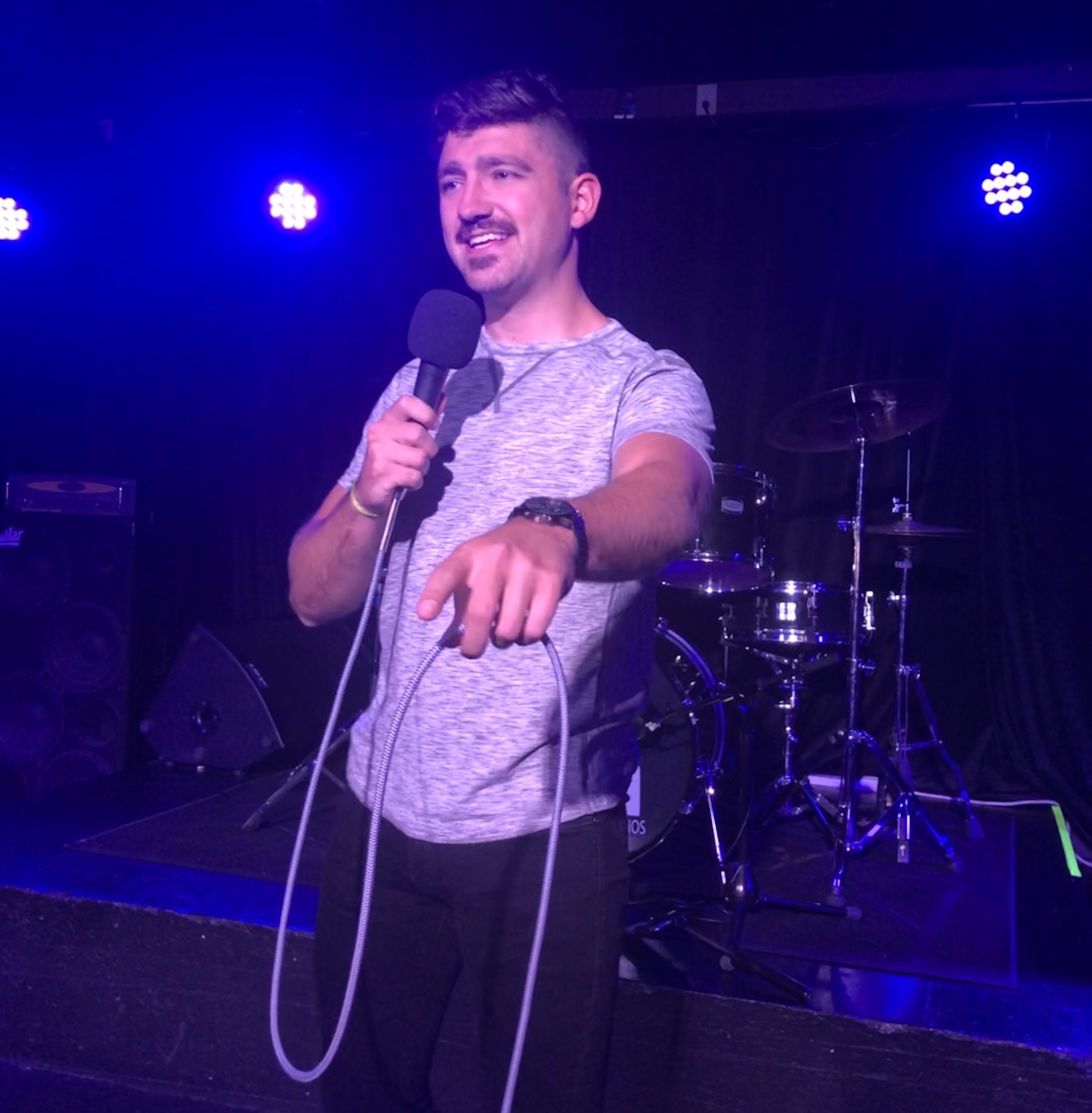
Who Is Wayne Veldsman?
Wayne Veldsman, owner of Vel.Consulting and Journey To Legacy, began his career by building several digital businesses out of his college dorm room....
Wayne is an accomplished business growth strategist, success coach, and entrepreneur. He specializes in helping entrepreneurial minded individuals to grow both their mindsets and their income.
After starting his first business in 2014, Wayne successfully launched and scaled a digital marketing agency to a 7-figure valuation before deciding to exit in 2019 to move to Denver, Colorado and start chasing his passion of coaching and public speaking.
Wayne actively works with entrepreneurs and businesses who are looking to take massive action and create drastic changes in their lives.
Not Sure How To Make The Drastic Change Necessary To Live The Life Of Freedom That Comes With Being A Lifestyle Entrepreneur?
Discover the stupid simple method to growing businesses digitally on autopilot, so that you can get back to your life.
Our students and clients aren't just satisfied, they're building life-changing businesses, doing what they want when they want, and living their lives chasing passion, not just profits.
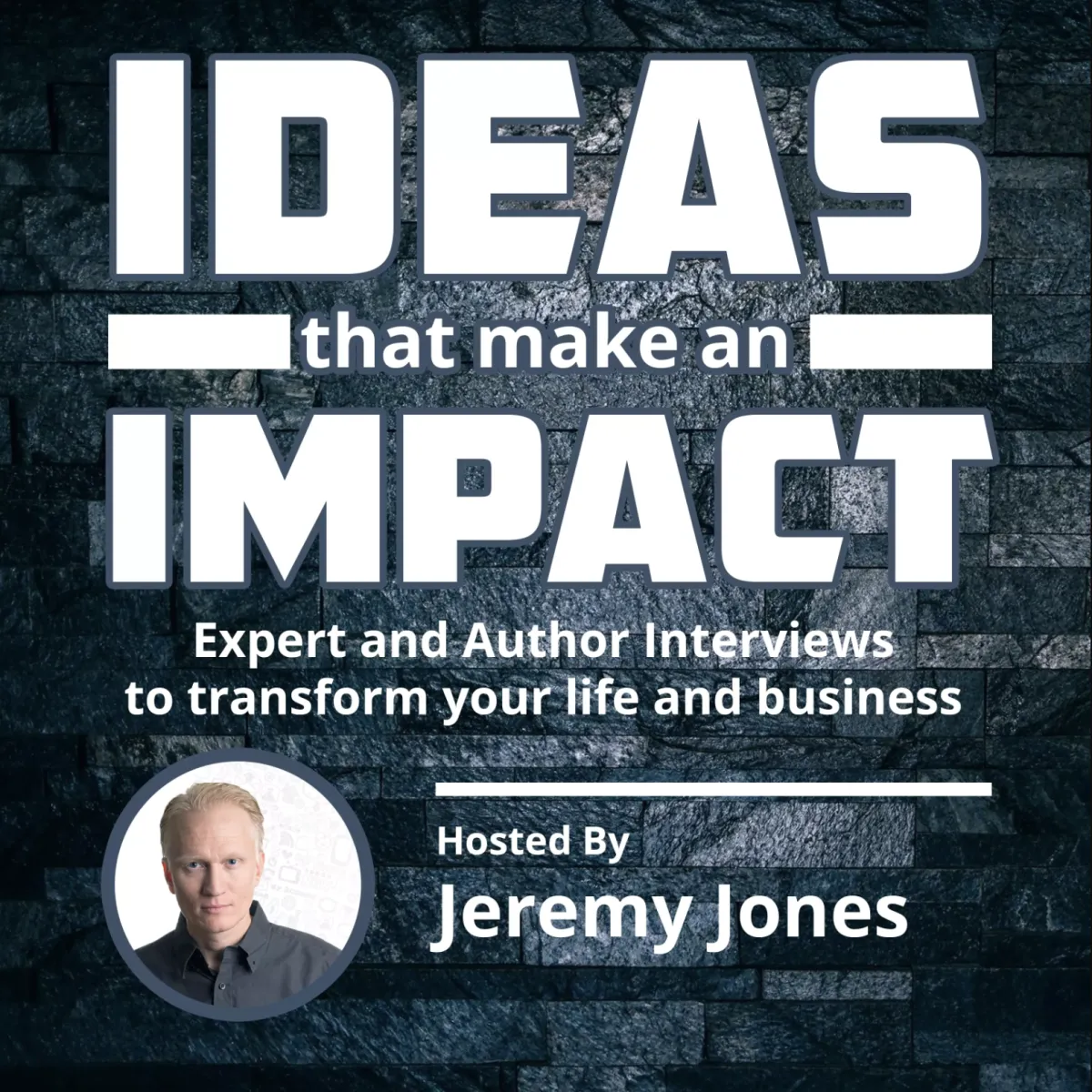
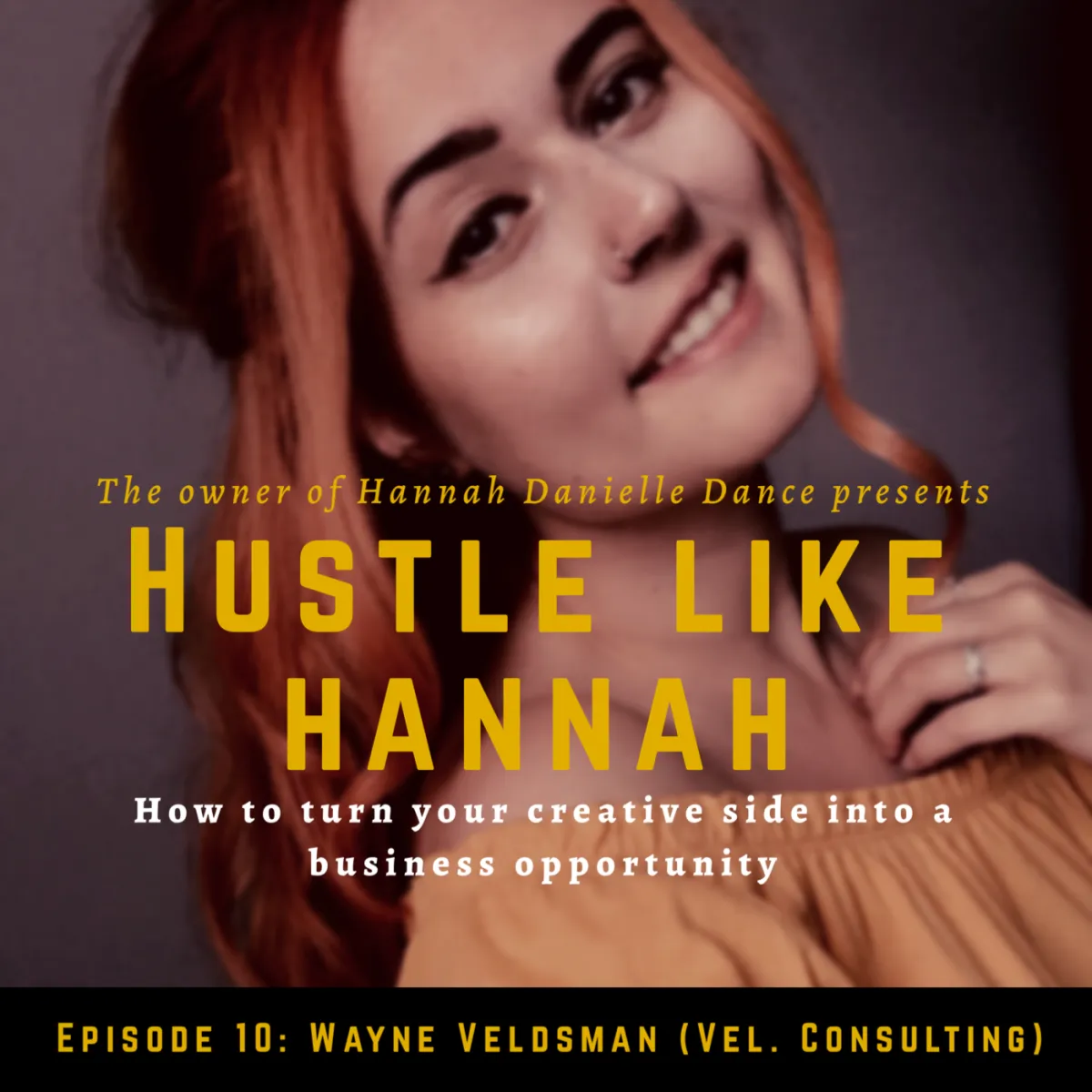
Media Spotlights...








The 3-Step Strategy To Growing Businesses Digitally
Are you an Agency Owner, Service Provider, or Entrepreneur who sells online and want your pipeline filled with 300+ appointments with your idea client every single month? Are your SERIOUS about growing your business and want to work with Wayne 1-on-1?
Launch Into Digital Entrepreneurship is a course and coaching program specifically designed to take agency owners and online service providers from manual prospecting and wondering if this is ever going to work out, to having a very specific system in place which is going to allow you to generate 20 to 30 booked appointments every single day!
You're going to get a step by step process to building out your prospecting, sales and fulfilment system, and building your sales team so that you can close clients while stepping away from your sales process.

Price - $1,997 $97 (Limited Time Offer!)
Every time we generate you a new lead interested in your marketing services, your dashboard will automatically add the new lead into your CRM, and send the new lead an SMS, email, and even automatically call you to connect you right away!

Become More Focused, Be More Productive, Burn Out Less
Price - FREE training
From The Desk Of Wayne Veldsman (blogs)
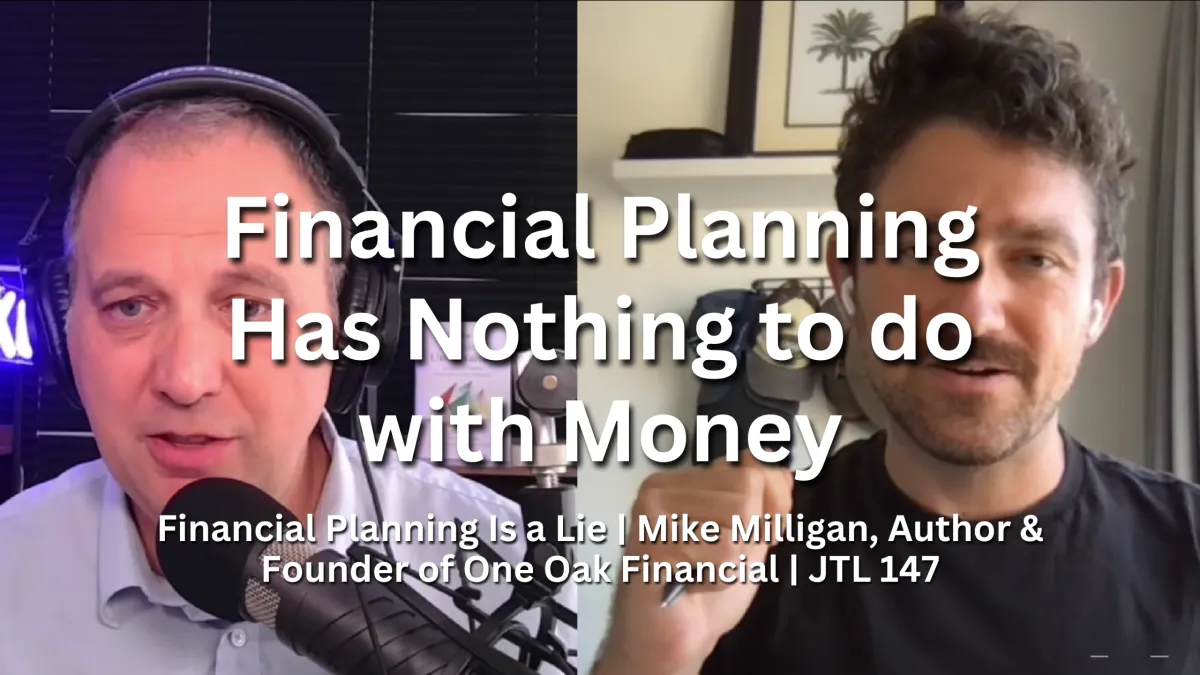
Educated People Are Harder to Fool. Here's How to Become One.
Want to hear the full conversation? Listen to the Journey To Legacy podcast Episode 147 with Mike Miligan for even more insights and stories from his remarkable entrepreneurial journey.
Educated People Are Harder to Fool. Here's How to Become One.
When most people hear "financial planning," they picture spreadsheets and retirement accounts. But what if the entire premise was wrong? What if financial planning was never really about money at all?
That's the philosophy driving Mike Milligan - author, podcast host, and founder of One Oak Financial - and after spending time with his story, it's hard to argue with him.
The Knowledge Gap Nobody Talks About
Mike's central belief is simple: most people are losing before they even start because they don't understand the game being played around them. Financial products have grown increasingly complex, but financial education has not kept pace. Ordinary people walk into meetings with advisors completely unprepared, and they get sold products instead of advised toward solutions.
His fix is education first, always. Not because you need to become a financial expert, but because knowing enough allows you to ask better questions and ultimately negotiate for the life you actually want.
As Mike puts it: an educated person can negotiate better. And a person who can negotiate better can advocate with clarity for the life they truly want.
The Woman Behind the Philosophy
You cannot understand Mike Milligan without understanding his grandmother, Elizabeth Calder. When Mike was 11, his grandfather was injured on the job and later diagnosed with stage four cancer. With no income and no pension, his grandmother did the only thing she knew how to do - she cooked.
She started selling collard green sandwiches at construction sites and convenience stores. Then came the 14-layer chocolate cakes. An 11-year-old Mike went with her, learning to count money, track sales, and watch what a business built from love and necessity could do for a family. She hid large bills wrapped in tin foil, labelled "liver," in the freezer, because nobody steals the liver.
Mike says she is still his business coach today. Every tough decision he makes, he asks himself: what would Granny have done?
The Brother Who Made It Personal
In July 2022, Mike received a phone call that changed everything. His younger brother Jonathan had been killed in a head-on car collision. He was 41 years old.
Jonathan was not drawn to spreadsheets or strategy - he was drawn to people. As a propane delivery driver, he built deep relationships throughout his community, known for his generosity, his faith, and his warmth. At his funeral, the church was filled equally with people of every background. Five hundred T-shirts printed with his photo and the words "Ask me about him" are still seen around the community today.
Standing over his brother's casket, Mike made a promise - to dedicate his work to helping people live a truly one of a kind life. Because the hourglass is already running. The question is what you choose to do before the last grain of sand falls through.
What a Real Financial Plan Actually Looks Like
One Oak Financial was built in direct response to everything Mike saw inside major Wall Street firms: profit over people, and individual stories reduced to account numbers. His approach is the opposite - every engagement begins with your story, your resources, and then their ideas.
A real financial plan, Mike argues, should fit on one folded piece of paper and answer three questions: why is money important to you, what is your vision for the life that money will fund, and what are you doing to get there?
Financial planning is not something you do when retirement approaches. It is something that creates freedom at every stage of life.
That is the one of a kind life. And it is never too early - or too late - to start building it.
Want to hear the full conversation? Listen to the episode on Journey to Legacy and connect directly with Mike Milligan to start your own one of a kind financial journey.
TRANSCRIPT:
WAYNE:
Here's a crazy thought. What if financial planning was never really about money? What if it was actually about freedom, about family, and about making the most out of the time you've been given? Welcome back to Journey to Legacy. I'm your host, Wayne VeldSman. In today's episode, I sit down with Mike Milligan.
He's an author, podcast host, founder of One Oak Financial, and a man with a powerful story behind the work he does. In this conversation, Mike shares how helping his grandmother. Sell collared sandwiches as a child shaped his love for business and money, how losing his brother, Jonathan changed the way he sees time and purpose and why he believes real financial planning should help people live a truly one of a kind life.
This episode is about much more than finances. It's about identity, legacy, family, and learning not to miss the moments that matter. The most. I hope you all enjoy.
WAYNE:
Mike, thanks for being here. Why don't you just kick us off for people that aren't familiar with you. Tell a little bit about what you're specifically working on today.
MIKE:
So, um, you know, today I'm a author. I host a podcast called I Is by Mike. I'm a radio show host, but also I'm the chairman of a. Large financial services company based in the United States. Um, but my wife and I live in San Juan, Puerto Rico. So, uh, you know, I'm always working on, I'm always thinking or working a couple years ahead of where my companies are working because I'm thinking about the next project, the next, the next, um, the, the, the next book, the next.
Podcast guest the next radio show. Um, but I'm, I, um, I, I work in financial planning, financial services, but the best, the best financial services companies in America right now are really media companies. They're really, they're really trying to attract the, the next, the next level of client who are drawn to their, having their story play out with a, with a company who can help them live a one of a kind life.
WAYNE:
It's crazy, you know, as far as being a media company, you are pretty great about putting content out there and like all the different channels and so everybody go pay attention. And Mike, are you focusing mostly on like education first?
MIKE:
We have a, um, we have a, we have a knowledge gap in the United States financial system, and really it's a, it's a knowledge gap really around the world. Um, companies have moved, uh, much faster than individuals have in building products that are complex solutions that are, uh, under explained, um, and individuals.
You know, they, they, they specialize in a profession. You know, marketers know everything about marketing, healthcare workers know everything about healthcare, manufacturing. People know how to put great products together, but at the end of, we work for money and we work for freedom, those are the two things that we ultimately are putting money aside for, but we don't know if we're putting money aside in the right vehicles.
And have the right financial plan to ultimately get that freedom. See, the one of a kind financial plan, a book that I wrote is really about living a one of a kind life. One of a kind just means freedom. It's uniqueness, it's the ability to do things on your terms, not terms of somebody who controls your time.
And so, uh, we do start with education first because. I followed, uh, I don't know if you've ever heard of Chris False, but Chris Fo is a, um, he, he's a former FBI negotiator, wrote a book called Never Split the Difference, and he always, he talks about how to negotiate. But when I, when I first read the book and then I met him, and then I got to hang out with him a little bit, what I really realized is that his tools for negotiation should be taught in about every aspect of our life.
Like somebody wants to buy a house and you don't know the terms. Of how to buy a house. You don't know what escrow is. You don't know what principle and interest, you don't know what amortization is. Well, you're at a negotiating disadvantage. You're, you're trying to save for retirement and you don't understand what a stock or a bond or a mutual fund or an exchange traded fund, or gosh, Bitcoin, you don't know what that is.
You're at a disadvantage. So education is at the heart of everything I do because an educated person can negotiate better. And then can advocate for the life, um, with, with, with clarity that they really want.
WAYNE:
Educated person can negotiate better The, well you just said, the advocate with clarity. Now I've always thought about in the sense that I'm going to hire experts right to do things for me, but it's my job and responsibility to be able to educated. Ask why to almost challenge them. Like what made you think about that?
Like what made you come up with that decision? that's sort of the, you know, no, just enough to be dangerous and then give It to an expert to actually follow through on.
MIKE:
It is, we cannot be an expert at everything, but if we, if we know enough about. Uh, where we are placing our trust, the people we're placing our trust in the expert, if we know enough to be able to really push them a little bit, you'll be able to see pretty soon. Are they doing it for the compensation, the money, or are they doing it because they are really passionate about who they are?
One of the things that, and we're speaking strictly about money right here, one of the things I'm. I find interesting about dealing with experts in life is we don't question them enough. Like how many times have people gone in for a surgery and they don't know what that surgeon's, um, medical school or training is?
How often have we walked into a bank and don't know where that, you know, what the bankers. Personal finances are like, I I, if I, if I was dealing with somebody's, if somebody asked me, Mike, what is your net worth? That's, that's, that's a legitimate question. Uh, what does that net worth consist of? And I would give it, I would, I would ask that person, especially if that person is trying to manage my net worth.
I would say, Hey, before we go any further, can you tell me about your net worth? Not your philosophies. Tell me like, have you been able to put the philosophies you're putting for me to work for yourself? Or is that person in a lot of debt? Are they living paycheck to paycheck? Do they not have a retirement account for themselves, and are they just trying to, are they just trying to impress me with a great car and a great house, yet they have nothing put aside for their future so that the challenge part of you want to be educated, people will negotiate, but education people also will have the confidence.
To ask the questions in a mirror situation to what people are asking them to learn, if that's the right, the, the right person to work with.
When you, when you say in a mirror situation, tell us a little bit deeper. Like, what do you mean by that?
So, um, salespeople have been trained. And this is part of like the education that we do. Um, when I'm educating people, I don't only educate folks. Um, I, I have three missions in life, educate, coach, and plan. But when I'm educating people, I, um. I'm telling them not only the definitions or the tools that they need or the concepts they need to understand, you know, in dealing with their finances.
But I'm also gonna tell them the techniques that salespeople use to be able to, uh, to sell them so that you can, you can realize are you being sold or are you being advised? 'cause there's two different, 2D two different things there. Products are sold, uh, solutions are advised. There's two different things.
Products are sold, solutions are advised. So mirroring is a technique that people will use in when the selling process, they will, um, you'll say something and then they'll repeat like a word or two back to you. To be able to keep you talking. So, so, and then they'll, and they're repeating words back to you that ultimately get to their product.
So something you said, so like, if we're having a conversation and, you know, you say something like, you know, I'm really hoping that my future is guaranteed, I have access to my money and, um, you know, I, I want to leave a big legacy to my family. And that person may mirror and say, guaranteed, talk to me about that.
Right. They picked up one of the three things. Guarantee. Talk to me about that. And then they'll, they'll keep pushing them to maybe a product that's guaranteed. Right. So mirroring is a, is a technique used in selling. It's used in communication side, but I think people really should be educated on like, 'cause salespeople are really, really good now.
I mean, they're really good. They've learned the art of communication. They're now, we're, now we're talking about in sales, like neuroscience. How do you get people to like, you know, actually respond based off of like psychological and deep rooted beliefs? Uh, you know, neuroscience used to just be reserved for like the people in universities now, the guy who has a community college degree and has bought a, you know, a, a a 10 hour course, knows more about neuroscience than people in the 19 hundreds did.
So it's interesting like how mirroring and some of the other techniques where you can be sold and that's where like the general population just needs to be educated about, about that.
WAYNE:
Nice Mike. You know, so as far as mirroring is concerned, just a touch on it, right? So this is a technique that.Chris Voss.
And so when it, when it comes to sales, is how you're saying it specifically, it sounds like it can be used as a negative, Right.
And you are specifically trying to educate people around how do you know if an individual is just in it for profit, just in it for money, versus they actually care about you.
And so I wanna dive deeper. How can we know the difference? Because when it comes to mirroring. I can guarantee that, Mike, you mirror people,
Oh.
a way that's caring, that you want to know more to be able to help them better. so how can we tell the difference? How do we know who's actually in it for our own benefit versus just profit
MIKE:
So in the one of a kind financial book, I actually wrote a, uh, chapter that has, uh, gotten a lot of, uh, pushback from the industry because I actually laid out what a, what a real fiduciary is. I also lay out like the different levels of professionals in how they get compensated. So I basically just pulled the curtain back.
On the industry. And when, what? The interesting thing is that like if you, if you read that cha, if you read the book and you read that chapter specifically, it gives you the ability to, uh, ask a financial professional. Exactly. You know, uh, tell me which of these. Five professionals de designations you have.
And then I, I know that that professional designation gets paid this way. And so when you ask questions like that, um, it, it gets, you'll, you'll be shocked at like how a salesperson or an advisor or a financial pro would start the conversation turns. Back and forth in the, in a mirroring situation, right?
Uh, because you've now, by understanding, by being educated, you've now taken control. You, you're, um, if, if the, if the sales professional or the financial, um, financial professional, certified financial planners up here in education and you're down here, all of a sudden by just having that little bit of knowledge, you've come closer to them, you're on equal footing.
And then when you come on equal footing, like some of the walls get broken. And then you can, you could start seeing like the small iterations of conversations. So mirroring is typically done not in full sentences or complete sentences. It's done with phrases. And so when you walk in clear on how people are licensed and compensated, and you, and you push on that a little bit, and then you, you're, you're there to listen as much as share information, you could start seeing these short phrases.
And you can, um, and at the end, if you just take notes of those. So like I, I encourage spouses, husband and wives to go in and do financial meetings together. And one of those, one of those individuals be the primary talker and the other one be the primary observer. Um, because if you think about that, then, then the talker is not always going to hear everything that the observer heard.
And then that's a, that's an amazing debrief that comes outta that because, uh, you know, short of, um, short of like who you choose as your spouse in life, um, uh, you know, where you educate your kids. Where you, you know, who you trust if you're a religious person to go to church, your financial advisor is, has a big role to play in the future success of who you are.
Yeah.
So, um, educating and, uh, making sure people understand, uh, where that, uh, where that person is coming from. How, what techniques they use, what, what tools at the end products. Are they given products or are they given solutions? Makes a, makes a huge difference in what ultimately can be your legacy.
WAYNE:
Beautiful. Nice. So it sounds to me like to help figure out if the person you're speaking to is in it for profit for themselves, versus do they actually care about your longevity? A few things that we can all do is, one, educate yourself more. Put yourself on a closer level. To this expert that you're speaking to so you can ask better questions. You said be there to listen as much as you're there to actually share information so that you can pick up on these cues of, well, are they leading me down a path just towards a product or are they advising me towards a solution? And then the last tip I think is great. Take a partner with and know that you are gonna be there to mostly talk and share, so you know, have a counterpart to be able to observe and listen for you.
MIKE:
Right. And you know, if you're single, for instance, right? And you, uh, you don't have somebody to go sit in with you, there's, there's tools now that you can use. You can literally take, uh, your cell phone in and have an app like granola running in the background. That records the conversation and it'll summarize it for you.
Uh, I, I am, um, AI is, is transforming who we are. It's transforming industries, and it's even transforming the financial industry. Um, uh, AI is not ready to give financial plans to people. I, I want people to know we're sitting here in 2026 if your, if your financial planner is ai. You, you are, you have a one size fits all plan.
It's, uh, AI gives the most probable outcomes from the iterations. And you probably don't know the exact prompts to give it, to create a customized plan yet. So that's where like, uh, financial professional who has a lot of background can help you with that, right? You a financial advisor and AI could build a plan together.
But, uh, and it's going to be how we operate in the future. I, I'm not, I'm not a bl I mean, I've been doing this for 30 years academically and professionally, and I'm not, I'm not, uh, saying that AI is going to replace us. But I'm also not saying that we are better than ai. What I'm saying is we're gonna be working together.
Tools, like if you don't have a partner, tools, like it's going to be great to be able to hear maybe. But then, um, use AI in conjunction with financial professionals, financial educators to be able to, to come together and build a plan. Ultimately, what it'll do is just like it's doing for major corporations of the world, AI will help you reduce expenses and reduce cost.
And then, uh, if you can reduce expenses and cost, that means there's more for you at the end of it.
WAYNE:
Yeah, that's great. Yeah, we shouldn't be afraid of the new technologies that are, are coming, but also don't, do not be blindly trusting them. Especially how you say it's gonna offer you a one size fits all answer if, because if you don't know how to prompt it, but a expert financial planner like yourself will, Mike, a question that came to my mind I think could be super helpful. You mentioned an interesting. call it a fact that the people you're trusting the most in your life, right, whether it.
be your, your spouse, a religious leader, right? financial planner is one of the people that you are trusting with some of the most important things of your entire life. are a couple questions that you could ask to almost verify this a financial planner that has my best interest at heart?
MIKE:
Well, obviously some of the credentials that people have, like Certified financial planner, accredited investment fiduciary, making sure that they're properly licensed with the Securities and Exchange Commission or the regulatory agencies of the country you're in, uh, looking, um, looking and doing some social proof.
Right. Do they have, do they have Google reviews? Do they have, are they open for business? So like for instance, uh, LinkedIn is for prof, for professionals. If you go on LinkedIn and you don't see that they've posted anything of relevant content for two years, are they really open for business? Um, so there's a, there's a, there, there's some telltale signs on if the person's right for you.
I, a couple other things I would tell, I mentioned earlier, like asking them about their financial situation. They, you, they should, they should 100% be able, if you're gonna create a confidential relationship with each other where they know everything about you, why would you not know something about them?
Maybe they're not gonna tell you. Um. May, maybe they're not gonna tell you to the penny everything they're gonna make, but if you, if you have accumulated a couple million dollars in your life and you make two or $300,000 of income, do you really wanna be working with somebody who makes $40,000 a year that you're, you're in different levels.
Um, so you have to, you have to make sure that whoever you're working with is somewhere on the same level you are. One of the other things I always say is make sure that their time horizon in the industry is your time horizon also. Or that they have a clear succession plan. So why, if you're, if you're 40 years old and you wanna retire, I understand the wisdom that can come from a 70-year-old advisor, but would you want that 70-year-old advisor there?
Because he's not gonna be in the business when you retire in 20 years or 25 years. So, match up, match up the time horizon. And, um, and then, and then the, one of the biggest things is, um, is gut is a dangerous thing. Your gut is a dangerous thing, but if it doesn't feel right, it probably is not right either.
And it's, it, it's really for two reasons. Like it's, it's just not the right solution. Or number two, it hasn't been explained fully. In a simple way with clarity that you can understand. So if you trust, if you've, if you've built trust with a person and your gut is saying it's not right, it's probably the second, the latter.
They haven't explained it well enough. They've talked over your head and they haven't brought you up to their level for clarity, and you need to push back and say, I need more clarity. But if you have it, if you don't trust the person and your gut is telling you no, there's plenty of professionals out there.
It's just, you've gotta find the one that's right for you.
WAYNE:
Mike, these are, these are great, right? Ask about credentials, look towards that social proof, right What is their financial situation? And then this, this tip of make sure they're on the same sort of level you are, the time horizon as you are, that they're in the game pretty much for as long as you're going to be.
So they can understand like. How long your projections are gonna be, and they're gonna be around once you go to retire. I think it's is, is really, really great. I, I wanna take us back a little bit, right? So our show focuses on telling the stories about entrepreneurs and so you have a, a long career of amazing history in the financial planning industry, it started with a pretty unique story. And so take us back all the way to your childhood. Pretty much your first experience in entrepreneurship, and dare I say, what shaped your entire future to where you are today?
MIKE:
Oh, 100% shaped where I am today. I, um, when I was, uh, when I was growing up in a small town in North Carolina, um. My, uh, I, I got to spend a lot of time with my, with my paw and Granny. So Walter and Elizabeth Coulter were my, um, were my, were my grandparents, and uh, my mom is, uh, my mom is a jewel, right? She is absolutely amazing.
But she got pregnant with me when she was in high school. And so, uh, my mother did an amazing job raising me, but it did take a village to raise me. My granny and my granny and pa were part of that. They were constants in my life. They would take me to and from school. I would spend a lot of time with them during the week.
While my mom was working, right, trying to build a life for us. Um, and, you know, uh, there were many times in my life, uh, that I remember being after school. And my granny, who loved to cook, loved to be a mother, loved to be a grandmother, loved to be a wife, would make homemade potato chips for us when I was 6, 7, 8, 9 years old after school.
So as opposed to giving us Lay's potato chips, she would take a potato and just slice 'em up. Give us some ketchup and we'd dip him. It was beautiful. But then around, uh, 11 years old, my, um, we got, we got some pretty poor news, uh, from a health standpoint for Pa uh, who was this stalwart of our family. He had built a construction business, but he got injured on the job and could no longer work.
And, uh, he was the only breadwinner of the family. Um. And because they were also products of the Great Depression. They didn't live during the Great Depression, but they were close enough to it to know how much they didn't trust the system. They had worked for cash most of their life. So not a lot of money paid into the Social security system.
No. 401k, right? A little bit of money in the bank, but mostly a cash life. Well, when he got hurt, um. They didn't have money coming in. And so my grandmother out of desperation had to innovate. She, she could cook there, I mean an amazing cook. Um, she took simple ingredients and turned them into something that people, uh, really, really wanted.
Um, and so she started making collared sandwiches. So two pieces of cornbread, fried like buns, collards from the garden, stewed the right way. Seasons just right. Put together. Wrapped up. And she started going to construction sites where my paw worked. Um, convenience stores and festivals and selling these.
And she didn't have a sales team. She had me an 11-year-old, 11-year-old kid and said she would be like, she'd pick me up from school and she'd be like, let's go. And so we would go and, um. So we'd start selling 'em. $5 here would turn into $65. At the end of the day, it would turn into $110. And she had a third grade education, not, she was not college educated.
Didn't even get past. Elementary school. And so we'd come home and we'd count that money, we would take out the calculator. But then I, um, a couple weeks into it, I took out a spiral be notebook, and I started writing it down. And she said, what are you doing? And I said, well, I just gotta, we just gotta know how much we're putting aside because we were taking the money and putting them in empty Folgers coffee cans.
We were putting 'em up in the shelf. Well, fast forward just a little bit of time in that injury that my paw had turned into a diagnosis of stage four cancer everywhere. And so not only was my grandmother innovating, she then almost immediately after that lost the love of her life. Our, our, our, um. The, the man who was our rock, uh, no longer was there.
And so now not only was she responsible for earning the money, she was also responsible for paying the bills. And uh, I remember going out and selling in the afternoon after school, getting enough money, stopping at the post office to get a money order, and then going over to the phone company to pay a bill that was four months late.
And I remember doing that multiple times for multiple utilities, and she was working to survive. But what, what happened through that is the community rallied around her and, um, she's a, she was a widow. They loved my paw, they loved my grandmother, but man, they loved her collared sandwiches. And then she started making cakes too.
She started making 14 layer chocolate cakes. So now you had dinner and dessert. Or lunch and dessert and, uh, those cupboards of Folger coffee cans, um, those cupboards got full of money and, uh, she then started getting, instead of getting like $5 bills, she started getting $20 bills and $50 bills and a hundred dollars bills because people, instead of buying one would buy 20 or 50 and they would freeze 'em, and she would always take the $50 bills and a hundred dollars bills, and she would bundle 'em together and she would wrap 'em in tin foil.
And she would write on them. Liver. Liver. And she would put 'em in the freezer because she said, if we ever got robbed, nobody is stealing the liver. I mean, there's so many, there's so much wisdom. And so I, this, this was my, this was my teenage years, right? Helping my, uh, out of desperation, entrepreneur, granny Elizabeth, go from, uh.
Uh, fair to convenience store to then people started coming up to her home to buy them. That was her. I, that was my first taste of entrepreneurism, and I loved it. I loved counting money. I loved accounting for money. I loved seeing the result that money could have in people's life. I loved seeing bills paid.
I loved, I loved the, uh, I loved seeing the interaction that my granny had with people. Who were, who were, uh, who were buying her product, we kind of said in the, in the, in the forefront, like she was the Louis Vuitton. Before Louis Vuitton was, you know, Louis Vuitton sells luxury. My, you know, my granny was selling just love.
She was selling, uh, she was selling a premium because those collared sandwiches were being sold for $5 at a time when you could buy a Big Mac for a dollar or two cheese back, or two, two cheeseburgers for $1, she was selling a premium product to people. She was selling it based off love and that, um, I, I have studied many of the great entrepreneurs and many of the great thought leaders and business leaders of their, of our time, Tony Robbins and Steve Jobs, and Jeff Bezos, and I could keep going.
Clark, Clark Howard. I can name the list of people I've studied their theories, but in my business, in my pursuits over the last, uh, over the last 30 years of building businesses, when I have to make a tough decision, I, I will lean on those people's thoughts because they're modern. But I also think, what would my granny have done?
And she is, she is still today, her legacy. She passed away in 2018. Uh, her legacy is still my business coach. I'm still pushing forward in life because she is, she's ever present with me. She is, um, she, she's my hero. And, uh, and I, I wanna make sure that not only. I remember her and my grandkids remember her, but my grandkids, grandkids remember her.
And so that's the, that's, uh, she, she is, she is, she is a lot to me. She means a lot. She's still present with me every day. She's still, she is the, uh, um, emeritus, uh, chairman of one Oak Financial. Right? Because her presence lives on, in what we're doing every day. This is her, my, my businesses are. Are her legacy.
WAYNE:
Mike, that's, it's unbelievable, right? Especially you say that. Uh, she had a, a third grade education, right, where like her, her husband, her love, right? Your granddaddy was the breadwinner. And so she never thought that she was going to need further education. But then just through a, a love and passion for cooking and this love for sharing it with others, she sort of started this, I'm gonna call it a side hustle that then had to turn into more.
Right. And like you were there to witness it and it made such an impact that you were counting the money. You, you started a ledger, you didn't know it was called a ledger. Right. She didn't know. She's like, why are you writing this down? And that's actually what steered you in the direction of loving money and bills and saving and planning and pushed you what, into this entire direction that you've spent, like you said, the last 30 years of your life building.
MIKE:
That's right and like it. Moved on there. I would never have been in this industry. I probably would have. Um, I, I loved playing baseball. I was not good enough to play, have a career outta baseball, but I love playing baseball. Um, I probably could have done construction or architecture or drafting, but, um, this is, uh, if Tom Brady was meant to be an NFL player, tiger Woods was meant to be a golfer.
Mike Milligan was meant to be. A financial planner. I, I am doing exactly who I want to. I, I, I tell, I tell our, our company One Oak Financial, we have a lot of advisors in our company, we're nationwide, that I want them to, uh, treat every client as if they're my granny. Or their granny, because that is the, uh, that's who we, that's who we build a company to serve, is we build a company to serve, to educate, first put people first, but we put 'em to serve people who, um, have had something happen in their life where they've either accumulated money or they, or they need help.
With, uh, with getting over obstacles, we built a company based off of, uh, helping people turn tragedy into like a one of a kind life, letting them see their unique qualities and unique values and ultimately getting to freedom.
WAYNE:
So this is where your. for finance. Right. And money started all. I'm curious what now makes you all different in the industry, because I know this is a topic that's really important to you. Right? So One Oak Financial is an abbreviation for one of a kind financial. So tell us a little bit more like what makes you all one of a kind and what does that, what does that even mean for your whole philosophy around financial planning?
MIKE:
So just a quick two minutes of my journey after college because that's, uh, that, that, that. That is what drives us today is I did work for major banks. I was, um, I was privy enough to be, I've, I've been to the New York Stock Exchange many times, be in the boardrooms of many Wall Street firms and in those boardrooms, in those banks and those insurance companies.
What I, what I heard in many long, drawn out meetings, that could have easily been an email. By the way, I heard these three themes come through profit over people. I saw people's stories get lost in a system and their identities be reduced to account numbers. And that is how, that is how major Wall Street companies, not, not the people that work for the companies, but the companies, that's how they think.
They think. How much profit are we gonna make? Uh, we don't really care about the stories. We care about the systems. To get more to more clients and they don't care about names, they care about numbers. They care about the numbers in the account, the balances, and they care about the numbers, their privacy protection and the, and there there are some good people that work.
As employees of financial companies, I'm not disputing that because there are some really talented people, but at the end of it, when they come into work every day, they're reporting to managers who are reporting to managers, who are reporting to uh, to A CEO, who's reporting to a board of directors who's reporting to shareholders that at the end of the day, profit is first.
That's their goal. So that's why I created One Oak Financial, because yes, we want to make profit. I have, I have the, I have the responsibility to help, uh, 21 families who are employed by One Oak Financial Live, a unique, one of a kind life. I have that responsibility, and that's why we have to be profitable, but we don't have to be profit profitable at the expense of your story.
Who you are as a person, we, those two truths can exist at the same time. You being unique and one of a kind and us being profitable, they're not mutually exclusive of each other. And so One Oak Financial was created with the catchy name, one of a kind to be able to build a financial plan for you. We start our process in our company, um, with your story, your resources, and then we put our ideas next to them.
And when we combine those three things together. The end result is a concise, simple to understand plan that will, that needs to be monitored. It needs to be reviewed. It will change because it's dynamic, 'cause life is dynamic. But it allows you the comfort to walk out of our office, walk out of our Zoom meetings.
With some, with less stress and anxiety so you can travel more, spend more time with grandkids, go make an impact by starting a nonprofit. Retire sooner because time, time has a, time, has a limit. We all have an hourglass that when we were born, it was turned over, right? And every, everybody had different sand in that hourglass.
And so our goal is to do as much as we can before that last sand drops through that hourglass. And so our, our philosophy at One Oak Financial is it's about you. It's people over profit people first. It's fiduciary always. It's about, we're always gonna do what's in your best interest, not ours. And then we're always gonna make sure that you understand your plan, even if it's, even if it's seems exhausting to us.
We're gonna meet you where you are. To be able to help you understand why you have what you have, and if you've had a financial advisor before, and we have the ability to clean up what they've done, we'll put you in a, in a solution that you understand and you can move forward with.
WAYNE:
This concept is great, right? People over profit. Um, your background of working in all of these major banks, right, of seeing this side of you are a W2 employee for a huge corporations that, as you say, it's a employee going to a manager, to another manager to another, to the CEO, to the board and to the shareholders. They're profit first, right? Because they have so many people to be accountable to. Whereas you started One Oak Financial, so you can specifically focus on the people, of course, right? The people that work for you. 21 plus individuals are a piece of the puzzle that have to be taken care of. But you will have the ability to put your individual clients and partners first. Uh, which is, which is really, really amazing. And the piece that I, I wanna touch on you for a second is that you mentioned that everybody's unique because everybody has a different amount of time in their hour glass of life, right? So you want to give them. A chance to make the most out of it. Now, we, I think we maybe touched on it briefly before our call, but your brother was also a huge inspiration in your life, and I think he steered a little bit of this ethos of making the most out of the time. Uh, tell us a little bit about who was your brother and, and sort of what happened.
MIKE:
Um, he, he was not, uh, just instrumental. I would, I will give him 100% credit. Right. For, for like where I give my grandmother, granny the credit for being my business coach, I give my brother the credit for being my inspiration. Um, Jonathan, uh, in Jonathan was five years younger than me. Um, we, so we grew up together.
You know, we would ride bikes together. We would, uh, he was, he was. There, there couldn't have been two brothers who were different than each other. Like, I mean, just, I mean, I, when I was in at the dining room table helping my granny count money and helping her go out on sales calls, he was hanging out, right, uh, running the neighborhood on a bicycle, right?
Hanging out at the fire department. He wanted to be at the volunteer fire department. He would hang out at the local convenience store. He would go pick up bottles and write when you can go recycle 'em for 5 cents. He, um. He, uh, he stopped his education a little bit of community college education. But he was a hands-on individual, and so he graduated from high school and he immediately went into the workforce, multiple jobs.
He act, he eventually fulfilled a childhood dream where he became a paid fireman. He did that for a couple years. He got bored and got out of it. He, he then, he ended up in a job though, where he was, he took propane, um, from house to house to house to fill up these above ground tanks. So he was a driver that filled up propane tanks, and it took, uh, it took 27 minutes.
He knew the exact time it took 27 minutes to fill up a tank if it was empty. Um, but, and he was primarily doing it in neighborhoods where he, uh, he was a connector. He was a talker, social, social butterfly in a, in a, in a blue collar job. But he wanted to connect with people and he knew that he wasn't. So, um.
He, uh, was as white as I am, but he, but he, he grew hair. He could grow hair out, and so he grew his hair out over multiple years and he turned them into dreadlocks. So here he is pulling propane dreadlocks with bandanas on going into these neighborhoods, and all of a sudden people started interacting with him like they would come out and they, he was known well, um.
The community for his generous nature, his kind words, uh, helping people out, bringing people things that they needed just beyond propane tank. Well, um, that was really the last four years of his life. And, um, in 2000 and 2022 July, uh, my wife and I are sitting on a beach on a Friday afternoon. We had stopped at Chipotle.
To get some lunch. We were just gonna spend the afternoon there to relax from a hard week. And I get a phone call and it's my, it's my mom's number, my stepdad is on the line. And he just said, um, he just said, your brother died in a car wreck today. And I was devastated. I mean, I was just, he had, he had turned the coron in his life.
He had found his true call and his passion, his meaning for what he was and or what he was. Who he was going to be. He and his wife Melissa, had, uh, through tough Times, created this beautiful marriage. They had two, they they have two kids still. They have Gabe and Bella, who were, Gabe was, uh, a year away from graduating high school when this happened.
Bella was in middle school. Uh, Gabe is a spitting image of my brother. I cannot look at my nephew without thinking about my brother. He just, they're, they look identical. But, um, I, so I get this call on a Friday afternoon, and there we are in a church on a Monday, um, Monday afternoon. And, um, I walk in and, um.
They, they gave me an opportunity to go in and say my final goodbyes and the whole church by myself and the caskets open, and I'm sitting there and I'm looking at my brother just dreadlocks in full, full. They did such a great job of bringing him to life. His dreadlocks are just there, and he's got this cheeky smile on his face like he always had you.
You could, I would've thought that he was just sleeping, but I look at him and I just said, man, you are. You are one of a kind. And I'll never forget that moment in my life. And he, he, his hourglass had just, it just ended and it ended on a highway in a head-on collision. That was not his fault. I mean, I like to think that he saw this car coming and realized that there were other people behind him that maybe.
Would it have had, um, maybe would've had a different outcome? I like to think that he saw it and thought that, man, there's a mom and a four kids and a van behind me and I'm just going to save them. Right? I like to think that's what he did and. Uh, because that's who he was. He was one of a kind. And when I, when I dedicated the book to him, I really dedicated my life to helping other people realize that that hourglass is going to run out.
And if you don't, if you don't get busy living the unique life you're called and everybody's not called to grow dreadlocks, and do, you know, pull propane people are called to. Some people are called to invest and be mentors and, um, some people are called to be teachers in schools. Some people are called to be doctors and lawyers.
Some people are called to be marketing folks, right? To help other people achieve their dreams of financial freedom through selling the products that they have. People are called to different things, but this unique life, uh, is one that he lived. Um, and he's still alive today. He's alive in my sister-in-law, Melissa, my niece, and my nephew at his church service.
We, uh. There was a slogan that came front and center in, um, in that memorial service. Um, and it was a beautiful thing, right? Because I paint this picture of this white guy growing dreadlocks, but one of the things that my brother served is he served a mainly African American community. And in the small southern town where we grew up, um, uh, blacks and whites still didn't congregate together.
Uh, even though it's, you know, it's 50 years past the civil rights movement, it's not that there were some friendships, but it wasn't commonplace. But then we look out at the funeral that, uh, that Monday afternoon and that church was, uh, was equal no color. Just beauty. Beauty, right? People that loved my brother.
And, uh, he built this, he built a community. And so the saying at the funeral was ask me about him with a holographic picture of like my brother with his dreadlocks, no color, not white, not black. Just a holographic picture of just looking at him and that, um. There were, uh, we produced 500 shirts and gave them out around the community.
And you could, you still cannot to this day, walk around the community and not see somebody wearing that T-shirt. And I, and I did, we did the t-shirts as a, um, to be so that if my niece and nephew were ever out and about at Taco Bell or Chick-fil-A and they saw that shirt, they saw the impact that my brother had.
But we also did it because my brother was deeply religious. And he, uh, that thing that he wanted to share was what he believed was his calling in life was to talk about religion. And so this asked me about him still lives on, and my niece and my nephew and in that community. And it's vibrant and it's growing, but he was one of a kind, he was called, not.
To pull petroleum to go house to house. It was the tool that he used to do that. He was called to share a message and his message it, it may not be your message, it may not be my message, but it was his message. It was his calling. He was one of a kind and I promised looking over that casket that day that I was going to inspire others just like he inspired me.
That's why I wrote the book, the one of a kind financial plan I, I did it to expose. The, you know, the setup that we have in this industry, the financial industry, but I did it to realize that through education, through, but through working with ethical people, you can move past that, the things that don't matter and move on to things that do matter.
WAYNE:
Beautiful Mike. Um, yeah, Jonathan's clearly a, I mean, I can feel the amount of inspiration he had on you, the amount of impact that he had on hundreds and hundreds of people. Uh. How interesting that we can find our callings and make such a big impact through unexpected paths, right? That you say like, sure, he was delivering propane door, door to door, right.
MIKE:
Filling up these tanks. But it was who he was. It was that he was out in the community like spreading love and joy and hope and, and religion. And this was what made him one of a kind and gave him such a big impact on so many people. Um,
Wayne, I have since I've written that book. Since I've written that book, I've gotten so many stories back from people. 'cause the book has, has been an Amazon bestselling book. And it's interesting, like it's almost a five star rated book almost. I have a couple fours and I have a, I have a three star from Theresa that if you read her review you would think that she just mistepped and she really thought it was a five.
But I've heard from other people, um, who have, um. Who have, I've got a, a person that I'm writing about in my next book. I'm writing another book now called Retirement QE that's gonna be released this year. I'm writing about a story in there about a, a, a former attorney named Sarah. Who retired at 62, she heard about, she read the one of a kind financial plan.
She reached out to us. I've met with her. She's since, uh, we've since done a lot of communicating back and forth together, but she started a, uh, a mentoring program for young females in the Baltimore, Maryland area because she said, you know, I have 20 or 30 more years to give. And what she's discovered is that, uh, high school teenage girls right now are lost.
And she has something to give them. I've heard about, uh, I heard a, a grandmother who reached out to me who read the book and said it inspired her to, uh, to volunteer to watch her grandkids. She said, I loved my grandkids, but I never thought about the financial impact I could have on my daughter and son-in-law by just volunteering to watch.
And she said it saves them now $2,500 a month. And she says, and the side part about that is, is she used to go play cards and do nothing during the day. Now she's active in the raising of her grandkids. And she said what inspired her was the story of my grandmother. She said she wants her grandkids to think about her the way I think about my granny.
And these stories just kind of continue there, right? Because people are drawn to inspiration. But really the inspiration, there's a Whitney Houston song, right, that came out in the eighties or nineties, right? That the hero lies in you. And it's like if you really listen to that song, you are your own inspiration.
You are unique. You just need somebody. People just need people to tell them that, and when they hear it. Boy, that is, that is the legacy. We're we, we, we've gone from, we've gone from living to living a legacy in real time. And that's the, and that's my journey, Wayne.
WAYNE:
Oh, that's so great ev. Everybody rewind back there just a a minute, two minutes there at the end. He said living a journey in real time. Mike, you know, we, we have known each other for very long, right? And so the concept for me around legacy really is that piece that the journey is today. Legacy is created today, right?
And we need to realize that it's not something that just takes effect once we're gone. Once we've passed away, it's very much active today. And so through. Your story, Mike, everybody's stories that I share through your granny, through Jonathan, everybody that's reaching out to you from this, the book, right, is showing that it's like the impact that we're making today is, uh, is really creating a really strong legacy.
Um, I, I greatly, greatly appreciate It One thing I'm, I'm curious to ask, and we have to start to wrap up, right, is, that when it when it comes to financial planning. And everybody's super unique, right? Like you're helping them to live a unique life, be their unique selves. Is this, is, financial planning only really for after retirement, like later on in life?
Or is this to help people even now today, make the most of their life, make the most outta their money?
MIKE:
It is, it is, um, for anybody. Uh, and I, when, I mean, when I say that it is for, uh, kids that are six and seven years old, it is for people in their twenties, thirties and forties, fifties. It's for people that are five to 10 years from retirement. It's for grannies and great grannies who are 85 and 90 years old because the interesting thing about money is.
A real financial plan will, uh, will do a lot, but it's one of two main things. It will either protect what you have or it'll grow it for some calls or purpose in the future. And a, a real financial plan, uh, does not have to be complex. It doesn't have to be 90 pages. It could be one page. It could, it, it, it's gotta answer the question, why is money important to you?
Then you have to build a vision for what that money is. And so that book that I'm writing, retirement q, is around building a vision. The vision, the vision statement should be around what community do you want to do you wanna be a part of? What is the focus on your health? And then what is your impact, community health and impact Q and uh, when you, when you answer the question, why is money important, you build a vision.
For what your life and retirement should be. Then the financial plan should literally be able to be written on one page that you can fold up. You can fold up in a, in a tri-fold, put it in your purse or your backpack, and you should be able to pull it out anytime when somebody says, what's your financial plan?
Boom, here it is. Money's important. I got a vision and here's what I'm doing to accomplish that. And then you could just take when that, when that vision changes a little bit because you age or your monetary thing changes, you just take the paper out. Money is money still has the same importance to you.
Right. Your vision shouldn't change all that much. It's just a matter of changing the implementation of it. But it, it is for everybody. It's, uh, and you could, you could start building wealth at any time. For entrepreneurs, especially the tax code is, is full of things you could do to get money to your young kids and your teenage kids and build wealth.
Um, so financial planning is for everybody. Uh, but it, but it starts, Wayne, just let me remind everybody. It starts with financial education. Because how do you really, how do you really plan without a, a ba, a basis to be able to, um, to negotiate and, uh, and then build the plan.
WAYNE:
It, definitely starts with education. thank you so much for sharing. Um, everybody make sure to go follow Mike also. Right? There's links down below wherever you're seeing this and what's exciting is that this book, retirement Chi, I'm super excited for this, right? To see as it's progressing community health impact, right?
MIKE:
if you want to get a glimpse of retirement, q, it's uh, I think it's chapter 10 of the one of a kind financial plan. Where it's leaked and you could start seeing a little bit of it, but we're gonna actually dive deeper in a whole book on how you build purpose with exercise and stories of other people who have done this.
But, uh, but the one of a kind financial plan talks about retirement chi in there also. Yeah.
WAYNE:
I thought I'd seen it in some of my research actually. So that's great. And then Mike, as we, as we wrap up, um. The theme of the show, of course, is legacy. And so I really like to ask every single one of my guests, what's Mike? What does legacy even mean? And then what is the legacy that you're hoping to leave on this world?
MIKE:
Uh, legacy is lived and it will be, uh, it's ultimately, you know, the famous philosopher Macklemore said that we have two deaths. We have, uh, the day we die, and the day our name is spoken for the last time on this earth. Uh, legacy to me, uh, and I've said some of this in this show, but like, it's to make sure that granny's name continues on for a hundred years.
See George Washington's name still living today, right? Abraham Lincoln. Why, why shouldn't, why shouldn't Elizabeth Calder? She, she, she had more of an impact on my life than George Washington or Abraham Lincoln did. So why shouldn't her legacy be so, and I, I, I want her legacy to live on. I want my brother.
I won't ask me about him to become a movement and, um, you know, it's out there. But I want people to, I want people to realize that in his 41 years, he made meaningful impact on people. And, um, and then I have, I have three kids. I have a daughter-in-law, I have a grandkid. Hopefully I'll be blessed with more.
I have a beautiful wife. We're living, we're living large in San Juan, Puerto Rico, and, um, I just want to live out every day of my life. Not, um, not in too far in the future because I never wanna miss a moment. I, I just wanna live, I want people to realize like when my last day, my last breath's going, I want people to be able to look at me and be like, you lived a one of a kind life.
And then I want people to be saying one of a kind or as long into the future as possible in the relation to financial planning and how they live. That's what I want my legacy to be.
WAYNE:
Thank you so much for sharing. Right. Such amazing impact is what it's boiling down to, right? Not just yourself, but for so many other people that have been in your life and um, and to come as well. Greatly appreciate your time today, my friend. Um, always, always like to ask at the end, right? Is there anything that maybe we didn't touch on that we should have?
Anything that you wanna leave people with before we go?
MIKE:
Guys, if you follow me as an author, just, uh, and you wanna know more about Walter and Elizabeth Calder, that's coming too. But, uh, if you wanna, I mean, obviously there's gonna be some links that you can connect with me, but I'm always open to conversations. People, I, I leave space in my calendar every week because if my legacy's gonna be to never miss in a moment, I wanna make sure that I'm not so busy that I can't con connect with people who are genuinely interested in contact.
You know, my schedule fills up, but I do leave space every week, four hours every week, that if people connect through LinkedIn or they reach out to our company and they just wanna talk, I'm always available to do that. And you never know where those conversations are gonna, uh, lead for us together. For your future and my future.
So I'm always open to converse with, uh, really unique people.
WAYNE:
Thank you again. It's greatly, greatly appreciated.
WAYNE:
And that's a wrap. Nice. What a powerful conversation with Mike Milligan. If you enjoyed the episode, as always, we ask you to please share it with a friend, family member, or a colleague of yours. So what stood out to me most is that this interview was never really just about finances. It was really about people, purpose and freedom.
My biggest takeaways for today were these. First education creates confidence, and the more we understand, the better we can protect our future and ask the right questions, right know enough to be dangerous. Second, the best kind of success is not profit over people, but building something that truly serves human beings and honors their story.
And third, legacy is being created. Right now through the way we live, the people we love and the moments we choose, not to miss Mike's story about his grandmother and his bro brother Jonathan. It was just such a powerful reminder that a one of a kind life, the oak, OAK in one Oak Financial, in case you didn't get that, that a one of a kind.
Life is not something you wait for one day. It's something you choose to live today. Thanks so much for listening to Journey two Legacy. If you enjoyed the episode, again, please share it with someone who needs this reminder from today to live with more purpose, more intention, and more heart. We'll see you right here next week.
The 3-Step Strategy To Growing Businesses Digitally
Are you an Agency Owner, Service Provider, or Entrepreneur who sells online and want your pipeline filled with 300+ appointments with your idea client every single month? Are your SERIOUS about growing your business and want to work with Wayne 1-on-1?
Launch Into Digital Entrepreneurship is a course and coaching program specifically designed to take agency owners and online service providers from manual prospecting and wondering if this is ever going to work out, to having a very specific system in place which is going to allow you to generate 20 to 30 booked appointments every single day!
You're going to get a step by step process to building out your prospecting, sales and fulfilment system, and building your sales team so that you can close clients while stepping away from your sales process.
Price - $1,997 $97 (Limited Time Offer!)
Every time we generate you a new lead interested in your marketing services, your dashboard will automatically add the new lead into your CRM, and send the new lead an SMS, email, and even automatically call you to connect you right away!
Become More Focused, Be More Productive, Burn Out Less
Price - FREE Training
From The Desk Of Wayne Veldsman (blogs)
Educated People Are Harder to Fool. Here's How to Become One.
Want to hear the full conversation? Listen to the Journey To Legacy podcast Episode 147 with Mike Miligan for even more insights and stories from his remarkable entrepreneurial journey.
Educated People Are Harder to Fool. Here's How to Become One.
When most people hear "financial planning," they picture spreadsheets and retirement accounts. But what if the entire premise was wrong? What if financial planning was never really about money at all?
That's the philosophy driving Mike Milligan - author, podcast host, and founder of One Oak Financial - and after spending time with his story, it's hard to argue with him.
The Knowledge Gap Nobody Talks About
Mike's central belief is simple: most people are losing before they even start because they don't understand the game being played around them. Financial products have grown increasingly complex, but financial education has not kept pace. Ordinary people walk into meetings with advisors completely unprepared, and they get sold products instead of advised toward solutions.
His fix is education first, always. Not because you need to become a financial expert, but because knowing enough allows you to ask better questions and ultimately negotiate for the life you actually want.
As Mike puts it: an educated person can negotiate better. And a person who can negotiate better can advocate with clarity for the life they truly want.
The Woman Behind the Philosophy
You cannot understand Mike Milligan without understanding his grandmother, Elizabeth Calder. When Mike was 11, his grandfather was injured on the job and later diagnosed with stage four cancer. With no income and no pension, his grandmother did the only thing she knew how to do - she cooked.
She started selling collard green sandwiches at construction sites and convenience stores. Then came the 14-layer chocolate cakes. An 11-year-old Mike went with her, learning to count money, track sales, and watch what a business built from love and necessity could do for a family. She hid large bills wrapped in tin foil, labelled "liver," in the freezer, because nobody steals the liver.
Mike says she is still his business coach today. Every tough decision he makes, he asks himself: what would Granny have done?
The Brother Who Made It Personal
In July 2022, Mike received a phone call that changed everything. His younger brother Jonathan had been killed in a head-on car collision. He was 41 years old.
Jonathan was not drawn to spreadsheets or strategy - he was drawn to people. As a propane delivery driver, he built deep relationships throughout his community, known for his generosity, his faith, and his warmth. At his funeral, the church was filled equally with people of every background. Five hundred T-shirts printed with his photo and the words "Ask me about him" are still seen around the community today.
Standing over his brother's casket, Mike made a promise - to dedicate his work to helping people live a truly one of a kind life. Because the hourglass is already running. The question is what you choose to do before the last grain of sand falls through.
What a Real Financial Plan Actually Looks Like
One Oak Financial was built in direct response to everything Mike saw inside major Wall Street firms: profit over people, and individual stories reduced to account numbers. His approach is the opposite - every engagement begins with your story, your resources, and then their ideas.
A real financial plan, Mike argues, should fit on one folded piece of paper and answer three questions: why is money important to you, what is your vision for the life that money will fund, and what are you doing to get there?
Financial planning is not something you do when retirement approaches. It is something that creates freedom at every stage of life.
That is the one of a kind life. And it is never too early - or too late - to start building it.
Want to hear the full conversation? Listen to the episode on Journey to Legacy and connect directly with Mike Milligan to start your own one of a kind financial journey.
TRANSCRIPT:
WAYNE:
Here's a crazy thought. What if financial planning was never really about money? What if it was actually about freedom, about family, and about making the most out of the time you've been given? Welcome back to Journey to Legacy. I'm your host, Wayne VeldSman. In today's episode, I sit down with Mike Milligan.
He's an author, podcast host, founder of One Oak Financial, and a man with a powerful story behind the work he does. In this conversation, Mike shares how helping his grandmother. Sell collared sandwiches as a child shaped his love for business and money, how losing his brother, Jonathan changed the way he sees time and purpose and why he believes real financial planning should help people live a truly one of a kind life.
This episode is about much more than finances. It's about identity, legacy, family, and learning not to miss the moments that matter. The most. I hope you all enjoy.
WAYNE:
Mike, thanks for being here. Why don't you just kick us off for people that aren't familiar with you. Tell a little bit about what you're specifically working on today.
MIKE:
So, um, you know, today I'm a author. I host a podcast called I Is by Mike. I'm a radio show host, but also I'm the chairman of a. Large financial services company based in the United States. Um, but my wife and I live in San Juan, Puerto Rico. So, uh, you know, I'm always working on, I'm always thinking or working a couple years ahead of where my companies are working because I'm thinking about the next project, the next, the next, um, the, the, the next book, the next.
Podcast guest the next radio show. Um, but I'm, I, um, I, I work in financial planning, financial services, but the best, the best financial services companies in America right now are really media companies. They're really, they're really trying to attract the, the next, the next level of client who are drawn to their, having their story play out with a, with a company who can help them live a one of a kind life.
WAYNE:
It's crazy, you know, as far as being a media company, you are pretty great about putting content out there and like all the different channels and so everybody go pay attention. And Mike, are you focusing mostly on like education first?
MIKE:
We have a, um, we have a, we have a knowledge gap in the United States financial system, and really it's a, it's a knowledge gap really around the world. Um, companies have moved, uh, much faster than individuals have in building products that are complex solutions that are, uh, under explained, um, and individuals.
You know, they, they, they specialize in a profession. You know, marketers know everything about marketing, healthcare workers know everything about healthcare, manufacturing. People know how to put great products together, but at the end of, we work for money and we work for freedom, those are the two things that we ultimately are putting money aside for, but we don't know if we're putting money aside in the right vehicles.
And have the right financial plan to ultimately get that freedom. See, the one of a kind financial plan, a book that I wrote is really about living a one of a kind life. One of a kind just means freedom. It's uniqueness, it's the ability to do things on your terms, not terms of somebody who controls your time.
And so, uh, we do start with education first because. I followed, uh, I don't know if you've ever heard of Chris False, but Chris Fo is a, um, he, he's a former FBI negotiator, wrote a book called Never Split the Difference, and he always, he talks about how to negotiate. But when I, when I first read the book and then I met him, and then I got to hang out with him a little bit, what I really realized is that his tools for negotiation should be taught in about every aspect of our life.
Like somebody wants to buy a house and you don't know the terms. Of how to buy a house. You don't know what escrow is. You don't know what principle and interest, you don't know what amortization is. Well, you're at a negotiating disadvantage. You're, you're trying to save for retirement and you don't understand what a stock or a bond or a mutual fund or an exchange traded fund, or gosh, Bitcoin, you don't know what that is.
You're at a disadvantage. So education is at the heart of everything I do because an educated person can negotiate better. And then can advocate for the life, um, with, with, with clarity that they really want.
WAYNE:
Educated person can negotiate better The, well you just said, the advocate with clarity. Now I've always thought about in the sense that I'm going to hire experts right to do things for me, but it's my job and responsibility to be able to educated. Ask why to almost challenge them. Like what made you think about that?
Like what made you come up with that decision? that's sort of the, you know, no, just enough to be dangerous and then give It to an expert to actually follow through on.
MIKE:
It is, we cannot be an expert at everything, but if we, if we know enough about. Uh, where we are placing our trust, the people we're placing our trust in the expert, if we know enough to be able to really push them a little bit, you'll be able to see pretty soon. Are they doing it for the compensation, the money, or are they doing it because they are really passionate about who they are?
One of the things that, and we're speaking strictly about money right here, one of the things I'm. I find interesting about dealing with experts in life is we don't question them enough. Like how many times have people gone in for a surgery and they don't know what that surgeon's, um, medical school or training is?
How often have we walked into a bank and don't know where that, you know, what the bankers. Personal finances are like, I I, if I, if I was dealing with somebody's, if somebody asked me, Mike, what is your net worth? That's, that's, that's a legitimate question. Uh, what does that net worth consist of? And I would give it, I would, I would ask that person, especially if that person is trying to manage my net worth.
I would say, Hey, before we go any further, can you tell me about your net worth? Not your philosophies. Tell me like, have you been able to put the philosophies you're putting for me to work for yourself? Or is that person in a lot of debt? Are they living paycheck to paycheck? Do they not have a retirement account for themselves, and are they just trying to, are they just trying to impress me with a great car and a great house, yet they have nothing put aside for their future so that the challenge part of you want to be educated, people will negotiate, but education people also will have the confidence.
To ask the questions in a mirror situation to what people are asking them to learn, if that's the right, the, the right person to work with.
When you, when you say in a mirror situation, tell us a little bit deeper. Like, what do you mean by that?
So, um, salespeople have been trained. And this is part of like the education that we do. Um, when I'm educating people, I don't only educate folks. Um, I, I have three missions in life, educate, coach, and plan. But when I'm educating people, I, um. I'm telling them not only the definitions or the tools that they need or the concepts they need to understand, you know, in dealing with their finances.
But I'm also gonna tell them the techniques that salespeople use to be able to, uh, to sell them so that you can, you can realize are you being sold or are you being advised? 'cause there's two different, 2D two different things there. Products are sold, uh, solutions are advised. There's two different things.
Products are sold, solutions are advised. So mirroring is a technique that people will use in when the selling process, they will, um, you'll say something and then they'll repeat like a word or two back to you. To be able to keep you talking. So, so, and then they'll, and they're repeating words back to you that ultimately get to their product.
So something you said, so like, if we're having a conversation and, you know, you say something like, you know, I'm really hoping that my future is guaranteed, I have access to my money and, um, you know, I, I want to leave a big legacy to my family. And that person may mirror and say, guaranteed, talk to me about that.
Right. They picked up one of the three things. Guarantee. Talk to me about that. And then they'll, they'll keep pushing them to maybe a product that's guaranteed. Right. So mirroring is a, is a technique used in selling. It's used in communication side, but I think people really should be educated on like, 'cause salespeople are really, really good now.
I mean, they're really good. They've learned the art of communication. They're now, we're, now we're talking about in sales, like neuroscience. How do you get people to like, you know, actually respond based off of like psychological and deep rooted beliefs? Uh, you know, neuroscience used to just be reserved for like the people in universities now, the guy who has a community college degree and has bought a, you know, a, a a 10 hour course, knows more about neuroscience than people in the 19 hundreds did.
So it's interesting like how mirroring and some of the other techniques where you can be sold and that's where like the general population just needs to be educated about, about that.
WAYNE:
Nice Mike. You know, so as far as mirroring is concerned, just a touch on it, right? So this is a technique that.Chris Voss.
And so when it, when it comes to sales, is how you're saying it specifically, it sounds like it can be used as a negative, Right.
And you are specifically trying to educate people around how do you know if an individual is just in it for profit, just in it for money, versus they actually care about you.
And so I wanna dive deeper. How can we know the difference? Because when it comes to mirroring. I can guarantee that, Mike, you mirror people,
Oh.
a way that's caring, that you want to know more to be able to help them better. so how can we tell the difference? How do we know who's actually in it for our own benefit versus just profit
MIKE:
So in the one of a kind financial book, I actually wrote a, uh, chapter that has, uh, gotten a lot of, uh, pushback from the industry because I actually laid out what a, what a real fiduciary is. I also lay out like the different levels of professionals in how they get compensated. So I basically just pulled the curtain back.
On the industry. And when, what? The interesting thing is that like if you, if you read that cha, if you read the book and you read that chapter specifically, it gives you the ability to, uh, ask a financial professional. Exactly. You know, uh, tell me which of these. Five professionals de designations you have.
And then I, I know that that professional designation gets paid this way. And so when you ask questions like that, um, it, it gets, you'll, you'll be shocked at like how a salesperson or an advisor or a financial pro would start the conversation turns. Back and forth in the, in a mirroring situation, right?
Uh, because you've now, by understanding, by being educated, you've now taken control. You, you're, um, if, if the, if the sales professional or the financial, um, financial professional, certified financial planners up here in education and you're down here, all of a sudden by just having that little bit of knowledge, you've come closer to them, you're on equal footing.
And then when you come on equal footing, like some of the walls get broken. And then you can, you could start seeing like the small iterations of conversations. So mirroring is typically done not in full sentences or complete sentences. It's done with phrases. And so when you walk in clear on how people are licensed and compensated, and you, and you push on that a little bit, and then you, you're, you're there to listen as much as share information, you could start seeing these short phrases.
And you can, um, and at the end, if you just take notes of those. So like I, I encourage spouses, husband and wives to go in and do financial meetings together. And one of those, one of those individuals be the primary talker and the other one be the primary observer. Um, because if you think about that, then, then the talker is not always going to hear everything that the observer heard.
And then that's a, that's an amazing debrief that comes outta that because, uh, you know, short of, um, short of like who you choose as your spouse in life, um, uh, you know, where you educate your kids. Where you, you know, who you trust if you're a religious person to go to church, your financial advisor is, has a big role to play in the future success of who you are.
Yeah.
So, um, educating and, uh, making sure people understand, uh, where that, uh, where that person is coming from. How, what techniques they use, what, what tools at the end products. Are they given products or are they given solutions? Makes a, makes a huge difference in what ultimately can be your legacy.
WAYNE:
Beautiful. Nice. So it sounds to me like to help figure out if the person you're speaking to is in it for profit for themselves, versus do they actually care about your longevity? A few things that we can all do is, one, educate yourself more. Put yourself on a closer level. To this expert that you're speaking to so you can ask better questions. You said be there to listen as much as you're there to actually share information so that you can pick up on these cues of, well, are they leading me down a path just towards a product or are they advising me towards a solution? And then the last tip I think is great. Take a partner with and know that you are gonna be there to mostly talk and share, so you know, have a counterpart to be able to observe and listen for you.
MIKE:
Right. And you know, if you're single, for instance, right? And you, uh, you don't have somebody to go sit in with you, there's, there's tools now that you can use. You can literally take, uh, your cell phone in and have an app like granola running in the background. That records the conversation and it'll summarize it for you.
Uh, I, I am, um, AI is, is transforming who we are. It's transforming industries, and it's even transforming the financial industry. Um, uh, AI is not ready to give financial plans to people. I, I want people to know we're sitting here in 2026 if your, if your financial planner is ai. You, you are, you have a one size fits all plan.
It's, uh, AI gives the most probable outcomes from the iterations. And you probably don't know the exact prompts to give it, to create a customized plan yet. So that's where like, uh, financial professional who has a lot of background can help you with that, right? You a financial advisor and AI could build a plan together.
But, uh, and it's going to be how we operate in the future. I, I'm not, I'm not a bl I mean, I've been doing this for 30 years academically and professionally, and I'm not, I'm not, uh, saying that AI is going to replace us. But I'm also not saying that we are better than ai. What I'm saying is we're gonna be working together.
Tools, like if you don't have a partner, tools, like it's going to be great to be able to hear maybe. But then, um, use AI in conjunction with financial professionals, financial educators to be able to, to come together and build a plan. Ultimately, what it'll do is just like it's doing for major corporations of the world, AI will help you reduce expenses and reduce cost.
And then, uh, if you can reduce expenses and cost, that means there's more for you at the end of it.
WAYNE:
Yeah, that's great. Yeah, we shouldn't be afraid of the new technologies that are, are coming, but also don't, do not be blindly trusting them. Especially how you say it's gonna offer you a one size fits all answer if, because if you don't know how to prompt it, but a expert financial planner like yourself will, Mike, a question that came to my mind I think could be super helpful. You mentioned an interesting. call it a fact that the people you're trusting the most in your life, right, whether it.
be your, your spouse, a religious leader, right? financial planner is one of the people that you are trusting with some of the most important things of your entire life. are a couple questions that you could ask to almost verify this a financial planner that has my best interest at heart?
MIKE:
Well, obviously some of the credentials that people have, like Certified financial planner, accredited investment fiduciary, making sure that they're properly licensed with the Securities and Exchange Commission or the regulatory agencies of the country you're in, uh, looking, um, looking and doing some social proof.
Right. Do they have, do they have Google reviews? Do they have, are they open for business? So like for instance, uh, LinkedIn is for prof, for professionals. If you go on LinkedIn and you don't see that they've posted anything of relevant content for two years, are they really open for business? Um, so there's a, there's a, there, there's some telltale signs on if the person's right for you.
I, a couple other things I would tell, I mentioned earlier, like asking them about their financial situation. They, you, they should, they should 100% be able, if you're gonna create a confidential relationship with each other where they know everything about you, why would you not know something about them?
Maybe they're not gonna tell you. Um. May, maybe they're not gonna tell you to the penny everything they're gonna make, but if you, if you have accumulated a couple million dollars in your life and you make two or $300,000 of income, do you really wanna be working with somebody who makes $40,000 a year that you're, you're in different levels.
Um, so you have to, you have to make sure that whoever you're working with is somewhere on the same level you are. One of the other things I always say is make sure that their time horizon in the industry is your time horizon also. Or that they have a clear succession plan. So why, if you're, if you're 40 years old and you wanna retire, I understand the wisdom that can come from a 70-year-old advisor, but would you want that 70-year-old advisor there?
Because he's not gonna be in the business when you retire in 20 years or 25 years. So, match up, match up the time horizon. And, um, and then, and then the, one of the biggest things is, um, is gut is a dangerous thing. Your gut is a dangerous thing, but if it doesn't feel right, it probably is not right either.
And it's, it, it's really for two reasons. Like it's, it's just not the right solution. Or number two, it hasn't been explained fully. In a simple way with clarity that you can understand. So if you trust, if you've, if you've built trust with a person and your gut is saying it's not right, it's probably the second, the latter.
They haven't explained it well enough. They've talked over your head and they haven't brought you up to their level for clarity, and you need to push back and say, I need more clarity. But if you have it, if you don't trust the person and your gut is telling you no, there's plenty of professionals out there.
It's just, you've gotta find the one that's right for you.
WAYNE:
Mike, these are, these are great, right? Ask about credentials, look towards that social proof, right What is their financial situation? And then this, this tip of make sure they're on the same sort of level you are, the time horizon as you are, that they're in the game pretty much for as long as you're going to be.
So they can understand like. How long your projections are gonna be, and they're gonna be around once you go to retire. I think it's is, is really, really great. I, I wanna take us back a little bit, right? So our show focuses on telling the stories about entrepreneurs and so you have a, a long career of amazing history in the financial planning industry, it started with a pretty unique story. And so take us back all the way to your childhood. Pretty much your first experience in entrepreneurship, and dare I say, what shaped your entire future to where you are today?
MIKE:
Oh, 100% shaped where I am today. I, um, when I was, uh, when I was growing up in a small town in North Carolina, um. My, uh, I, I got to spend a lot of time with my, with my paw and Granny. So Walter and Elizabeth Coulter were my, um, were my, were my grandparents, and uh, my mom is, uh, my mom is a jewel, right? She is absolutely amazing.
But she got pregnant with me when she was in high school. And so, uh, my mother did an amazing job raising me, but it did take a village to raise me. My granny and my granny and pa were part of that. They were constants in my life. They would take me to and from school. I would spend a lot of time with them during the week.
While my mom was working, right, trying to build a life for us. Um, and, you know, uh, there were many times in my life, uh, that I remember being after school. And my granny, who loved to cook, loved to be a mother, loved to be a grandmother, loved to be a wife, would make homemade potato chips for us when I was 6, 7, 8, 9 years old after school.
So as opposed to giving us Lay's potato chips, she would take a potato and just slice 'em up. Give us some ketchup and we'd dip him. It was beautiful. But then around, uh, 11 years old, my, um, we got, we got some pretty poor news, uh, from a health standpoint for Pa uh, who was this stalwart of our family. He had built a construction business, but he got injured on the job and could no longer work.
And, uh, he was the only breadwinner of the family. Um. And because they were also products of the Great Depression. They didn't live during the Great Depression, but they were close enough to it to know how much they didn't trust the system. They had worked for cash most of their life. So not a lot of money paid into the Social security system.
No. 401k, right? A little bit of money in the bank, but mostly a cash life. Well, when he got hurt, um. They didn't have money coming in. And so my grandmother out of desperation had to innovate. She, she could cook there, I mean an amazing cook. Um, she took simple ingredients and turned them into something that people, uh, really, really wanted.
Um, and so she started making collared sandwiches. So two pieces of cornbread, fried like buns, collards from the garden, stewed the right way. Seasons just right. Put together. Wrapped up. And she started going to construction sites where my paw worked. Um, convenience stores and festivals and selling these.
And she didn't have a sales team. She had me an 11-year-old, 11-year-old kid and said she would be like, she'd pick me up from school and she'd be like, let's go. And so we would go and, um. So we'd start selling 'em. $5 here would turn into $65. At the end of the day, it would turn into $110. And she had a third grade education, not, she was not college educated.
Didn't even get past. Elementary school. And so we'd come home and we'd count that money, we would take out the calculator. But then I, um, a couple weeks into it, I took out a spiral be notebook, and I started writing it down. And she said, what are you doing? And I said, well, I just gotta, we just gotta know how much we're putting aside because we were taking the money and putting them in empty Folgers coffee cans.
We were putting 'em up in the shelf. Well, fast forward just a little bit of time in that injury that my paw had turned into a diagnosis of stage four cancer everywhere. And so not only was my grandmother innovating, she then almost immediately after that lost the love of her life. Our, our, our, um. The, the man who was our rock, uh, no longer was there.
And so now not only was she responsible for earning the money, she was also responsible for paying the bills. And uh, I remember going out and selling in the afternoon after school, getting enough money, stopping at the post office to get a money order, and then going over to the phone company to pay a bill that was four months late.
And I remember doing that multiple times for multiple utilities, and she was working to survive. But what, what happened through that is the community rallied around her and, um, she's a, she was a widow. They loved my paw, they loved my grandmother, but man, they loved her collared sandwiches. And then she started making cakes too.
She started making 14 layer chocolate cakes. So now you had dinner and dessert. Or lunch and dessert and, uh, those cupboards of Folger coffee cans, um, those cupboards got full of money and, uh, she then started getting, instead of getting like $5 bills, she started getting $20 bills and $50 bills and a hundred dollars bills because people, instead of buying one would buy 20 or 50 and they would freeze 'em, and she would always take the $50 bills and a hundred dollars bills, and she would bundle 'em together and she would wrap 'em in tin foil.
And she would write on them. Liver. Liver. And she would put 'em in the freezer because she said, if we ever got robbed, nobody is stealing the liver. I mean, there's so many, there's so much wisdom. And so I, this, this was my, this was my teenage years, right? Helping my, uh, out of desperation, entrepreneur, granny Elizabeth, go from, uh.
Uh, fair to convenience store to then people started coming up to her home to buy them. That was her. I, that was my first taste of entrepreneurism, and I loved it. I loved counting money. I loved accounting for money. I loved seeing the result that money could have in people's life. I loved seeing bills paid.
I loved, I loved the, uh, I loved seeing the interaction that my granny had with people. Who were, who were, uh, who were buying her product, we kind of said in the, in the, in the forefront, like she was the Louis Vuitton. Before Louis Vuitton was, you know, Louis Vuitton sells luxury. My, you know, my granny was selling just love.
She was selling, uh, she was selling a premium because those collared sandwiches were being sold for $5 at a time when you could buy a Big Mac for a dollar or two cheese back, or two, two cheeseburgers for $1, she was selling a premium product to people. She was selling it based off love and that, um, I, I have studied many of the great entrepreneurs and many of the great thought leaders and business leaders of their, of our time, Tony Robbins and Steve Jobs, and Jeff Bezos, and I could keep going.
Clark, Clark Howard. I can name the list of people I've studied their theories, but in my business, in my pursuits over the last, uh, over the last 30 years of building businesses, when I have to make a tough decision, I, I will lean on those people's thoughts because they're modern. But I also think, what would my granny have done?
And she is, she is still today, her legacy. She passed away in 2018. Uh, her legacy is still my business coach. I'm still pushing forward in life because she is, she's ever present with me. She is, um, she, she's my hero. And, uh, and I, I wanna make sure that not only. I remember her and my grandkids remember her, but my grandkids, grandkids remember her.
And so that's the, that's, uh, she, she is, she is, she is a lot to me. She means a lot. She's still present with me every day. She's still, she is the, uh, um, emeritus, uh, chairman of one Oak Financial. Right? Because her presence lives on, in what we're doing every day. This is her, my, my businesses are. Are her legacy.
WAYNE:
Mike, that's, it's unbelievable, right? Especially you say that. Uh, she had a, a third grade education, right, where like her, her husband, her love, right? Your granddaddy was the breadwinner. And so she never thought that she was going to need further education. But then just through a, a love and passion for cooking and this love for sharing it with others, she sort of started this, I'm gonna call it a side hustle that then had to turn into more.
Right. And like you were there to witness it and it made such an impact that you were counting the money. You, you started a ledger, you didn't know it was called a ledger. Right. She didn't know. She's like, why are you writing this down? And that's actually what steered you in the direction of loving money and bills and saving and planning and pushed you what, into this entire direction that you've spent, like you said, the last 30 years of your life building.
MIKE:
That's right and like it. Moved on there. I would never have been in this industry. I probably would have. Um, I, I loved playing baseball. I was not good enough to play, have a career outta baseball, but I love playing baseball. Um, I probably could have done construction or architecture or drafting, but, um, this is, uh, if Tom Brady was meant to be an NFL player, tiger Woods was meant to be a golfer.
Mike Milligan was meant to be. A financial planner. I, I am doing exactly who I want to. I, I, I tell, I tell our, our company One Oak Financial, we have a lot of advisors in our company, we're nationwide, that I want them to, uh, treat every client as if they're my granny. Or their granny, because that is the, uh, that's who we, that's who we build a company to serve, is we build a company to serve, to educate, first put people first, but we put 'em to serve people who, um, have had something happen in their life where they've either accumulated money or they, or they need help.
With, uh, with getting over obstacles, we built a company based off of, uh, helping people turn tragedy into like a one of a kind life, letting them see their unique qualities and unique values and ultimately getting to freedom.
WAYNE:
So this is where your. for finance. Right. And money started all. I'm curious what now makes you all different in the industry, because I know this is a topic that's really important to you. Right? So One Oak Financial is an abbreviation for one of a kind financial. So tell us a little bit more like what makes you all one of a kind and what does that, what does that even mean for your whole philosophy around financial planning?
MIKE:
So just a quick two minutes of my journey after college because that's, uh, that, that, that. That is what drives us today is I did work for major banks. I was, um, I was privy enough to be, I've, I've been to the New York Stock Exchange many times, be in the boardrooms of many Wall Street firms and in those boardrooms, in those banks and those insurance companies.
What I, what I heard in many long, drawn out meetings, that could have easily been an email. By the way, I heard these three themes come through profit over people. I saw people's stories get lost in a system and their identities be reduced to account numbers. And that is how, that is how major Wall Street companies, not, not the people that work for the companies, but the companies, that's how they think.
They think. How much profit are we gonna make? Uh, we don't really care about the stories. We care about the systems. To get more to more clients and they don't care about names, they care about numbers. They care about the numbers in the account, the balances, and they care about the numbers, their privacy protection and the, and there there are some good people that work.
As employees of financial companies, I'm not disputing that because there are some really talented people, but at the end of it, when they come into work every day, they're reporting to managers who are reporting to managers, who are reporting to uh, to A CEO, who's reporting to a board of directors who's reporting to shareholders that at the end of the day, profit is first.
That's their goal. So that's why I created One Oak Financial, because yes, we want to make profit. I have, I have the, I have the responsibility to help, uh, 21 families who are employed by One Oak Financial Live, a unique, one of a kind life. I have that responsibility, and that's why we have to be profitable, but we don't have to be profit profitable at the expense of your story.
Who you are as a person, we, those two truths can exist at the same time. You being unique and one of a kind and us being profitable, they're not mutually exclusive of each other. And so One Oak Financial was created with the catchy name, one of a kind to be able to build a financial plan for you. We start our process in our company, um, with your story, your resources, and then we put our ideas next to them.
And when we combine those three things together. The end result is a concise, simple to understand plan that will, that needs to be monitored. It needs to be reviewed. It will change because it's dynamic, 'cause life is dynamic. But it allows you the comfort to walk out of our office, walk out of our Zoom meetings.
With some, with less stress and anxiety so you can travel more, spend more time with grandkids, go make an impact by starting a nonprofit. Retire sooner because time, time has a, time, has a limit. We all have an hourglass that when we were born, it was turned over, right? And every, everybody had different sand in that hourglass.
And so our goal is to do as much as we can before that last sand drops through that hourglass. And so our, our philosophy at One Oak Financial is it's about you. It's people over profit people first. It's fiduciary always. It's about, we're always gonna do what's in your best interest, not ours. And then we're always gonna make sure that you understand your plan, even if it's, even if it's seems exhausting to us.
We're gonna meet you where you are. To be able to help you understand why you have what you have, and if you've had a financial advisor before, and we have the ability to clean up what they've done, we'll put you in a, in a solution that you understand and you can move forward with.
WAYNE:
This concept is great, right? People over profit. Um, your background of working in all of these major banks, right, of seeing this side of you are a W2 employee for a huge corporations that, as you say, it's a employee going to a manager, to another manager to another, to the CEO, to the board and to the shareholders. They're profit first, right? Because they have so many people to be accountable to. Whereas you started One Oak Financial, so you can specifically focus on the people, of course, right? The people that work for you. 21 plus individuals are a piece of the puzzle that have to be taken care of. But you will have the ability to put your individual clients and partners first. Uh, which is, which is really, really amazing. And the piece that I, I wanna touch on you for a second is that you mentioned that everybody's unique because everybody has a different amount of time in their hour glass of life, right? So you want to give them. A chance to make the most out of it. Now, we, I think we maybe touched on it briefly before our call, but your brother was also a huge inspiration in your life, and I think he steered a little bit of this ethos of making the most out of the time. Uh, tell us a little bit about who was your brother and, and sort of what happened.
MIKE:
Um, he, he was not, uh, just instrumental. I would, I will give him 100% credit. Right. For, for like where I give my grandmother, granny the credit for being my business coach, I give my brother the credit for being my inspiration. Um, Jonathan, uh, in Jonathan was five years younger than me. Um, we, so we grew up together.
You know, we would ride bikes together. We would, uh, he was, he was. There, there couldn't have been two brothers who were different than each other. Like, I mean, just, I mean, I, when I was in at the dining room table helping my granny count money and helping her go out on sales calls, he was hanging out, right, uh, running the neighborhood on a bicycle, right?
Hanging out at the fire department. He wanted to be at the volunteer fire department. He would hang out at the local convenience store. He would go pick up bottles and write when you can go recycle 'em for 5 cents. He, um. He, uh, he stopped his education a little bit of community college education. But he was a hands-on individual, and so he graduated from high school and he immediately went into the workforce, multiple jobs.
He act, he eventually fulfilled a childhood dream where he became a paid fireman. He did that for a couple years. He got bored and got out of it. He, he then, he ended up in a job though, where he was, he took propane, um, from house to house to house to fill up these above ground tanks. So he was a driver that filled up propane tanks, and it took, uh, it took 27 minutes.
He knew the exact time it took 27 minutes to fill up a tank if it was empty. Um, but, and he was primarily doing it in neighborhoods where he, uh, he was a connector. He was a talker, social, social butterfly in a, in a, in a blue collar job. But he wanted to connect with people and he knew that he wasn't. So, um.
He, uh, was as white as I am, but he, but he, he grew hair. He could grow hair out, and so he grew his hair out over multiple years and he turned them into dreadlocks. So here he is pulling propane dreadlocks with bandanas on going into these neighborhoods, and all of a sudden people started interacting with him like they would come out and they, he was known well, um.
The community for his generous nature, his kind words, uh, helping people out, bringing people things that they needed just beyond propane tank. Well, um, that was really the last four years of his life. And, um, in 2000 and 2022 July, uh, my wife and I are sitting on a beach on a Friday afternoon. We had stopped at Chipotle.
To get some lunch. We were just gonna spend the afternoon there to relax from a hard week. And I get a phone call and it's my, it's my mom's number, my stepdad is on the line. And he just said, um, he just said, your brother died in a car wreck today. And I was devastated. I mean, I was just, he had, he had turned the coron in his life.
He had found his true call and his passion, his meaning for what he was and or what he was. Who he was going to be. He and his wife Melissa, had, uh, through tough Times, created this beautiful marriage. They had two, they they have two kids still. They have Gabe and Bella, who were, Gabe was, uh, a year away from graduating high school when this happened.
Bella was in middle school. Uh, Gabe is a spitting image of my brother. I cannot look at my nephew without thinking about my brother. He just, they're, they look identical. But, um, I, so I get this call on a Friday afternoon, and there we are in a church on a Monday, um, Monday afternoon. And, um, I walk in and, um.
They, they gave me an opportunity to go in and say my final goodbyes and the whole church by myself and the caskets open, and I'm sitting there and I'm looking at my brother just dreadlocks in full, full. They did such a great job of bringing him to life. His dreadlocks are just there, and he's got this cheeky smile on his face like he always had you.
You could, I would've thought that he was just sleeping, but I look at him and I just said, man, you are. You are one of a kind. And I'll never forget that moment in my life. And he, he, his hourglass had just, it just ended and it ended on a highway in a head-on collision. That was not his fault. I mean, I like to think that he saw this car coming and realized that there were other people behind him that maybe.
Would it have had, um, maybe would've had a different outcome? I like to think that he saw it and thought that, man, there's a mom and a four kids and a van behind me and I'm just going to save them. Right? I like to think that's what he did and. Uh, because that's who he was. He was one of a kind. And when I, when I dedicated the book to him, I really dedicated my life to helping other people realize that that hourglass is going to run out.
And if you don't, if you don't get busy living the unique life you're called and everybody's not called to grow dreadlocks, and do, you know, pull propane people are called to. Some people are called to invest and be mentors and, um, some people are called to be teachers in schools. Some people are called to be doctors and lawyers.
Some people are called to be marketing folks, right? To help other people achieve their dreams of financial freedom through selling the products that they have. People are called to different things, but this unique life, uh, is one that he lived. Um, and he's still alive today. He's alive in my sister-in-law, Melissa, my niece, and my nephew at his church service.
We, uh. There was a slogan that came front and center in, um, in that memorial service. Um, and it was a beautiful thing, right? Because I paint this picture of this white guy growing dreadlocks, but one of the things that my brother served is he served a mainly African American community. And in the small southern town where we grew up, um, uh, blacks and whites still didn't congregate together.
Uh, even though it's, you know, it's 50 years past the civil rights movement, it's not that there were some friendships, but it wasn't commonplace. But then we look out at the funeral that, uh, that Monday afternoon and that church was, uh, was equal no color. Just beauty. Beauty, right? People that loved my brother.
And, uh, he built this, he built a community. And so the saying at the funeral was ask me about him with a holographic picture of like my brother with his dreadlocks, no color, not white, not black. Just a holographic picture of just looking at him and that, um. There were, uh, we produced 500 shirts and gave them out around the community.
And you could, you still cannot to this day, walk around the community and not see somebody wearing that T-shirt. And I, and I did, we did the t-shirts as a, um, to be so that if my niece and nephew were ever out and about at Taco Bell or Chick-fil-A and they saw that shirt, they saw the impact that my brother had.
But we also did it because my brother was deeply religious. And he, uh, that thing that he wanted to share was what he believed was his calling in life was to talk about religion. And so this asked me about him still lives on, and my niece and my nephew and in that community. And it's vibrant and it's growing, but he was one of a kind, he was called, not.
To pull petroleum to go house to house. It was the tool that he used to do that. He was called to share a message and his message it, it may not be your message, it may not be my message, but it was his message. It was his calling. He was one of a kind and I promised looking over that casket that day that I was going to inspire others just like he inspired me.
That's why I wrote the book, the one of a kind financial plan I, I did it to expose. The, you know, the setup that we have in this industry, the financial industry, but I did it to realize that through education, through, but through working with ethical people, you can move past that, the things that don't matter and move on to things that do matter.
WAYNE:
Beautiful Mike. Um, yeah, Jonathan's clearly a, I mean, I can feel the amount of inspiration he had on you, the amount of impact that he had on hundreds and hundreds of people. Uh. How interesting that we can find our callings and make such a big impact through unexpected paths, right? That you say like, sure, he was delivering propane door, door to door, right.
MIKE:
Filling up these tanks. But it was who he was. It was that he was out in the community like spreading love and joy and hope and, and religion. And this was what made him one of a kind and gave him such a big impact on so many people. Um,
Wayne, I have since I've written that book. Since I've written that book, I've gotten so many stories back from people. 'cause the book has, has been an Amazon bestselling book. And it's interesting, like it's almost a five star rated book almost. I have a couple fours and I have a, I have a three star from Theresa that if you read her review you would think that she just mistepped and she really thought it was a five.
But I've heard from other people, um, who have, um. Who have, I've got a, a person that I'm writing about in my next book. I'm writing another book now called Retirement QE that's gonna be released this year. I'm writing about a story in there about a, a, a former attorney named Sarah. Who retired at 62, she heard about, she read the one of a kind financial plan.
She reached out to us. I've met with her. She's since, uh, we've since done a lot of communicating back and forth together, but she started a, uh, a mentoring program for young females in the Baltimore, Maryland area because she said, you know, I have 20 or 30 more years to give. And what she's discovered is that, uh, high school teenage girls right now are lost.
And she has something to give them. I've heard about, uh, I heard a, a grandmother who reached out to me who read the book and said it inspired her to, uh, to volunteer to watch her grandkids. She said, I loved my grandkids, but I never thought about the financial impact I could have on my daughter and son-in-law by just volunteering to watch.
And she said it saves them now $2,500 a month. And she says, and the side part about that is, is she used to go play cards and do nothing during the day. Now she's active in the raising of her grandkids. And she said what inspired her was the story of my grandmother. She said she wants her grandkids to think about her the way I think about my granny.
And these stories just kind of continue there, right? Because people are drawn to inspiration. But really the inspiration, there's a Whitney Houston song, right, that came out in the eighties or nineties, right? That the hero lies in you. And it's like if you really listen to that song, you are your own inspiration.
You are unique. You just need somebody. People just need people to tell them that, and when they hear it. Boy, that is, that is the legacy. We're we, we, we've gone from, we've gone from living to living a legacy in real time. And that's the, and that's my journey, Wayne.
WAYNE:
Oh, that's so great ev. Everybody rewind back there just a a minute, two minutes there at the end. He said living a journey in real time. Mike, you know, we, we have known each other for very long, right? And so the concept for me around legacy really is that piece that the journey is today. Legacy is created today, right?
And we need to realize that it's not something that just takes effect once we're gone. Once we've passed away, it's very much active today. And so through. Your story, Mike, everybody's stories that I share through your granny, through Jonathan, everybody that's reaching out to you from this, the book, right, is showing that it's like the impact that we're making today is, uh, is really creating a really strong legacy.
Um, I, I greatly, greatly appreciate It One thing I'm, I'm curious to ask, and we have to start to wrap up, right, is, that when it when it comes to financial planning. And everybody's super unique, right? Like you're helping them to live a unique life, be their unique selves. Is this, is, financial planning only really for after retirement, like later on in life?
Or is this to help people even now today, make the most of their life, make the most outta their money?
MIKE:
It is, it is, um, for anybody. Uh, and I, when, I mean, when I say that it is for, uh, kids that are six and seven years old, it is for people in their twenties, thirties and forties, fifties. It's for people that are five to 10 years from retirement. It's for grannies and great grannies who are 85 and 90 years old because the interesting thing about money is.
A real financial plan will, uh, will do a lot, but it's one of two main things. It will either protect what you have or it'll grow it for some calls or purpose in the future. And a, a real financial plan, uh, does not have to be complex. It doesn't have to be 90 pages. It could be one page. It could, it, it, it's gotta answer the question, why is money important to you?
Then you have to build a vision for what that money is. And so that book that I'm writing, retirement q, is around building a vision. The vision, the vision statement should be around what community do you want to do you wanna be a part of? What is the focus on your health? And then what is your impact, community health and impact Q and uh, when you, when you answer the question, why is money important, you build a vision.
For what your life and retirement should be. Then the financial plan should literally be able to be written on one page that you can fold up. You can fold up in a, in a tri-fold, put it in your purse or your backpack, and you should be able to pull it out anytime when somebody says, what's your financial plan?
Boom, here it is. Money's important. I got a vision and here's what I'm doing to accomplish that. And then you could just take when that, when that vision changes a little bit because you age or your monetary thing changes, you just take the paper out. Money is money still has the same importance to you.
Right. Your vision shouldn't change all that much. It's just a matter of changing the implementation of it. But it, it is for everybody. It's, uh, and you could, you could start building wealth at any time. For entrepreneurs, especially the tax code is, is full of things you could do to get money to your young kids and your teenage kids and build wealth.
Um, so financial planning is for everybody. Uh, but it, but it starts, Wayne, just let me remind everybody. It starts with financial education. Because how do you really, how do you really plan without a, a ba, a basis to be able to, um, to negotiate and, uh, and then build the plan.
WAYNE:
It, definitely starts with education. thank you so much for sharing. Um, everybody make sure to go follow Mike also. Right? There's links down below wherever you're seeing this and what's exciting is that this book, retirement Chi, I'm super excited for this, right? To see as it's progressing community health impact, right?
MIKE:
if you want to get a glimpse of retirement, q, it's uh, I think it's chapter 10 of the one of a kind financial plan. Where it's leaked and you could start seeing a little bit of it, but we're gonna actually dive deeper in a whole book on how you build purpose with exercise and stories of other people who have done this.
But, uh, but the one of a kind financial plan talks about retirement chi in there also. Yeah.
WAYNE:
I thought I'd seen it in some of my research actually. So that's great. And then Mike, as we, as we wrap up, um. The theme of the show, of course, is legacy. And so I really like to ask every single one of my guests, what's Mike? What does legacy even mean? And then what is the legacy that you're hoping to leave on this world?
MIKE:
Uh, legacy is lived and it will be, uh, it's ultimately, you know, the famous philosopher Macklemore said that we have two deaths. We have, uh, the day we die, and the day our name is spoken for the last time on this earth. Uh, legacy to me, uh, and I've said some of this in this show, but like, it's to make sure that granny's name continues on for a hundred years.
See George Washington's name still living today, right? Abraham Lincoln. Why, why shouldn't, why shouldn't Elizabeth Calder? She, she, she had more of an impact on my life than George Washington or Abraham Lincoln did. So why shouldn't her legacy be so, and I, I, I want her legacy to live on. I want my brother.
I won't ask me about him to become a movement and, um, you know, it's out there. But I want people to, I want people to realize that in his 41 years, he made meaningful impact on people. And, um, and then I have, I have three kids. I have a daughter-in-law, I have a grandkid. Hopefully I'll be blessed with more.
I have a beautiful wife. We're living, we're living large in San Juan, Puerto Rico, and, um, I just want to live out every day of my life. Not, um, not in too far in the future because I never wanna miss a moment. I, I just wanna live, I want people to realize like when my last day, my last breath's going, I want people to be able to look at me and be like, you lived a one of a kind life.
And then I want people to be saying one of a kind or as long into the future as possible in the relation to financial planning and how they live. That's what I want my legacy to be.
WAYNE:
Thank you so much for sharing. Right. Such amazing impact is what it's boiling down to, right? Not just yourself, but for so many other people that have been in your life and um, and to come as well. Greatly appreciate your time today, my friend. Um, always, always like to ask at the end, right? Is there anything that maybe we didn't touch on that we should have?
Anything that you wanna leave people with before we go?
MIKE:
Guys, if you follow me as an author, just, uh, and you wanna know more about Walter and Elizabeth Calder, that's coming too. But, uh, if you wanna, I mean, obviously there's gonna be some links that you can connect with me, but I'm always open to conversations. People, I, I leave space in my calendar every week because if my legacy's gonna be to never miss in a moment, I wanna make sure that I'm not so busy that I can't con connect with people who are genuinely interested in contact.
You know, my schedule fills up, but I do leave space every week, four hours every week, that if people connect through LinkedIn or they reach out to our company and they just wanna talk, I'm always available to do that. And you never know where those conversations are gonna, uh, lead for us together. For your future and my future.
So I'm always open to converse with, uh, really unique people.
WAYNE:
Thank you again. It's greatly, greatly appreciated.
WAYNE:
And that's a wrap. Nice. What a powerful conversation with Mike Milligan. If you enjoyed the episode, as always, we ask you to please share it with a friend, family member, or a colleague of yours. So what stood out to me most is that this interview was never really just about finances. It was really about people, purpose and freedom.
My biggest takeaways for today were these. First education creates confidence, and the more we understand, the better we can protect our future and ask the right questions, right know enough to be dangerous. Second, the best kind of success is not profit over people, but building something that truly serves human beings and honors their story.
And third, legacy is being created. Right now through the way we live, the people we love and the moments we choose, not to miss Mike's story about his grandmother and his bro brother Jonathan. It was just such a powerful reminder that a one of a kind life, the oak, OAK in one Oak Financial, in case you didn't get that, that a one of a kind.
Life is not something you wait for one day. It's something you choose to live today. Thanks so much for listening to Journey two Legacy. If you enjoyed the episode, again, please share it with someone who needs this reminder from today to live with more purpose, more intention, and more heart. We'll see you right here next week.





Copyright 2021 © Wayne Veldsman
Need help? Email our support team at: wayne@vel.consulting