We Help Entrepreneurs Build
Highly Profitable LIVES
We'll teach you everything you need to know about living a profitable life as a 21st century lifestyle Entrepreneur. Curious how?
We Help Entrepreneurs Build Highly Profitable Lives.
We'll teach you everything you need to know about living a profitable life as a 21st century lifestyle Entrepreneur. Curious how?
Future Publications & Features




Future Publications & Features


Who Is Wayne Veldsman?
Wayne Veldsman, owner of Vel.Consulting and Journey To Legacy, began his career by building several digital businesses out of his college dorm room....
Wayne is an accomplished business growth strategist, success coach, and entrepreneur. He specializes in helping entrepreneurial minded individuals to grow both their mindsets and their income.
After starting his first business in 2014, Wayne successfully launched and scaled a digital marketing agency to a 7-figure valuation before deciding to exit in 2019 to move to Denver, Colorado and start chasing his passion of coaching and public speaking.
Wayne actively works with entrepreneurs and businesses who are looking to take massive action and create drastic changes in their lives.
Not Sure How To Make The Drastic Change Necessary To Live The Life Of Freedom That Comes With Being A Lifestyle Entrepreneur?
Discover the stupid simple method to growing businesses digitally on autopilot, so that you can get back to your life.
Our students and clients aren't just satisfied, they're building life-changing businesses, doing what they want when they want, and living their lives chasing passion, not just profits.
Media Spotlights...








The 3-Step Strategy To Growing Businesses Digitally
Are you an Agency Owner, Service Provider, or Entrepreneur who sells online and want your pipeline filled with 300+ appointments with your idea client every single month? Are your SERIOUS about growing your business and want to work with Wayne 1-on-1?
Launch Into Digital Entrepreneurship is a course and coaching program specifically designed to take agency owners and online service providers from manual prospecting and wondering if this is ever going to work out, to having a very specific system in place which is going to allow you to generate 20 to 30 booked appointments every single day!
You're going to get a step by step process to building out your prospecting, sales and fulfilment system, and building your sales team so that you can close clients while stepping away from your sales process.
Price - $1,997 $97 (Limited Time Offer!)
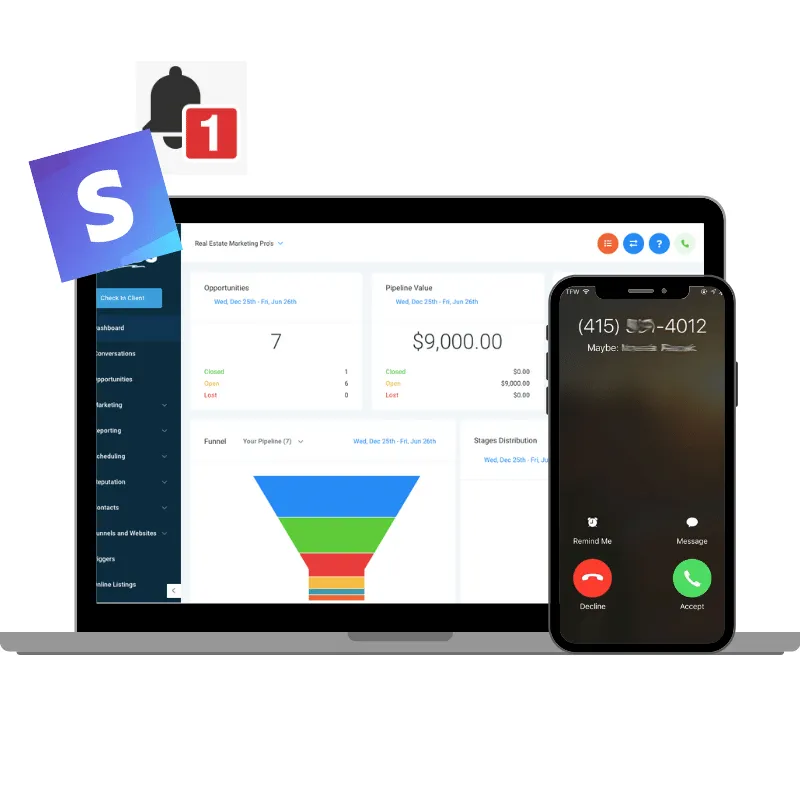
Every time we generate you a new lead interested in your marketing services, your dashboard will automatically add the new lead into your CRM, and send the new lead an SMS, email, and even automatically call you to connect you right away!
Become More Focused, Be More Productive, Burn Out Less
Price - FREE training
From The Desk Of Wayne Veldsman (blogs)
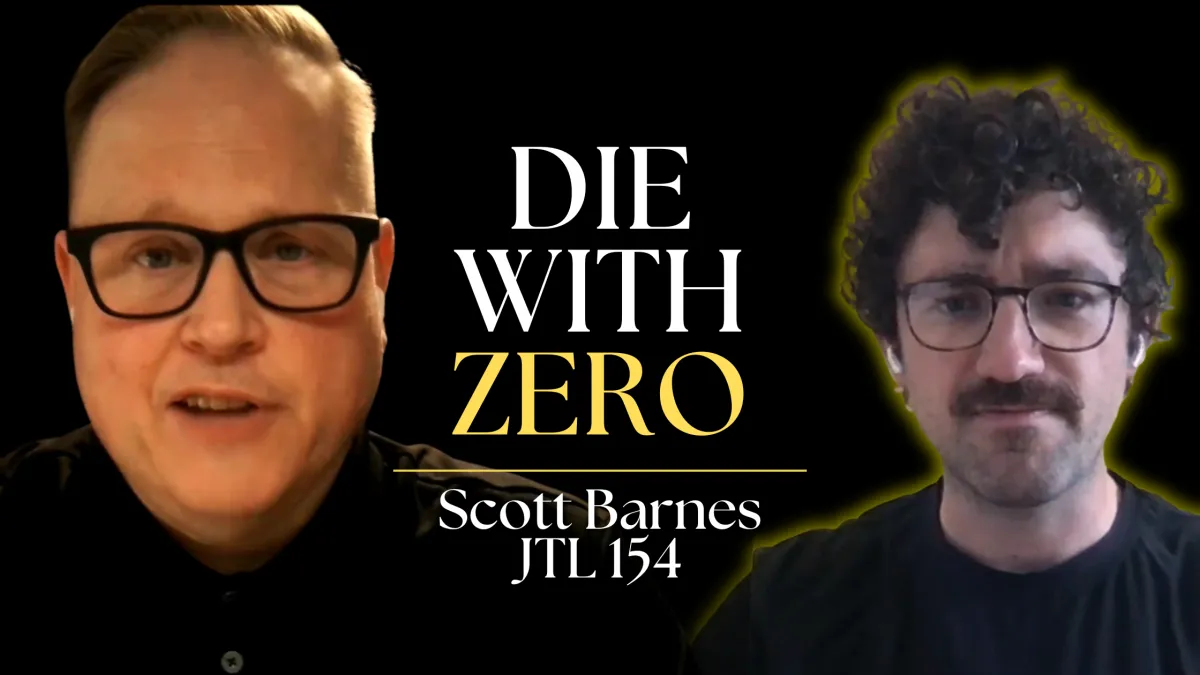
Childfree Financial Planning: Why the Standard Playbook Does Not Apply
Want to hear the full conversation? Listen to the Journey To Legacy podcast Episode 154 with Scott Barnes for even more insights and stories from his remarkable entrepreneurial journey.
Childfree Financial Planning: Why the Standard Playbook Does Not Apply
Most financial advice runs on a single assumption: that you will have children, and that the point of building wealth is to eventually hand it over.
Nearly half of US adults under 50 who do not have children now say they are unlikely to ever have them, up from 37% in 2018 to 47% in 2023 according to Pew Research Center. The planning industry has not caught up.
Scott Barnes spent 25 years inside traditional financial planning before he noticed the gap. He is now a senior advisor at Childfree Wealth and Childfree Trust, part of Childfree Insights, working exclusively with childfree clients across all 50 states. On this episode of Journey to Legacy he explained what actually changes when there is nobody at the end of the handover.
The short version: the investments barely change. Everything around them does.
Childfree or childless: why the distinction matters
Childfree and childless get used interchangeably. Scott separates them, because the planning conversation is not the same.
Childfree describes people who have made a conscious decision not to have children. Scott puts this at roughly 20% of US adults.
Childless describes people who do not have children by circumstance. Medical reasons, no partner, timing, any number of things. Roughly 5%.
Together that is about a quarter of the adult population. The financial mechanics can look similar. The conversation cannot. For someone who is childless by circumstance, the topic may carry real grief, and Scott's practice deliberately does not ask which category a client falls into. The intake question is simply whether the client is childfree. Anything beyond that is the client's to offer.
That sounds like a soft point. It is actually a planning one. If a client does not feel safe telling you what their life looks like, you cannot build a plan around it.
The gap in the training
Scott is a certified financial planner. He completed the full curriculum.
Asked what that curriculum covers about clients without children, his answer was direct: absolutely none. No module, no chapter, no mention of how the planning process changes.
The result is a default script that most advisors work from without questioning it. College, marriage, house, children, build wealth, pass it down. Clients who fall outside that script routinely hear some version of "you don't have kids yet" or "you'll change your mind."
About 80% of the clients who come to Childfree Wealth have never worked with a financial advisor before. Scott's read on why is straightforward. They had not heard anyone speak their language.
What actually changes when there is no handover
This is the core of it, and it is mechanical rather than emotional.
When you have children, your money has a job after you die. So the plan optimises for the ending. Accumulate, protect, transfer. Spending in retirement becomes something to be careful about, because every dollar spent is a dollar that does not make it to the next generation.
When you do not have children, there is no transfer event. The money has to do its work in the middle of your life instead of at the end of it.
Three practical consequences follow.
1. Location of assets matters more than selection of assets
Scott's portfolio approach is deliberately plain. Low cost ETFs with broad market coverage, no aggressive stock picking.
What changes is where the money sits.
The standard advice is to fill the 401(k) and the IRA first and keep filling them. That works if you plan to stop working at 65. It works badly if you want the option to step back at 50, because withdrawals from retirement accounts before age 59 and a half generally trigger a 10% early distribution penalty.
There are legitimate workarounds. The Rule of 55 allows penalty free withdrawals from a workplace 401(k) if you separate from service in or after the year you turn 55. Section 72(t) allows substantially equal periodic payments from IRAs and qualified plans at any age, using one of three IRS approved calculation methods. Both work. Both are rigid. A 72(t) schedule, once started, must run for five years or until age 59 and a half, whichever is longer, and modifying it can trigger retroactive penalties. Fidelity has a plain English breakdown if you want the detail.
Scott's preference is to avoid needing the workaround at all. Keep making the retirement contributions, then direct additional savings into a taxable brokerage account. Yes, you pay tax on dividends and capital gains along the way. What you buy is access. The brokerage account becomes the bridge between the day you stop working and the day the retirement accounts open up without penalty.
There is a second bridge most people forget. Leaving work before 65 also means leaving an employer health plan and buying cover on the marketplace. That cost belongs in the plan from the start.
2. Power of attorney matters more than the will
Everyone gets told to write a will. A will is a document about what happens after you die.
Scott's point is that the bigger exposure sits earlier. Who makes decisions for you while you are alive and cannot make them yourself?
If you have children, that answer tends to arrange itself. Next of kin steps in. If you are childfree, there is no built in answer. Medical and financial powers of attorney become the documents that carry the weight, and naming someone is not the same as solving the problem.
Two failure modes Scott sees regularly:
Naming upward. Most Childfree Wealth clients are between 30 and 50, and most instinctively name their own parents. That is planning in the wrong direction. Contemporaries or siblings are usually the better structural choice.
Naming without capacity. Scott has his brother listed on his own financial power of attorney, and openly questions whether someone five hours away could realistically manage a household's affairs day to day.
There is also a compliance gap worth understanding. An attorney in fact is held to a fiduciary standard, but there is no routine oversight. Nobody audits them. If the named person does not follow the wishes recorded in the documents, the only real remedy is litigation, and the person affected is by definition incapacitated. Scott's example of what goes wrong at scale is the Prince estate, where the absence of proper documents produced years of dispute.
Childfree Trust exists to answer that question with a professional fiduciary. A trust company that can be named to step in, make medical and financial decisions, and follow a documented set of wishes. Membership covers document creation, powers of attorney, executor and will, a revocable living trust, and unlimited updates.
3. Legacy becomes a present tense activity
The traditional definition of legacy in financial services is the balance remaining when you die.
Scott's working definition is what you give and build while you are alive.
In practice that looks like ongoing charitable giving rather than a bequest, donor advised funds, charitable remainder trusts, volunteering time as well as money, and direct involvement in the lives of nieces, nephews and friends. Funding the trip. Backing the shelter every month. His line on it was that you should not wait until you die to make a difference, because you can impact people's lives today and actually watch it land.
There is an inconvenient structural note underneath this. Much of the advisory industry is compensated on assets under management, typically somewhere around 0.75% to 1% of the portfolio each year. A client who deliberately spends down their assets is a client generating a shrinking fee. Scott is careful to say this is not necessarily a conflict, but it does explain why "spend it while you are here" is not the default advice you hear.
Solo agers: the same plan with the buffer removed
A solo ager is someone without a partner to rely on. Childfree people can be partnered or solo, and the difference between the two is significant.
A partnered childfree couple has one layer of built in support. If one gets ill, the other can usually step in for basic care and decision making. The planning question is what happens if both are incapacitated at once, which is a backup problem.
For a solo ager, that layer does not exist at all. So the protections have to be bought or built rather than assumed. Long term care insurance so that care at home is affordable. A professional fiduciary rather than a friend who may or may not follow instructions. Explicit care documentation covering assisted living preferences, hospital preferences, and what happens to pets.
Pets deserve their own line here, because they are frequently the first thing to fall through the cracks and the last thing anyone wants to get wrong. Named recipients, named rescue organisations, and where appropriate a pet trust with funding attached.
Scott also flags elder financial abuse as a live risk for this group. The pattern is familiar: an older person adds a friend to a bank account for convenience, and the account is drained. Structural protection is the answer, not trust in an individual.
The gardener and the rose
One idea from the episode worth sitting with, and it applies well outside the childfree context.
For partnered couples, Scott describes an arrangement where one person acts as the gardener and one as the rose. The gardener keeps working and provides the financial base. The rose takes the time. A sabbatical, a passion project, a slower few years, a full career change.
You run it for three, four, five years. Then you switch.
Being childfree does not create the idea. It often creates the financial flexibility to actually do it.
The one thing to take from this
Most people build their finances first and then try to fit a life around them.
Scott's method runs the other way. Plan the life, then build the finances to support it. That is the entire difference, and it is why the childfree plan and the parenting plan diverge so sharply despite using nearly identical investment products.
If you have children, your money has a job after you are gone, so the plan optimises for the ending. If you do not, it has to do its work in the middle, so the plan optimises for access, protection and giving while you are here to see it.
Neither is better. They are just different, and only one of them is written down anywhere.
Frequently asked questions
What is the difference between childfree and childless?
Childfree describes people who have made a conscious decision not to have children, roughly 20% of US adults. Childless describes people who do not have children by circumstance, including medical reasons or lack of a partner, roughly 5%. Both fall under the childfree umbrella in financial planning, but the conversation and the sensitivity required differ.
Do childfree people need a will?
Yes, but the will is not the most important document. Medical and financial powers of attorney matter more, because they govern who makes decisions while you are alive and incapacitated. Parents typically have a built in answer through next of kin. Childfree adults do not.
Can you retire before 59 and a half without a penalty?
There are legitimate routes, including the Rule of 55 for workplace 401(k) plans and Section 72(t) substantially equal periodic payments. Both are restrictive. Building a taxable brokerage account as a bridge to age 59 and a half is generally more flexible.
What is a professional fiduciary?
A trust company or licensed professional named to act as your medical or financial power of attorney in place of a family member or friend. They are bound to follow documented wishes and are subject to oversight that private individuals are not.
What does die with zero actually mean?
It is a framing rather than a literal target. The intent is to spend and give meaningfully during your lifetime rather than accumulate assets purely to leave behind. Since nobody knows their date of death, a buffer is always built in.
Learn more about Scott's work at Childfree Insights, home of Childfree Wealth and Childfree Trust.
TRANSCRIPTS:
WAYNE: What if everything the financial industry told you about building wealth was based on one assumption that you never signed up for? That you'd have kids, pass down money and define your legacy by what happens after you're gone. My guest today, Scott Barnes, spent 25 years inside that old financial management system before he realised it was giving terrible advice to people just like him. Scott has more finance certifications than I can even mention, and now as senior advisor at Childfree Trust and Childfree Wealth, he's rewriting the playbook for over 25% of American adults that the financial world has been flat out ignoring. Today we're talking about spending your money while you're alive, retiring before 60, and building a legacy that you actually get to see. This one is going to challenge how you think about wealth no matter where you're at. Enjoy.
[EPISODE]
WAYNE: Well, Scott, you're a man with over 25 years traditional experience in the financial planning space, right? You know the ins and outs of building wealth for the now and for the long term. But not just that, you don't just go the traditional route, because you yourself found out that you weren't necessarily in the modern world's eyes the traditional guy. And so you sort of flipped financial planning to a way that is allowing more and more people, right? I don't know what the percentage is now of people that are deciding to be childfree, to solo age or age with their partner, actually figure out how to, I don't want to say game the financial industry, but make it work for them versus only making it work in this family space. And then not just that, I might go into a legacy also of what makes you qualified on that side and credible, and that's what gets me super excited to talk to you today.
SCOTT: Yeah. So for myself, I've been in the financial services industry for over 25 years. I've spent a lot of time working with clients, working with financial advisors, other financial advisors in my previous roles, and really one of the things that I've noticed and has really stuck out to me working in this traditional path of financial planning is that there are a lot of people that get left out. And when we look at people that are left out, I look at that childfree demographic, and in the US, 25% of people in the US that are adults are childfree, and that number continues to grow. And we really do a disservice to a lot of people by ignoring the fact that people are making this choice, or they might be in this situation via they just can't have children themselves. So it's really an underserved and under-noticed world out there, and many times we really look at this and think of it... We need to think of it differently and think of ways that we can help these people navigate their life and change the expectations that have been put on them over the years.
WAYNE: Interesting. Okay, so let's define this, because I wasn't really even aware of this market, let's put it that way. You mentioned childfree. There's another term you use, maybe it's called solo aging. Define for us what this is versus maybe more traditionally in financial planning.
SCOTT: Yeah, sure. So childfree, that's sort of the umbrella term we use, but we actually break it down into a couple of different areas. Really, there's two terms that we generally recognise for this world, and that's childfree and actually childless. Childfree are typically people that have made the conscious decision not to have children, and that makes up of that 25% of the US population, about 20% of those folks are those people that have chosen not to have children. So they've consciously made that decision to say, "I'm not planning to have children, not interested," whatever the reason may be, they've just decided they're not going to have children. That remaining 5% are those people that by circumstance, it might be medical reasons, it might be because they don't have a partner, it might be for any number of reasons. They might have wanted to have children, but they're unable to have children of their own. So it's one of those situations that we try to basically say, "Here's childfree, here's childless." They sort of fit under this larger umbrella, but our approaches to each of those groups is completely different. Childfree people, because they made that conscious decision, they've recognised and said, "Okay, I want to do something that's out of the norm." The childless people, we have to approach with a different angle, and you have to be very sensitive to those folks. There are many people that are very sensitive to having that conversation, and they don't want to be judged by the financial advisors, the people that they work with to help them build their wealth and build their knowledge in the financial world.
WAYNE: Yeah. Okay, gotcha. So this childfree is more a little bit of the choice.
SCOTT: Yes.
WAYNE: And so, you know, you just said that people are afraid to be judged, especially in this financial planning space. I'm curious, why do you think this judgment comes about? Why are people assuming you have to have kids, and you have to be planning your financial life around leaving money for future dependents?
SCOTT: Yeah, it's really interesting. Again, since the majority of my career I was working the traditional path. My wife and I, we're both childfree, and I hadn't really even noticed it until I got later in life and I've sort of learned about this whole childfree world and what's going on. But for those people that are working with clients on a day to day basis, they follow what we call the typical life script. They go to college, get married, buy a house, have kids, then do all that fun stuff with kids and everything else, and then ultimately they build their wealth so they can retire, but then also leave a legacy to their children. And that's something that for the people that are childfree, they're making a conscious decision to say, "Look, this is not the path I'm following." But when we're looking at it from that financial planning perspective, it completely changes how we need to look at their life and how we look at how they handle their finances. They may be in a situation where, because of their income or whatever, they might not make a ton of money, and they are living just a normal life and they can't really have a ton of flexibility, but being childfree means that they do have more flexibility than, say, somebody that has children.
WAYNE: Yeah, absolutely. It's going to be a completely different strategy, and we'll go into this concept that you guys talk about. I think it's called die with zero, that we'll touch on here in a second. I'm curious, how did you realise, when did you even realise that the entire financial planning industry is sort of built around this family first assumption?
SCOTT: It was when I first ran across actually the founder of our firm, Dr Jay Zygmont. He started his own registered investment advisor, Childfree Wealth, about five years ago. It was in 2021. And I was just out there looking about... I followed a lot of different financial sort of people on LinkedIn and other spaces, and ran across his information and ran across his podcast and really got interested. It was one of those things that really made me stand up and go, "Huh." I've recognised I'm childfree, didn't really have a term for it necessarily, but wanted to sort of find out. It's like, okay, how is this different for us? And as I continued to dig into his content, that's what made me realise that, wow, this is a huge area of just knowledge that most planners do not have. When we talk about, I'm a certified financial planner, as part of that curriculum that you do studying, there's no mention of not having children, and what do you do when you don't have children, and how does that impact the planning process for those people? It was absolutely amazing after I'd gone through all this and then learned more, I was like, how are we not making this conscious decision of saying, "Hey, these are people that have different needs than the traditional life, the life script that most people follow." And that's not necessarily bad or good. It's just different, and we just need to make a conscious decision to say, "Hey, we're going to help serve these people and talk about things in a different way and not follow just sort of what we've always done when we're talking about financial planning."
WAYNE: To choose to talk about things now in a different way, right? This more customised approach. I can't believe that traditionally, like you said, even in education, there's no mention, there's no planning for individuals that are childfree. How did that happen?
SCOTT: Absolutely none. It's just one of those things. I'm not sure how it happened, but it's very interesting when we look at all the curriculum, there's no mention of it anywhere in these training processes. And having worked with different financial advisors from major firms that handle clients across the country, all the biggest firms that work with clients, there's no specific thing that they do for childfree clients. It's all pretty much following the normal script, and that's where we get into that conversation that's really frustrating for a lot of childfree people, is that many times these people will come in and meet with an advisor and they'll hear those words of like, "Oh, you don't have children. When are you planning to have children?" Or, "Oh, well, you'll change your mind." We have sort of our own childfree bingo card where we get those questions, because we get it from family all the time. It's usually the parents or grandparents asking, "When are you going to have kids? Oh, well, you'd be such a great parent. Why aren't you doing this?" And all of these things, especially if you've made that decision to say, "I'm not going to have children," we hear this all the time, and that's what most advisors usually approach that with. They go, "Oh, okay. You don't have kids yet, but you will." And that's just the normal assumption, and that's what has to change and why we're out here trying to spread this message of, hey, talk to these people where they are. Don't make judgments. We personally don't even ask how or why they're childfree. We don't ask them, "Are you childfree because of choice or because of circumstance?" We don't even ask that. If they want to bring that up to us when we're having that conversation, then I'm happy to have that conversation with them. But we don't ask them. In our intake process, our first thing is, obviously they're coming to us because they're childfree, and we just say, "Are you childfree?" And if they are, then we're like, "Great. You divulge what you want to divulge as we get going," but no judgment. We don't know why you're here, but we know you're childfree, and that's good enough for us.
WAYNE: Absolutely. Now, there's a couple of things that you mentioned that I want to dive into. To talk to people where they are, I just want to note how wonderful that is. And, you know, Scott, I'm really a big communications and marketing guy end of day, and I think this can bleed over into so many different aspects of our life and businesses. Don't go into a conversation assuming anything, that somebody should be doing something, that somebody will do something. Talk to people where they are and really just support them. Do you have any sort of memory or stories around this realisation, or the big difference that it's making of talking to people where they are versus just assuming, "Oh, when are you going to have kids?" How about just supporting somebody?
SCOTT: Yeah, we do get that quite frequently, and one of the things that I see is when people start to divulge their stories as to why they are childfree. I've had a couple of clients that unfortunately for circumstance or medical reasons, they've been unable to have children, and they opted not to adopt or do any of that. But it's a very emotional thing for them, and they really want acknowledgement that that's a loss for them in many ways, and we have to be able to recognise that for some people it is a loss that they haven't been able to have children. And there's obviously a lot of emotions and a lot of things that make it very difficult for them to talk about, and being able to sit with the client and ask them and have them open up about it and giving them the space to do that without jumping into numbers and finance stuff that we always talk about with financial planning, giving them that space is huge. We approach clients by saying, "Look, we plan for your life first and then build your finances to fit that. And we want to know what your life is. We want to understand it, and we want to know where you're coming from, and we want to give you that space to be able to have those conversations." And all of those things ultimately impact their decision making process. It's huge.
WAYNE: Yeah, it's absolutely huge. It's great that you all are truly supporting individuals in their lives versus assuming what they, quote unquote, "should be doing" by the traditional path, traditional society. Give us a little bit of some of the differences potentially around the traditional route of financial planning when it comes to individuals with families versus in the childfree space. What are some of the biggest things you recommend individuals do differently when it comes to their finances?
SCOTT: There are a couple of things. Probably the biggest is that idea that they want to leave money in some way, shape or form to somebody, and that's even not a monolith. I mean, childfree people are not a monolith either. There are plenty of people that want to leave a legacy in some sort that might be to nieces, nephews, other family members. It could be to friends. It could be to charities. But a lot of the childfree people that we work with, they approach things from a different perspective. They want to enjoy the money that they have while they're alive. They want to give while they're alive, and their goal is not necessarily to die with a ton of money that they leave behind to somebody, and that's probably one of the biggest things, and that sort of breaks the financial planning world. A lot of the financial planning and advising world right now focuses on what they call assets under management. So they're paid based on the assets that a client has. So if they have two million dollars, they're making like 0.75 or 1% on that, and they build that each year. If you are now spending down all of your money toward the end of your life, that means they're making less money. Their goal typically is, "We're going to build up your assets. You can live your retirement and do those great things, but we're building assets so you can then leave that to the next generation." And it's not necessarily a conflict, but it's just something that if you're trying to get your clients to actually spend their money while they're alive, that's something that most financial planners are not really thinking about. They're not built to do that. They're built to, "I want to give you as much money as possible. I don't want you to die with zero." And even our goal, our goal is not to have people actually die literally with zero. We don't know when somebody's going to pass away. If you can tell me exactly the date and time you're going to pass, I can tell you exactly how to die with zero, but I can't do that. And so we have to give you a buffer there, but it's the whole idea that we're not intending to leave behind millions of dollars to something or someone.
WAYNE: That is so interesting to me, honestly. Scott, a couple of quick questions for you. You've mentioned the word legacy now a few times. Define for me what that word means, especially in the financial planning industry.
SCOTT: Yeah, it is literally instead of leaving assets behind when you pass away, it's living that now, so giving to your favourite charities as you go along. That could be just on an annual basis. It could be using stuff like donor advised funds. It could be doing other things like charitable remainder trusts and different things like that. But it's all stuff while you're living, and you get to see the benefits of that and what those charities receive and get to see their enjoyment of that. And that could be to family members, it could be to friends, it could be to any number of things. But we really love the idea of the person, while they're alive, seeing the benefits that that brings to those people or organisations that they love. And that's something that, while there are a lot of people and financial advisors that will coach their clients on making those contributions while they're alive, there still is more of a larger focus on when they pass, so they don't lose that money while they're alive. And that to me is a gap, and I feel like philanthropy would be much greater if people would do more giving while they're alive rather than when they pass away.
WAYNE: Okay. So legacy in the financial planning sense traditionally is the amount of money, finances that you leave behind after you pass away. But it sounds like you all with Childfree Trust are redefining or discussing legacy around, well, what are you doing today, right? What are you able to contribute to the world, to organisations today?
SCOTT: Correct. Yeah, and that's something that is generally, again, there are plenty of advisors that talk about giving today, but the focus has traditionally been on moving the money to the next generation, and that's one of the areas with Childfree Trust that is different. And Childfree Trust falls into what we would call that estate planning type of world. And in all honesty, when we're looking at estate planning for childfree people, I almost don't care what their will says. I mean, I'm happy that that does. The key documents in the US for childfree people are powers of attorney, so medical and financial power of attorney. And all that is about living. So what happens to them when they become incapacitated? Those are the biggest concerns. With people that have family or have children, who are the people that will step in when those people become incapacitated? It's their kids. That's who steps in. I was that medical and financial power of attorney for my parents. That's the obvious, makes sense. But when you're childfree, who does that for you? If you have a spouse, it'll usually be each other, but then what happens if you're both incapacitated at the same time? So having that backup there is something that is really key. And it's funny, I work with a lot of clients, the majority of clients that come to us on the Childfree Wealth side are between their 30s and 50s. Most of them will end up naming their own parents as the people that will be on those documents after them, and that's going the wrong direction. You usually want to name people that are either your contemporaries or like a brother or sister, but that's a big thing to ask somebody to do, to step in and handle your finances, to handle your medical decisions if you're unable to do so. So Childfree Trust, we created that to be able to answer that question of who makes those decisions when you can't, and what we have is a trust company that is backed behind us that says, "If you are unable to make decisions for yourself and you're in the hospital or whatever the situation may be, you're cognitively impaired, or you have Alzheimer's, dementia, we'll step in and we'll manage your affairs for you as the medical and financial power of attorney."
WAYNE: Interesting. I like this sort of flip here where you're saying the traditional financial planning route, they're really recommending and pushing a will and testament, that everybody needs to be set up. Okay, well, after you pass away, what happens with everything? And this big old assumption that you're going to have kids to deal with everything, where now you're flipping the script for the childfree market. They really need to have this power of attorney set up, and then the trust can manage it also. What does that sort of management look like? What is the difference here of what a will and testament does versus what a power of attorney is going to do for individuals?
SCOTT: Yeah, the will and testament obviously is not put in place until somebody's passed away. So they're gone. They then have what is usually a named executor in the will, so somebody that will handle the distribution of those assets until the estate is closed out. And a childfree person still needs that as well, but for the powers of attorney, and again, for people that are not childfree, power of attorney is important as well, but they sort of have those natural built in lines. They have that next of kin relationship that follows, that if for some reason they didn't have those documents in place, who's going to be contacted? They're going to contact their children, and then the children can then make decisions. They might be limited in what decisions they can make, but they'll be able to help make decisions for their parents. But the childfree person doesn't have that capability necessarily. They may have named somebody, but is that person going to be prepared? For example, myself, my brother, I do have him listed as one of my financial power of attorney on my documents, after my wife, but he's five hours away. Is he going to be able to manage my household expenses and deal with all that from five hours away? He might be able to, but it's very difficult for people to be able to do that and manage somebody's affairs and step into that role. And we created Childfree Trust to give people what we call a professional fiduciary, because they are professional fiduciaries at a trust company that can step in and make these decisions. And when they're putting together all their documents with us, we ask them to get very explicit on what their wishes are if something were to happen. A lot of childfree people have pets. That's just as important to them as potentially any kids are. Our pets are our children in many circumstances. So what happens to the dog or the cat when we're no longer able to make decisions or physically be there to handle them? We ask the clients to put into what we call our care document saying, "This is the people that we want this animal to go to. This is the rescue shelter that we want them to go to." We even allow for pet trusts to be created that specifically make sure that that pet is cared for and is not just dumped into, unfortunately, like a kill shelter type of situation. So there are many things that we want to focus on and do that are different. And again, people that have children, they should all be doing these things too, but the focus traditionally has been on what's left behind for those folks rather than what happens today.
WAYNE: Yeah. What an interesting difference for us to be thinking about and realising. And it's great that you all at Childfree Trust are helping individuals to set that up with experienced people and an experienced company that will handle your affairs if you pass away, instead of you just automatically putting that burden upon your brother or sister or, in a lot of cases, probably just a best friend if you don't have any other family members, just jotting them down on this piece of paper where it's actually going to be really difficult for them to do. And so is that the primary service you all sort of provide at Childfree Trust? Or give me a little bit of some bullets for individuals that are listening, that are thinking, you know, "I fall into this category, into this bucket. I'm not necessarily sure what I need help with." What all does Scott and Childfree Trust do that they could help me out with?
SCOTT: Sure. So Childfree Trust, we basically allow them to create all of their documents in our system. So all of those documents, the medical and financial power of attorney, executor, and will, and they also get a revocable living trust as part of their setup with us. Those documents can be updated at any time. There's no additional charge. Once you're a member of our service, you get unlimited updates to any of that information as much as you want. And then if something was to happen, we have that professional fiduciary that's back there that can step in and make those decisions for you when they can't. And what we do at Childfree Trust, as far as the client facing side of things, is we encourage them to do a lot of that planning ahead of time, so doing the care planning side of things. So looking at things like, what do you want to happen if you did need to go into assisted living or a nursing home? Is there a particular place you want to go? Is there a particular hospital you want to make sure that you're at? Is there anything specific that you want us to handle? And all of that will hopefully get the client to make those decisions, so we don't have to make that decision for them. We'll follow whatever they ask us to do and make sure that it's actually implemented and done. But if they don't, then we're more than happy to step in and make those decisions. We'll contact somebody in their local community, a professional aging care manager or geriatric care manager, to help make those decisions of who are the best places and what are the best places to put those people into if they did need long term care. So those are the types of things that we really do for the clients. We can make those decisions when they can't and give them that peace of mind that their wishes are going to be followed. That's the one problem with even naming family, is that you may have specified something saying, "I want this to happen," but the family member may not necessarily do that. That's one of the biggest problems with naming especially medical power of attorney. Myself, I told my parents, I said, "I do not want to be medical power of attorney. I will do the financial stuff. I'm happy. I'm great with that." Medical stuff, I didn't want to have that decision making. I didn't want to make that my decision. I wanted my other family members to do that because I was just too emotionally tied up to it, and I didn't want to put myself in a position where I couldn't do something that they asked me to do.
WAYNE: Sure. No, perfect sense. And so Childfree Trust will handle all of that for you. And then tell me a little bit about Childfree Wealth, Childfree Insights, that I think are like subsidiary brands of you all as well. What all are you doing there?
SCOTT: Yeah, Childfree Insights is sort of our parent organisation that houses Childfree Wealth and Childfree Trust. Childfree Wealth, as I mentioned, is our registered investment advisor. We work exclusively with childfree clients around the country, all 50 states. And Childfree Trust also operates in all 50 states and DC. So we cover the whole United States, and we're really focused on the wealth side of just helping clients that are looking for that guidance that's not typical. Again, when they find out about us, they're like, "Yeah, there are things that are different about my situation than what everybody else gets." The majority of the clients that we get are not the normal client. About 80% have never worked with a financial advisor before because they haven't heard their language being spoken, and that's why we're there. And the people that have worked with financial advisors before, when they get to us, they're like, "Yeah, they were telling me to do this and this and this, and it didn't make sense, and now you guys are saying, 'Hey, this is maybe how it should work.'" And it's like the light bulb just lights up, and they're going, "Wow, I can't believe that I didn't realise that my situation was so much different than everybody else's."
WAYNE: Significantly different situation. So Scott, I'm curious, when it comes to this financial and wealth planning through Childfree Wealth, what looks different in the strategy? If you could tell us a little bit of specifics, I'm curious. The individuals that are planning to have as much money left over when they die as possible to be able to give to their kids, versus individuals that want to benefit from as much money today. Does their investment strategy look different?
SCOTT: Yeah, the investment strategy usually is something that is different because many times they're looking to do things that other people haven't done. And when I say that, they are retiring earlier because they maybe have that flexibility, or they're taking sabbaticals, or they're doing things, or just taking time in general. They might not take an official work sabbatical, but they decide, "I'm not going to work for the next year. I'm going to travel," or, "I'm going to do something else or pursue a hobby." So that's one of the things that's very different when we're working with these clients, and it's something that I love talking about because they get excited when they realise that, hey, I might be able to do this, and I might be able to do something that my parents would go, "Oh, my gosh, what are you doing? You're quitting your job to do this. What are you going to do? You're not 65 yet. You're only 50." From the planning perspective, that usually does mean that we're going to be accessing, or we need, funds that are going to be accessed before normal retirement age. And in the US, if you're under age 59 and a half, there's a 10% penalty for drawing retirement assets out before you hit age 59 and a half. There are ways to get around that. There's something called the Rule of 55. There's something called 72(t), substantially equal periodic payments, that can help get around that. But it's also maybe redirecting. Everybody says, "Just dump everything into your 401(k), do Roth, everything," and all that. That might not be the direct way that we actually do their investments. We might say, "Well, if you're going to retire at 50, yeah, we could potentially access some of your pre-retirement assets without penalties, but we want to build a brokerage account that's a taxable brokerage account that you can access to build that bridge until you hit age 59 and a half or until you're forced to take money from your 401(k)s or IRAs." And it's not necessarily that the investment is different. It's really a location of where we are investing that's different. The investment, again, doing the different types of portfolios and stuff like that, it's all pretty much very similar. We take a very simple approach. We don't do a lot of aggressive stock picking or anything like that. We're using low cost ETFs that cover the whole marketplace, and that's generally what we're recommending. But the actual locations and where they put stuff is really what we're focused on to make sure that they're maximising and giving themselves the flexibility that if they do want to step away, they can. We also really encourage, especially for partnered couples, the idea of the gardener and the rose. So what this is, is one of the people is sort of the gardener, and the other person maybe takes time off or does something, and that gardener is sort of supporting that person while they're doing something completely out of the norm. So again, it could be pursuing a passion project. It could be just taking additional time off, but giving them that capability or ability to think about things differently and potentially even switch off over time. One person's the gardener, one person's the rose. They do that for three, four, five years. It could be a year, whatever it may be, and then potentially switch off so you give each other the ability to pursue those things that they've always wanted to pursue. And that's something that, again, is not the normal type of planning that you see from most financial planners. They're always concerned about, and I am concerned always too, about making sure they can live their life and do the things they want and are living within their means. But if we can give them that flexibility and show them that they're able to do these things, they always think in their mind, "Okay, I need to hit this magical number to retire, three million, five million," whatever that might be. And a lot of times it can happen well before then, and it's all about the flexibility that their lives have created by being childfree that maybe would allow them to do that. And it's turning that mental light off in their head of going, "Oh, I don't have to wait till 60 to retire. I don't have to wait to do this." It's fantastic when they realise that they can do it and step away, and it's probably the most enjoyable part of my job is when I can say, "You can retire tomorrow. There's no reason you can't." And they're going, "I thought I couldn't retire for another five years." And I'm like, "No, you can do it today." And they love it.
WAYNE: What's a strategy that you could recommend somebody look into that wants to maximise their finances today, that wants to start spending their money today instead of having to wait until 65? What's a strategy to look into, whether maybe they should have looked into it a couple of years ago, or even today, so that they can really benefit as soon as possible?
SCOTT: Yeah, I briefly mentioned it before, but it's that idea of don't just save in retirement accounts. We do see a lot of clients that come to us that all they have is money in 401(k)s and IRAs. That's perfectly fine. That's reasonable. That's not unreasonable, but they've ignored the idea of investing in brokerage accounts, so taxable brokerage accounts where, yes, there are capital gains and dividends that you might have to pay taxes on while you're currently investing in those things, but that's one of the areas where we see the biggest gap. And that taxable brokerage account gives you the maximum flexibility. As I mentioned, if they only have retirement accounts, we can still figure out ways to get access to that money prior to age 59 and a half without the penalties, but it's a lot more restrictive. It's not as easy as it is if they have that brokerage account. So if they have the money, look at it from the perspective of do the 401(k) contributions, do the IRA contributions, but any additional money, start funnelling into brokerage accounts. And I think that gives them the max flexibility, because that's always the biggest concern for folks, is that when they retire at 50, 55, they can't get access necessarily without some issues that you have to sort of plan around. Or they also have to think about, oh, well, now I'm not on an employer health plan. What do I do? Now I have to buy insurance on the marketplace. So that's something they also have to think about. So again, there's a lot of aspects to this that are really important for those folks to think about. It's not just one thing. It's multiple layers of things, but that's one of the things that we love doing, and I think part of the difference, most financial planners don't necessarily do that. There are plenty of newer planners that are out there really focusing on that younger market and also helping them retire sooner, which is fantastic. But how does it also make a difference if you do have or don't have children?
WAYNE: So Scott, I want to start to wrap up around the idea of legacy. I noticed that your idea is that legacy is what you create while you live. Give me some examples about that. What does that even mean, legacy is what you're creating while you live?
SCOTT: Yeah, it really depends on the person. But what we see frequently, for myself, I'll give you my example, is that we actively contribute to animal rescues and really are involved in those types of groups. That's one of the areas that we spend a lot of time in, and we try to give to them on a frequent basis. We do sustainer type of things where we're making monthly contributions because we want to make sure that we're having an impact every day and every month with these organisations. We're more involved with them on a volunteer basis as well, and that's something that we encourage all of our clients to get into. And that is one of the benefits of being childfree, is you might have the time to be able to do that, to do additional volunteering. If you have children, it becomes much more difficult to be able to step in and provide not just giving money, but also giving time, and that's a huge difference for a lot of childfree people. And that's what I love about being able to help these childfree people build a legacy that's while they're alive, and being involved in the things that they really believe in, and then working toward that. And also, another great example is I have plenty of people that want to be heavily involved in their nieces' and nephews' lives. They have brothers and sisters that have kids. They want to be involved with them. Even if they chose to be childfree themselves, they want to be involved with their nieces and nephews. And they're doing things like setting up big trips that their parents might not have been able to afford to give them, but they're going someplace, to another country to visit and do something that maybe they wouldn't have been able to do if it was just their parents that were in that position. But the childfree people can pay to bring them over or pay for the trip itself, and that's huge. And being able to do that and being a part of those families and being more active and present with them is something that I think a lot of people discount, because a lot of people do still have that urge to want to be with family. And if they can encourage or help their brothers and sisters and their children, they're thrilled to do that. It's just one of those things that I really encourage people, don't wait until you die to make a difference, to have an impact. You can impact people's lives today. You can impact the organisations that you want today. And you don't have to wait to do that. And if you can do that now, do it so you get to see the benefits of it. Obviously, it benefits you from the emotional and just personal fulfilment side, but it also obviously benefits them, either from the money side or from the participation side, where they're getting the benefit of having somebody that's actively engaged with their organisation.
WAYNE: Amazing. Everybody that's listening, I really recommend go rewind back a minute here. Scott, that is so beautifully said around how legacy is really what we're creating today, and there's so many benefits to you and to everybody that you're affecting when you take action today to financially help somebody, to help somebody with your time. Whether that's an organisation that you're donating your time or finances to, or people, other loved ones. We create legacy today, not just when we die, because little do we know, our last day on earth could literally be today.
SCOTT: Yeah. Great point.
WAYNE: Great concept. Scott, thank you so much for your time today. I really appreciate it. Anybody that is looking for more information, that wants to learn more, where's the best place for them to go to?
SCOTT: It'd be childfreeinsights.com. So just all one word, www.childfreeinsights.com. From there, you'll be able to direct into our different organisations, Childfree Trust and Childfree Wealth, if you're interested in talking to us there. But would certainly appreciate anybody checking us out. Follow us on our Instagram, our Facebook, LinkedIn, everything. And also consume some of our podcasts. If you're childfree and you've never thought about these things before, definitely check us out. There's a lot of great content that you can look at and a lot of great things you've probably never thought of if you haven't been working with somebody that specialises in this space.
WAYNE: Wonderful. Scott, thanks again my friend. I greatly appreciate it.
SCOTT: Great. Thank you, Wayne. Have a great day.
[POST-INTERVIEW BONUS, keep or cut. Strong material on solo agers and fiduciary risk]
WAYNE: Is there anything in your mind maybe that I didn't ask that you think I should have?
SCOTT: It's a lot to cover. It would probably have been, on the childfree side, having that conversation about the difference even between couples and solo agers. I know you brought up the solo ager thing, but I had to pivot a little bit. Solo agers are even more of a concern for all of this stuff than people that have a spouse or a partner, because they don't have somebody at all, and what do they do? All of those things that we discussed, especially on the estate planning side, are even more important for them because they need somebody that can step in and make decisions for them, and we're really concerned about that.
WAYNE: I mean, that is huge. And so just out of curiosity, what do you say is the biggest difference there between solo agers versus just childfree?
SCOTT: Well, there's not really a difference. A solo ager could be childfree. It's just we identify solo agers as people that obviously don't have a partner that they can rely on to help provide some of the normal things that a partner provides. When it comes time for, like if they get sick or ill, and they need help at home, obviously a partner can usually step in and handle that. For a childfree person that is solo, we have to look at it from, we need to make sure you have protection in place. So that might be long term care insurance, so they can stay in the home, and then they can have things handled that way. It's more important for them as childfree individuals that are solo to have a lot of the protections in place that a spouse or a partner usually provides. And that's, I think, the biggest difference there, is that there's a lot more protections we want to build in for those people that are childfree and solo than we do with the partnered couples.
WAYNE: Interesting. That must be so difficult actually to handle, for those individuals that are solo, and now who do they turn to to manage their affairs and their estate when they are passing away? It's a totally different strategy is what it sounds like.
SCOTT: Yeah, it is. And again, we're always the most concerned about their living situation, so making sure that they have somebody that can make decisions for them if they can't. Because most of those people that are by themselves, it is usually friends or maybe another family member that would be named on their documents, but they don't know that person's situation necessarily as well as they should. And as friends or a family member, technically as a medical or financial power of attorney, they are held to a fiduciary standard, but everyday people don't know what that means, meaning that you're supposed to do everything that the person that named you in those documents asked you to do in those documents. But there's nothing saying they have to. Somebody could do whatever they wanted to with the money. They could go out and spend the money if they now have access to it on whatever they want, and having a professional there really helps. A brother or sister might be a great person, but it might not be the best person either. A friend might be a good person, but it might not be the best person to handle your finances and your medical decisions. And it's just something that's a big worry, because you hear about all these things, and it doesn't matter who it is, you hear about elder abuse, you hear about all these things that happen, and a lot of times it's because of stuff like that, not having people named that can do that stuff for them. Some older lady puts a friend on as a joint person on her checking account because she just needs somebody to help her out, and now that person drains her account because of that, or takes advantage of her in some way. And that's what having those protections in place by having a trust company that can step in and make those decisions and do it in a way that protects that client at all times and is in the best interest of that client at all times is huge. There is a big difference there, but it's important for everybody. It doesn't matter if you're married or partnered or have children or not, but it becomes even more important if it's somebody that doesn't have that natural built in setup.
WAYNE: That is crazy to me, Scott. I didn't even think about this as a possibility, that you could name somebody as your fiduciary that is basically allocated to handle your affairs after you die, and then they don't have to follow through on what your wishes were.
SCOTT: Yeah, potentially. Again, as a medical and financial power of attorney, they are supposed to do that, but who's the check on that? The only way somebody's going to check on that is if somebody came in and said, "Hey, you're not doing this, and I'm reporting you, and we're going to sue you," or something like that. But nobody's checking on that. Nobody's policing that. If they have financial and medical power of attorney, they can make any decision they want for that person, and there's really nothing they can do if they're incapacitated and they can't make that decision. If that means putting them into the cheapest, worst nursing home in the country, they can do that. Whereas that person may have said, "I want to go here, and I want my assets to be spent for this," they may go, "Well, I'd rather get this, because I know I'm going to get this money when they die." So that's the problem with naming people that are not family members. And again, you can't even trust family members necessarily, and that's what you have to be concerned about. But unfortunately, so many people that are childfree and solo, they don't have anybody else to name. And what do they do? They just have to name who they name, and that could be a great choice. It could be the absolute worst choice. And of course, after they die, there's a lot of things they can do. There is a process when they die, that their estate likely will have to go through probate, which means they do have to go through a judge to disperse the assets. So there is potential that that could be a little bit more watched and handled a little bit better, but that's still not a guarantee that everything that they wanted to happen when they die is going to happen. There are some protections in place, but they're very few.
WAYNE: Wow. I'm curious, are there any stories that come to your mind of instances when this happened? When a fiduciary or beneficiary didn't do what the now deceased had wished?
SCOTT: Yeah, there have been some fairly large, like celebrity type folks that have been in that situation where stuff wasn't done the way they expected it to, or because they didn't have the proper documents in place, it just creates those issues. A good example, and it's not necessarily that somebody was taken advantage of, but when Prince passed away, he didn't have all of his documentation in place, and now his family has been fighting over that for so long, and I think it's still going on to this day of all of his assets have not been sort of distributed or figured out because everybody's suing each other because they want a piece of it, because he didn't have the proper documents in place. And it's one of those things where you get into a potential situation where if you do not name the right people or have the right protections in place, or don't have all the documents in place, you could put everybody in a really bad situation on the back end. Granted, if you're a childfree person and you're just leaving stuff to friends or family, they should just look at that as, "Hey, great. That's a gift. I'm thrilled." But for people that do have children, it definitely becomes a bigger issue when they've passed away. But I'm always concerned about what happens today when they're alive, and can that person that's making that decision for financial or medical reasons not do what the client wanted and not act in their best interest? And the only way we know that that will not happen is if that gets in front of a court or somebody that can make those decisions, but if the person decides to do something and nobody really checks them on it, then there's nothing that person can do. They're stuck with whatever the decisions were made on their behalf, and that's a horrible feeling.
WAYNE: Horrible. Scott, thank you.
[OUTRO]
WAYNE: Thanks for being here. If this conversation made you rethink what legacy actually means, do me a favour, share this episode with one person who needs to hear it. Send it to that friend who's been told they'll change their mind, or honestly, anyone who's ever felt like financial advice wasn't built for their life. Here's what I'm walking away with from Scott today. One, legacy isn't what you leave behind when you die. It's what you create and give while you're still alive. Two, the entire financial planning industry has no curriculum, zero, for people without children, and that's a problem worth fixing. And three, you don't have to wait until you're 65 to live the life you actually want. If you build with intention, that freedom can come way sooner than you think. Scott, thank you very much, my friend, and to everybody listening, go check out childfreeinsights.com. Until next time, you've been listening to Journey to Legacy.
The 3-Step Strategy To Growing Businesses Digitally
Are you an Agency Owner, Service Provider, or Entrepreneur who sells online and want your pipeline filled with 300+ appointments with your idea client every single month? Are your SERIOUS about growing your business and want to work with Wayne 1-on-1?
Launch Into Digital Entrepreneurship is a course and coaching program specifically designed to take agency owners and online service providers from manual prospecting and wondering if this is ever going to work out, to having a very specific system in place which is going to allow you to generate 20 to 30 booked appointments every single day!
You're going to get a step by step process to building out your prospecting, sales and fulfilment system, and building your sales team so that you can close clients while stepping away from your sales process.
Price - $1,997 $97 (Limited Time Offer!)
Every time we generate you a new lead interested in your marketing services, your dashboard will automatically add the new lead into your CRM, and send the new lead an SMS, email, and even automatically call you to connect you right away!
Become More Focused, Be More Productive, Burn Out Less
Price - FREE Training
From The Desk Of Wayne Veldsman (blogs)
Childfree Financial Planning: Why the Standard Playbook Does Not Apply
Want to hear the full conversation? Listen to the Journey To Legacy podcast Episode 154 with Scott Barnes for even more insights and stories from his remarkable entrepreneurial journey.
Childfree Financial Planning: Why the Standard Playbook Does Not Apply
Most financial advice runs on a single assumption: that you will have children, and that the point of building wealth is to eventually hand it over.
Nearly half of US adults under 50 who do not have children now say they are unlikely to ever have them, up from 37% in 2018 to 47% in 2023 according to Pew Research Center. The planning industry has not caught up.
Scott Barnes spent 25 years inside traditional financial planning before he noticed the gap. He is now a senior advisor at Childfree Wealth and Childfree Trust, part of Childfree Insights, working exclusively with childfree clients across all 50 states. On this episode of Journey to Legacy he explained what actually changes when there is nobody at the end of the handover.
The short version: the investments barely change. Everything around them does.
Childfree or childless: why the distinction matters
Childfree and childless get used interchangeably. Scott separates them, because the planning conversation is not the same.
Childfree describes people who have made a conscious decision not to have children. Scott puts this at roughly 20% of US adults.
Childless describes people who do not have children by circumstance. Medical reasons, no partner, timing, any number of things. Roughly 5%.
Together that is about a quarter of the adult population. The financial mechanics can look similar. The conversation cannot. For someone who is childless by circumstance, the topic may carry real grief, and Scott's practice deliberately does not ask which category a client falls into. The intake question is simply whether the client is childfree. Anything beyond that is the client's to offer.
That sounds like a soft point. It is actually a planning one. If a client does not feel safe telling you what their life looks like, you cannot build a plan around it.
The gap in the training
Scott is a certified financial planner. He completed the full curriculum.
Asked what that curriculum covers about clients without children, his answer was direct: absolutely none. No module, no chapter, no mention of how the planning process changes.
The result is a default script that most advisors work from without questioning it. College, marriage, house, children, build wealth, pass it down. Clients who fall outside that script routinely hear some version of "you don't have kids yet" or "you'll change your mind."
About 80% of the clients who come to Childfree Wealth have never worked with a financial advisor before. Scott's read on why is straightforward. They had not heard anyone speak their language.
What actually changes when there is no handover
This is the core of it, and it is mechanical rather than emotional.
When you have children, your money has a job after you die. So the plan optimises for the ending. Accumulate, protect, transfer. Spending in retirement becomes something to be careful about, because every dollar spent is a dollar that does not make it to the next generation.
When you do not have children, there is no transfer event. The money has to do its work in the middle of your life instead of at the end of it.
Three practical consequences follow.
1. Location of assets matters more than selection of assets
Scott's portfolio approach is deliberately plain. Low cost ETFs with broad market coverage, no aggressive stock picking.
What changes is where the money sits.
The standard advice is to fill the 401(k) and the IRA first and keep filling them. That works if you plan to stop working at 65. It works badly if you want the option to step back at 50, because withdrawals from retirement accounts before age 59 and a half generally trigger a 10% early distribution penalty.
There are legitimate workarounds. The Rule of 55 allows penalty free withdrawals from a workplace 401(k) if you separate from service in or after the year you turn 55. Section 72(t) allows substantially equal periodic payments from IRAs and qualified plans at any age, using one of three IRS approved calculation methods. Both work. Both are rigid. A 72(t) schedule, once started, must run for five years or until age 59 and a half, whichever is longer, and modifying it can trigger retroactive penalties. Fidelity has a plain English breakdown if you want the detail.
Scott's preference is to avoid needing the workaround at all. Keep making the retirement contributions, then direct additional savings into a taxable brokerage account. Yes, you pay tax on dividends and capital gains along the way. What you buy is access. The brokerage account becomes the bridge between the day you stop working and the day the retirement accounts open up without penalty.
There is a second bridge most people forget. Leaving work before 65 also means leaving an employer health plan and buying cover on the marketplace. That cost belongs in the plan from the start.
2. Power of attorney matters more than the will
Everyone gets told to write a will. A will is a document about what happens after you die.
Scott's point is that the bigger exposure sits earlier. Who makes decisions for you while you are alive and cannot make them yourself?
If you have children, that answer tends to arrange itself. Next of kin steps in. If you are childfree, there is no built in answer. Medical and financial powers of attorney become the documents that carry the weight, and naming someone is not the same as solving the problem.
Two failure modes Scott sees regularly:
Naming upward. Most Childfree Wealth clients are between 30 and 50, and most instinctively name their own parents. That is planning in the wrong direction. Contemporaries or siblings are usually the better structural choice.
Naming without capacity. Scott has his brother listed on his own financial power of attorney, and openly questions whether someone five hours away could realistically manage a household's affairs day to day.
There is also a compliance gap worth understanding. An attorney in fact is held to a fiduciary standard, but there is no routine oversight. Nobody audits them. If the named person does not follow the wishes recorded in the documents, the only real remedy is litigation, and the person affected is by definition incapacitated. Scott's example of what goes wrong at scale is the Prince estate, where the absence of proper documents produced years of dispute.
Childfree Trust exists to answer that question with a professional fiduciary. A trust company that can be named to step in, make medical and financial decisions, and follow a documented set of wishes. Membership covers document creation, powers of attorney, executor and will, a revocable living trust, and unlimited updates.
3. Legacy becomes a present tense activity
The traditional definition of legacy in financial services is the balance remaining when you die.
Scott's working definition is what you give and build while you are alive.
In practice that looks like ongoing charitable giving rather than a bequest, donor advised funds, charitable remainder trusts, volunteering time as well as money, and direct involvement in the lives of nieces, nephews and friends. Funding the trip. Backing the shelter every month. His line on it was that you should not wait until you die to make a difference, because you can impact people's lives today and actually watch it land.
There is an inconvenient structural note underneath this. Much of the advisory industry is compensated on assets under management, typically somewhere around 0.75% to 1% of the portfolio each year. A client who deliberately spends down their assets is a client generating a shrinking fee. Scott is careful to say this is not necessarily a conflict, but it does explain why "spend it while you are here" is not the default advice you hear.
Solo agers: the same plan with the buffer removed
A solo ager is someone without a partner to rely on. Childfree people can be partnered or solo, and the difference between the two is significant.
A partnered childfree couple has one layer of built in support. If one gets ill, the other can usually step in for basic care and decision making. The planning question is what happens if both are incapacitated at once, which is a backup problem.
For a solo ager, that layer does not exist at all. So the protections have to be bought or built rather than assumed. Long term care insurance so that care at home is affordable. A professional fiduciary rather than a friend who may or may not follow instructions. Explicit care documentation covering assisted living preferences, hospital preferences, and what happens to pets.
Pets deserve their own line here, because they are frequently the first thing to fall through the cracks and the last thing anyone wants to get wrong. Named recipients, named rescue organisations, and where appropriate a pet trust with funding attached.
Scott also flags elder financial abuse as a live risk for this group. The pattern is familiar: an older person adds a friend to a bank account for convenience, and the account is drained. Structural protection is the answer, not trust in an individual.
The gardener and the rose
One idea from the episode worth sitting with, and it applies well outside the childfree context.
For partnered couples, Scott describes an arrangement where one person acts as the gardener and one as the rose. The gardener keeps working and provides the financial base. The rose takes the time. A sabbatical, a passion project, a slower few years, a full career change.
You run it for three, four, five years. Then you switch.
Being childfree does not create the idea. It often creates the financial flexibility to actually do it.
The one thing to take from this
Most people build their finances first and then try to fit a life around them.
Scott's method runs the other way. Plan the life, then build the finances to support it. That is the entire difference, and it is why the childfree plan and the parenting plan diverge so sharply despite using nearly identical investment products.
If you have children, your money has a job after you are gone, so the plan optimises for the ending. If you do not, it has to do its work in the middle, so the plan optimises for access, protection and giving while you are here to see it.
Neither is better. They are just different, and only one of them is written down anywhere.
Frequently asked questions
What is the difference between childfree and childless?
Childfree describes people who have made a conscious decision not to have children, roughly 20% of US adults. Childless describes people who do not have children by circumstance, including medical reasons or lack of a partner, roughly 5%. Both fall under the childfree umbrella in financial planning, but the conversation and the sensitivity required differ.
Do childfree people need a will?
Yes, but the will is not the most important document. Medical and financial powers of attorney matter more, because they govern who makes decisions while you are alive and incapacitated. Parents typically have a built in answer through next of kin. Childfree adults do not.
Can you retire before 59 and a half without a penalty?
There are legitimate routes, including the Rule of 55 for workplace 401(k) plans and Section 72(t) substantially equal periodic payments. Both are restrictive. Building a taxable brokerage account as a bridge to age 59 and a half is generally more flexible.
What is a professional fiduciary?
A trust company or licensed professional named to act as your medical or financial power of attorney in place of a family member or friend. They are bound to follow documented wishes and are subject to oversight that private individuals are not.
What does die with zero actually mean?
It is a framing rather than a literal target. The intent is to spend and give meaningfully during your lifetime rather than accumulate assets purely to leave behind. Since nobody knows their date of death, a buffer is always built in.
Learn more about Scott's work at Childfree Insights, home of Childfree Wealth and Childfree Trust.
TRANSCRIPTS:
WAYNE: What if everything the financial industry told you about building wealth was based on one assumption that you never signed up for? That you'd have kids, pass down money and define your legacy by what happens after you're gone. My guest today, Scott Barnes, spent 25 years inside that old financial management system before he realised it was giving terrible advice to people just like him. Scott has more finance certifications than I can even mention, and now as senior advisor at Childfree Trust and Childfree Wealth, he's rewriting the playbook for over 25% of American adults that the financial world has been flat out ignoring. Today we're talking about spending your money while you're alive, retiring before 60, and building a legacy that you actually get to see. This one is going to challenge how you think about wealth no matter where you're at. Enjoy.
[EPISODE]
WAYNE: Well, Scott, you're a man with over 25 years traditional experience in the financial planning space, right? You know the ins and outs of building wealth for the now and for the long term. But not just that, you don't just go the traditional route, because you yourself found out that you weren't necessarily in the modern world's eyes the traditional guy. And so you sort of flipped financial planning to a way that is allowing more and more people, right? I don't know what the percentage is now of people that are deciding to be childfree, to solo age or age with their partner, actually figure out how to, I don't want to say game the financial industry, but make it work for them versus only making it work in this family space. And then not just that, I might go into a legacy also of what makes you qualified on that side and credible, and that's what gets me super excited to talk to you today.
SCOTT: Yeah. So for myself, I've been in the financial services industry for over 25 years. I've spent a lot of time working with clients, working with financial advisors, other financial advisors in my previous roles, and really one of the things that I've noticed and has really stuck out to me working in this traditional path of financial planning is that there are a lot of people that get left out. And when we look at people that are left out, I look at that childfree demographic, and in the US, 25% of people in the US that are adults are childfree, and that number continues to grow. And we really do a disservice to a lot of people by ignoring the fact that people are making this choice, or they might be in this situation via they just can't have children themselves. So it's really an underserved and under-noticed world out there, and many times we really look at this and think of it... We need to think of it differently and think of ways that we can help these people navigate their life and change the expectations that have been put on them over the years.
WAYNE: Interesting. Okay, so let's define this, because I wasn't really even aware of this market, let's put it that way. You mentioned childfree. There's another term you use, maybe it's called solo aging. Define for us what this is versus maybe more traditionally in financial planning.
SCOTT: Yeah, sure. So childfree, that's sort of the umbrella term we use, but we actually break it down into a couple of different areas. Really, there's two terms that we generally recognise for this world, and that's childfree and actually childless. Childfree are typically people that have made the conscious decision not to have children, and that makes up of that 25% of the US population, about 20% of those folks are those people that have chosen not to have children. So they've consciously made that decision to say, "I'm not planning to have children, not interested," whatever the reason may be, they've just decided they're not going to have children. That remaining 5% are those people that by circumstance, it might be medical reasons, it might be because they don't have a partner, it might be for any number of reasons. They might have wanted to have children, but they're unable to have children of their own. So it's one of those situations that we try to basically say, "Here's childfree, here's childless." They sort of fit under this larger umbrella, but our approaches to each of those groups is completely different. Childfree people, because they made that conscious decision, they've recognised and said, "Okay, I want to do something that's out of the norm." The childless people, we have to approach with a different angle, and you have to be very sensitive to those folks. There are many people that are very sensitive to having that conversation, and they don't want to be judged by the financial advisors, the people that they work with to help them build their wealth and build their knowledge in the financial world.
WAYNE: Yeah. Okay, gotcha. So this childfree is more a little bit of the choice.
SCOTT: Yes.
WAYNE: And so, you know, you just said that people are afraid to be judged, especially in this financial planning space. I'm curious, why do you think this judgment comes about? Why are people assuming you have to have kids, and you have to be planning your financial life around leaving money for future dependents?
SCOTT: Yeah, it's really interesting. Again, since the majority of my career I was working the traditional path. My wife and I, we're both childfree, and I hadn't really even noticed it until I got later in life and I've sort of learned about this whole childfree world and what's going on. But for those people that are working with clients on a day to day basis, they follow what we call the typical life script. They go to college, get married, buy a house, have kids, then do all that fun stuff with kids and everything else, and then ultimately they build their wealth so they can retire, but then also leave a legacy to their children. And that's something that for the people that are childfree, they're making a conscious decision to say, "Look, this is not the path I'm following." But when we're looking at it from that financial planning perspective, it completely changes how we need to look at their life and how we look at how they handle their finances. They may be in a situation where, because of their income or whatever, they might not make a ton of money, and they are living just a normal life and they can't really have a ton of flexibility, but being childfree means that they do have more flexibility than, say, somebody that has children.
WAYNE: Yeah, absolutely. It's going to be a completely different strategy, and we'll go into this concept that you guys talk about. I think it's called die with zero, that we'll touch on here in a second. I'm curious, how did you realise, when did you even realise that the entire financial planning industry is sort of built around this family first assumption?
SCOTT: It was when I first ran across actually the founder of our firm, Dr Jay Zygmont. He started his own registered investment advisor, Childfree Wealth, about five years ago. It was in 2021. And I was just out there looking about... I followed a lot of different financial sort of people on LinkedIn and other spaces, and ran across his information and ran across his podcast and really got interested. It was one of those things that really made me stand up and go, "Huh." I've recognised I'm childfree, didn't really have a term for it necessarily, but wanted to sort of find out. It's like, okay, how is this different for us? And as I continued to dig into his content, that's what made me realise that, wow, this is a huge area of just knowledge that most planners do not have. When we talk about, I'm a certified financial planner, as part of that curriculum that you do studying, there's no mention of not having children, and what do you do when you don't have children, and how does that impact the planning process for those people? It was absolutely amazing after I'd gone through all this and then learned more, I was like, how are we not making this conscious decision of saying, "Hey, these are people that have different needs than the traditional life, the life script that most people follow." And that's not necessarily bad or good. It's just different, and we just need to make a conscious decision to say, "Hey, we're going to help serve these people and talk about things in a different way and not follow just sort of what we've always done when we're talking about financial planning."
WAYNE: To choose to talk about things now in a different way, right? This more customised approach. I can't believe that traditionally, like you said, even in education, there's no mention, there's no planning for individuals that are childfree. How did that happen?
SCOTT: Absolutely none. It's just one of those things. I'm not sure how it happened, but it's very interesting when we look at all the curriculum, there's no mention of it anywhere in these training processes. And having worked with different financial advisors from major firms that handle clients across the country, all the biggest firms that work with clients, there's no specific thing that they do for childfree clients. It's all pretty much following the normal script, and that's where we get into that conversation that's really frustrating for a lot of childfree people, is that many times these people will come in and meet with an advisor and they'll hear those words of like, "Oh, you don't have children. When are you planning to have children?" Or, "Oh, well, you'll change your mind." We have sort of our own childfree bingo card where we get those questions, because we get it from family all the time. It's usually the parents or grandparents asking, "When are you going to have kids? Oh, well, you'd be such a great parent. Why aren't you doing this?" And all of these things, especially if you've made that decision to say, "I'm not going to have children," we hear this all the time, and that's what most advisors usually approach that with. They go, "Oh, okay. You don't have kids yet, but you will." And that's just the normal assumption, and that's what has to change and why we're out here trying to spread this message of, hey, talk to these people where they are. Don't make judgments. We personally don't even ask how or why they're childfree. We don't ask them, "Are you childfree because of choice or because of circumstance?" We don't even ask that. If they want to bring that up to us when we're having that conversation, then I'm happy to have that conversation with them. But we don't ask them. In our intake process, our first thing is, obviously they're coming to us because they're childfree, and we just say, "Are you childfree?" And if they are, then we're like, "Great. You divulge what you want to divulge as we get going," but no judgment. We don't know why you're here, but we know you're childfree, and that's good enough for us.
WAYNE: Absolutely. Now, there's a couple of things that you mentioned that I want to dive into. To talk to people where they are, I just want to note how wonderful that is. And, you know, Scott, I'm really a big communications and marketing guy end of day, and I think this can bleed over into so many different aspects of our life and businesses. Don't go into a conversation assuming anything, that somebody should be doing something, that somebody will do something. Talk to people where they are and really just support them. Do you have any sort of memory or stories around this realisation, or the big difference that it's making of talking to people where they are versus just assuming, "Oh, when are you going to have kids?" How about just supporting somebody?
SCOTT: Yeah, we do get that quite frequently, and one of the things that I see is when people start to divulge their stories as to why they are childfree. I've had a couple of clients that unfortunately for circumstance or medical reasons, they've been unable to have children, and they opted not to adopt or do any of that. But it's a very emotional thing for them, and they really want acknowledgement that that's a loss for them in many ways, and we have to be able to recognise that for some people it is a loss that they haven't been able to have children. And there's obviously a lot of emotions and a lot of things that make it very difficult for them to talk about, and being able to sit with the client and ask them and have them open up about it and giving them the space to do that without jumping into numbers and finance stuff that we always talk about with financial planning, giving them that space is huge. We approach clients by saying, "Look, we plan for your life first and then build your finances to fit that. And we want to know what your life is. We want to understand it, and we want to know where you're coming from, and we want to give you that space to be able to have those conversations." And all of those things ultimately impact their decision making process. It's huge.
WAYNE: Yeah, it's absolutely huge. It's great that you all are truly supporting individuals in their lives versus assuming what they, quote unquote, "should be doing" by the traditional path, traditional society. Give us a little bit of some of the differences potentially around the traditional route of financial planning when it comes to individuals with families versus in the childfree space. What are some of the biggest things you recommend individuals do differently when it comes to their finances?
SCOTT: There are a couple of things. Probably the biggest is that idea that they want to leave money in some way, shape or form to somebody, and that's even not a monolith. I mean, childfree people are not a monolith either. There are plenty of people that want to leave a legacy in some sort that might be to nieces, nephews, other family members. It could be to friends. It could be to charities. But a lot of the childfree people that we work with, they approach things from a different perspective. They want to enjoy the money that they have while they're alive. They want to give while they're alive, and their goal is not necessarily to die with a ton of money that they leave behind to somebody, and that's probably one of the biggest things, and that sort of breaks the financial planning world. A lot of the financial planning and advising world right now focuses on what they call assets under management. So they're paid based on the assets that a client has. So if they have two million dollars, they're making like 0.75 or 1% on that, and they build that each year. If you are now spending down all of your money toward the end of your life, that means they're making less money. Their goal typically is, "We're going to build up your assets. You can live your retirement and do those great things, but we're building assets so you can then leave that to the next generation." And it's not necessarily a conflict, but it's just something that if you're trying to get your clients to actually spend their money while they're alive, that's something that most financial planners are not really thinking about. They're not built to do that. They're built to, "I want to give you as much money as possible. I don't want you to die with zero." And even our goal, our goal is not to have people actually die literally with zero. We don't know when somebody's going to pass away. If you can tell me exactly the date and time you're going to pass, I can tell you exactly how to die with zero, but I can't do that. And so we have to give you a buffer there, but it's the whole idea that we're not intending to leave behind millions of dollars to something or someone.
WAYNE: That is so interesting to me, honestly. Scott, a couple of quick questions for you. You've mentioned the word legacy now a few times. Define for me what that word means, especially in the financial planning industry.
SCOTT: Yeah, it is literally instead of leaving assets behind when you pass away, it's living that now, so giving to your favourite charities as you go along. That could be just on an annual basis. It could be using stuff like donor advised funds. It could be doing other things like charitable remainder trusts and different things like that. But it's all stuff while you're living, and you get to see the benefits of that and what those charities receive and get to see their enjoyment of that. And that could be to family members, it could be to friends, it could be to any number of things. But we really love the idea of the person, while they're alive, seeing the benefits that that brings to those people or organisations that they love. And that's something that, while there are a lot of people and financial advisors that will coach their clients on making those contributions while they're alive, there still is more of a larger focus on when they pass, so they don't lose that money while they're alive. And that to me is a gap, and I feel like philanthropy would be much greater if people would do more giving while they're alive rather than when they pass away.
WAYNE: Okay. So legacy in the financial planning sense traditionally is the amount of money, finances that you leave behind after you pass away. But it sounds like you all with Childfree Trust are redefining or discussing legacy around, well, what are you doing today, right? What are you able to contribute to the world, to organisations today?
SCOTT: Correct. Yeah, and that's something that is generally, again, there are plenty of advisors that talk about giving today, but the focus has traditionally been on moving the money to the next generation, and that's one of the areas with Childfree Trust that is different. And Childfree Trust falls into what we would call that estate planning type of world. And in all honesty, when we're looking at estate planning for childfree people, I almost don't care what their will says. I mean, I'm happy that that does. The key documents in the US for childfree people are powers of attorney, so medical and financial power of attorney. And all that is about living. So what happens to them when they become incapacitated? Those are the biggest concerns. With people that have family or have children, who are the people that will step in when those people become incapacitated? It's their kids. That's who steps in. I was that medical and financial power of attorney for my parents. That's the obvious, makes sense. But when you're childfree, who does that for you? If you have a spouse, it'll usually be each other, but then what happens if you're both incapacitated at the same time? So having that backup there is something that is really key. And it's funny, I work with a lot of clients, the majority of clients that come to us on the Childfree Wealth side are between their 30s and 50s. Most of them will end up naming their own parents as the people that will be on those documents after them, and that's going the wrong direction. You usually want to name people that are either your contemporaries or like a brother or sister, but that's a big thing to ask somebody to do, to step in and handle your finances, to handle your medical decisions if you're unable to do so. So Childfree Trust, we created that to be able to answer that question of who makes those decisions when you can't, and what we have is a trust company that is backed behind us that says, "If you are unable to make decisions for yourself and you're in the hospital or whatever the situation may be, you're cognitively impaired, or you have Alzheimer's, dementia, we'll step in and we'll manage your affairs for you as the medical and financial power of attorney."
WAYNE: Interesting. I like this sort of flip here where you're saying the traditional financial planning route, they're really recommending and pushing a will and testament, that everybody needs to be set up. Okay, well, after you pass away, what happens with everything? And this big old assumption that you're going to have kids to deal with everything, where now you're flipping the script for the childfree market. They really need to have this power of attorney set up, and then the trust can manage it also. What does that sort of management look like? What is the difference here of what a will and testament does versus what a power of attorney is going to do for individuals?
SCOTT: Yeah, the will and testament obviously is not put in place until somebody's passed away. So they're gone. They then have what is usually a named executor in the will, so somebody that will handle the distribution of those assets until the estate is closed out. And a childfree person still needs that as well, but for the powers of attorney, and again, for people that are not childfree, power of attorney is important as well, but they sort of have those natural built in lines. They have that next of kin relationship that follows, that if for some reason they didn't have those documents in place, who's going to be contacted? They're going to contact their children, and then the children can then make decisions. They might be limited in what decisions they can make, but they'll be able to help make decisions for their parents. But the childfree person doesn't have that capability necessarily. They may have named somebody, but is that person going to be prepared? For example, myself, my brother, I do have him listed as one of my financial power of attorney on my documents, after my wife, but he's five hours away. Is he going to be able to manage my household expenses and deal with all that from five hours away? He might be able to, but it's very difficult for people to be able to do that and manage somebody's affairs and step into that role. And we created Childfree Trust to give people what we call a professional fiduciary, because they are professional fiduciaries at a trust company that can step in and make these decisions. And when they're putting together all their documents with us, we ask them to get very explicit on what their wishes are if something were to happen. A lot of childfree people have pets. That's just as important to them as potentially any kids are. Our pets are our children in many circumstances. So what happens to the dog or the cat when we're no longer able to make decisions or physically be there to handle them? We ask the clients to put into what we call our care document saying, "This is the people that we want this animal to go to. This is the rescue shelter that we want them to go to." We even allow for pet trusts to be created that specifically make sure that that pet is cared for and is not just dumped into, unfortunately, like a kill shelter type of situation. So there are many things that we want to focus on and do that are different. And again, people that have children, they should all be doing these things too, but the focus traditionally has been on what's left behind for those folks rather than what happens today.
WAYNE: Yeah. What an interesting difference for us to be thinking about and realising. And it's great that you all at Childfree Trust are helping individuals to set that up with experienced people and an experienced company that will handle your affairs if you pass away, instead of you just automatically putting that burden upon your brother or sister or, in a lot of cases, probably just a best friend if you don't have any other family members, just jotting them down on this piece of paper where it's actually going to be really difficult for them to do. And so is that the primary service you all sort of provide at Childfree Trust? Or give me a little bit of some bullets for individuals that are listening, that are thinking, you know, "I fall into this category, into this bucket. I'm not necessarily sure what I need help with." What all does Scott and Childfree Trust do that they could help me out with?
SCOTT: Sure. So Childfree Trust, we basically allow them to create all of their documents in our system. So all of those documents, the medical and financial power of attorney, executor, and will, and they also get a revocable living trust as part of their setup with us. Those documents can be updated at any time. There's no additional charge. Once you're a member of our service, you get unlimited updates to any of that information as much as you want. And then if something was to happen, we have that professional fiduciary that's back there that can step in and make those decisions for you when they can't. And what we do at Childfree Trust, as far as the client facing side of things, is we encourage them to do a lot of that planning ahead of time, so doing the care planning side of things. So looking at things like, what do you want to happen if you did need to go into assisted living or a nursing home? Is there a particular place you want to go? Is there a particular hospital you want to make sure that you're at? Is there anything specific that you want us to handle? And all of that will hopefully get the client to make those decisions, so we don't have to make that decision for them. We'll follow whatever they ask us to do and make sure that it's actually implemented and done. But if they don't, then we're more than happy to step in and make those decisions. We'll contact somebody in their local community, a professional aging care manager or geriatric care manager, to help make those decisions of who are the best places and what are the best places to put those people into if they did need long term care. So those are the types of things that we really do for the clients. We can make those decisions when they can't and give them that peace of mind that their wishes are going to be followed. That's the one problem with even naming family, is that you may have specified something saying, "I want this to happen," but the family member may not necessarily do that. That's one of the biggest problems with naming especially medical power of attorney. Myself, I told my parents, I said, "I do not want to be medical power of attorney. I will do the financial stuff. I'm happy. I'm great with that." Medical stuff, I didn't want to have that decision making. I didn't want to make that my decision. I wanted my other family members to do that because I was just too emotionally tied up to it, and I didn't want to put myself in a position where I couldn't do something that they asked me to do.
WAYNE: Sure. No, perfect sense. And so Childfree Trust will handle all of that for you. And then tell me a little bit about Childfree Wealth, Childfree Insights, that I think are like subsidiary brands of you all as well. What all are you doing there?
SCOTT: Yeah, Childfree Insights is sort of our parent organisation that houses Childfree Wealth and Childfree Trust. Childfree Wealth, as I mentioned, is our registered investment advisor. We work exclusively with childfree clients around the country, all 50 states. And Childfree Trust also operates in all 50 states and DC. So we cover the whole United States, and we're really focused on the wealth side of just helping clients that are looking for that guidance that's not typical. Again, when they find out about us, they're like, "Yeah, there are things that are different about my situation than what everybody else gets." The majority of the clients that we get are not the normal client. About 80% have never worked with a financial advisor before because they haven't heard their language being spoken, and that's why we're there. And the people that have worked with financial advisors before, when they get to us, they're like, "Yeah, they were telling me to do this and this and this, and it didn't make sense, and now you guys are saying, 'Hey, this is maybe how it should work.'" And it's like the light bulb just lights up, and they're going, "Wow, I can't believe that I didn't realise that my situation was so much different than everybody else's."
WAYNE: Significantly different situation. So Scott, I'm curious, when it comes to this financial and wealth planning through Childfree Wealth, what looks different in the strategy? If you could tell us a little bit of specifics, I'm curious. The individuals that are planning to have as much money left over when they die as possible to be able to give to their kids, versus individuals that want to benefit from as much money today. Does their investment strategy look different?
SCOTT: Yeah, the investment strategy usually is something that is different because many times they're looking to do things that other people haven't done. And when I say that, they are retiring earlier because they maybe have that flexibility, or they're taking sabbaticals, or they're doing things, or just taking time in general. They might not take an official work sabbatical, but they decide, "I'm not going to work for the next year. I'm going to travel," or, "I'm going to do something else or pursue a hobby." So that's one of the things that's very different when we're working with these clients, and it's something that I love talking about because they get excited when they realise that, hey, I might be able to do this, and I might be able to do something that my parents would go, "Oh, my gosh, what are you doing? You're quitting your job to do this. What are you going to do? You're not 65 yet. You're only 50." From the planning perspective, that usually does mean that we're going to be accessing, or we need, funds that are going to be accessed before normal retirement age. And in the US, if you're under age 59 and a half, there's a 10% penalty for drawing retirement assets out before you hit age 59 and a half. There are ways to get around that. There's something called the Rule of 55. There's something called 72(t), substantially equal periodic payments, that can help get around that. But it's also maybe redirecting. Everybody says, "Just dump everything into your 401(k), do Roth, everything," and all that. That might not be the direct way that we actually do their investments. We might say, "Well, if you're going to retire at 50, yeah, we could potentially access some of your pre-retirement assets without penalties, but we want to build a brokerage account that's a taxable brokerage account that you can access to build that bridge until you hit age 59 and a half or until you're forced to take money from your 401(k)s or IRAs." And it's not necessarily that the investment is different. It's really a location of where we are investing that's different. The investment, again, doing the different types of portfolios and stuff like that, it's all pretty much very similar. We take a very simple approach. We don't do a lot of aggressive stock picking or anything like that. We're using low cost ETFs that cover the whole marketplace, and that's generally what we're recommending. But the actual locations and where they put stuff is really what we're focused on to make sure that they're maximising and giving themselves the flexibility that if they do want to step away, they can. We also really encourage, especially for partnered couples, the idea of the gardener and the rose. So what this is, is one of the people is sort of the gardener, and the other person maybe takes time off or does something, and that gardener is sort of supporting that person while they're doing something completely out of the norm. So again, it could be pursuing a passion project. It could be just taking additional time off, but giving them that capability or ability to think about things differently and potentially even switch off over time. One person's the gardener, one person's the rose. They do that for three, four, five years. It could be a year, whatever it may be, and then potentially switch off so you give each other the ability to pursue those things that they've always wanted to pursue. And that's something that, again, is not the normal type of planning that you see from most financial planners. They're always concerned about, and I am concerned always too, about making sure they can live their life and do the things they want and are living within their means. But if we can give them that flexibility and show them that they're able to do these things, they always think in their mind, "Okay, I need to hit this magical number to retire, three million, five million," whatever that might be. And a lot of times it can happen well before then, and it's all about the flexibility that their lives have created by being childfree that maybe would allow them to do that. And it's turning that mental light off in their head of going, "Oh, I don't have to wait till 60 to retire. I don't have to wait to do this." It's fantastic when they realise that they can do it and step away, and it's probably the most enjoyable part of my job is when I can say, "You can retire tomorrow. There's no reason you can't." And they're going, "I thought I couldn't retire for another five years." And I'm like, "No, you can do it today." And they love it.
WAYNE: What's a strategy that you could recommend somebody look into that wants to maximise their finances today, that wants to start spending their money today instead of having to wait until 65? What's a strategy to look into, whether maybe they should have looked into it a couple of years ago, or even today, so that they can really benefit as soon as possible?
SCOTT: Yeah, I briefly mentioned it before, but it's that idea of don't just save in retirement accounts. We do see a lot of clients that come to us that all they have is money in 401(k)s and IRAs. That's perfectly fine. That's reasonable. That's not unreasonable, but they've ignored the idea of investing in brokerage accounts, so taxable brokerage accounts where, yes, there are capital gains and dividends that you might have to pay taxes on while you're currently investing in those things, but that's one of the areas where we see the biggest gap. And that taxable brokerage account gives you the maximum flexibility. As I mentioned, if they only have retirement accounts, we can still figure out ways to get access to that money prior to age 59 and a half without the penalties, but it's a lot more restrictive. It's not as easy as it is if they have that brokerage account. So if they have the money, look at it from the perspective of do the 401(k) contributions, do the IRA contributions, but any additional money, start funnelling into brokerage accounts. And I think that gives them the max flexibility, because that's always the biggest concern for folks, is that when they retire at 50, 55, they can't get access necessarily without some issues that you have to sort of plan around. Or they also have to think about, oh, well, now I'm not on an employer health plan. What do I do? Now I have to buy insurance on the marketplace. So that's something they also have to think about. So again, there's a lot of aspects to this that are really important for those folks to think about. It's not just one thing. It's multiple layers of things, but that's one of the things that we love doing, and I think part of the difference, most financial planners don't necessarily do that. There are plenty of newer planners that are out there really focusing on that younger market and also helping them retire sooner, which is fantastic. But how does it also make a difference if you do have or don't have children?
WAYNE: So Scott, I want to start to wrap up around the idea of legacy. I noticed that your idea is that legacy is what you create while you live. Give me some examples about that. What does that even mean, legacy is what you're creating while you live?
SCOTT: Yeah, it really depends on the person. But what we see frequently, for myself, I'll give you my example, is that we actively contribute to animal rescues and really are involved in those types of groups. That's one of the areas that we spend a lot of time in, and we try to give to them on a frequent basis. We do sustainer type of things where we're making monthly contributions because we want to make sure that we're having an impact every day and every month with these organisations. We're more involved with them on a volunteer basis as well, and that's something that we encourage all of our clients to get into. And that is one of the benefits of being childfree, is you might have the time to be able to do that, to do additional volunteering. If you have children, it becomes much more difficult to be able to step in and provide not just giving money, but also giving time, and that's a huge difference for a lot of childfree people. And that's what I love about being able to help these childfree people build a legacy that's while they're alive, and being involved in the things that they really believe in, and then working toward that. And also, another great example is I have plenty of people that want to be heavily involved in their nieces' and nephews' lives. They have brothers and sisters that have kids. They want to be involved with them. Even if they chose to be childfree themselves, they want to be involved with their nieces and nephews. And they're doing things like setting up big trips that their parents might not have been able to afford to give them, but they're going someplace, to another country to visit and do something that maybe they wouldn't have been able to do if it was just their parents that were in that position. But the childfree people can pay to bring them over or pay for the trip itself, and that's huge. And being able to do that and being a part of those families and being more active and present with them is something that I think a lot of people discount, because a lot of people do still have that urge to want to be with family. And if they can encourage or help their brothers and sisters and their children, they're thrilled to do that. It's just one of those things that I really encourage people, don't wait until you die to make a difference, to have an impact. You can impact people's lives today. You can impact the organisations that you want today. And you don't have to wait to do that. And if you can do that now, do it so you get to see the benefits of it. Obviously, it benefits you from the emotional and just personal fulfilment side, but it also obviously benefits them, either from the money side or from the participation side, where they're getting the benefit of having somebody that's actively engaged with their organisation.
WAYNE: Amazing. Everybody that's listening, I really recommend go rewind back a minute here. Scott, that is so beautifully said around how legacy is really what we're creating today, and there's so many benefits to you and to everybody that you're affecting when you take action today to financially help somebody, to help somebody with your time. Whether that's an organisation that you're donating your time or finances to, or people, other loved ones. We create legacy today, not just when we die, because little do we know, our last day on earth could literally be today.
SCOTT: Yeah. Great point.
WAYNE: Great concept. Scott, thank you so much for your time today. I really appreciate it. Anybody that is looking for more information, that wants to learn more, where's the best place for them to go to?
SCOTT: It'd be childfreeinsights.com. So just all one word, www.childfreeinsights.com. From there, you'll be able to direct into our different organisations, Childfree Trust and Childfree Wealth, if you're interested in talking to us there. But would certainly appreciate anybody checking us out. Follow us on our Instagram, our Facebook, LinkedIn, everything. And also consume some of our podcasts. If you're childfree and you've never thought about these things before, definitely check us out. There's a lot of great content that you can look at and a lot of great things you've probably never thought of if you haven't been working with somebody that specialises in this space.
WAYNE: Wonderful. Scott, thanks again my friend. I greatly appreciate it.
SCOTT: Great. Thank you, Wayne. Have a great day.
[POST-INTERVIEW BONUS, keep or cut. Strong material on solo agers and fiduciary risk]
WAYNE: Is there anything in your mind maybe that I didn't ask that you think I should have?
SCOTT: It's a lot to cover. It would probably have been, on the childfree side, having that conversation about the difference even between couples and solo agers. I know you brought up the solo ager thing, but I had to pivot a little bit. Solo agers are even more of a concern for all of this stuff than people that have a spouse or a partner, because they don't have somebody at all, and what do they do? All of those things that we discussed, especially on the estate planning side, are even more important for them because they need somebody that can step in and make decisions for them, and we're really concerned about that.
WAYNE: I mean, that is huge. And so just out of curiosity, what do you say is the biggest difference there between solo agers versus just childfree?
SCOTT: Well, there's not really a difference. A solo ager could be childfree. It's just we identify solo agers as people that obviously don't have a partner that they can rely on to help provide some of the normal things that a partner provides. When it comes time for, like if they get sick or ill, and they need help at home, obviously a partner can usually step in and handle that. For a childfree person that is solo, we have to look at it from, we need to make sure you have protection in place. So that might be long term care insurance, so they can stay in the home, and then they can have things handled that way. It's more important for them as childfree individuals that are solo to have a lot of the protections in place that a spouse or a partner usually provides. And that's, I think, the biggest difference there, is that there's a lot more protections we want to build in for those people that are childfree and solo than we do with the partnered couples.
WAYNE: Interesting. That must be so difficult actually to handle, for those individuals that are solo, and now who do they turn to to manage their affairs and their estate when they are passing away? It's a totally different strategy is what it sounds like.
SCOTT: Yeah, it is. And again, we're always the most concerned about their living situation, so making sure that they have somebody that can make decisions for them if they can't. Because most of those people that are by themselves, it is usually friends or maybe another family member that would be named on their documents, but they don't know that person's situation necessarily as well as they should. And as friends or a family member, technically as a medical or financial power of attorney, they are held to a fiduciary standard, but everyday people don't know what that means, meaning that you're supposed to do everything that the person that named you in those documents asked you to do in those documents. But there's nothing saying they have to. Somebody could do whatever they wanted to with the money. They could go out and spend the money if they now have access to it on whatever they want, and having a professional there really helps. A brother or sister might be a great person, but it might not be the best person either. A friend might be a good person, but it might not be the best person to handle your finances and your medical decisions. And it's just something that's a big worry, because you hear about all these things, and it doesn't matter who it is, you hear about elder abuse, you hear about all these things that happen, and a lot of times it's because of stuff like that, not having people named that can do that stuff for them. Some older lady puts a friend on as a joint person on her checking account because she just needs somebody to help her out, and now that person drains her account because of that, or takes advantage of her in some way. And that's what having those protections in place by having a trust company that can step in and make those decisions and do it in a way that protects that client at all times and is in the best interest of that client at all times is huge. There is a big difference there, but it's important for everybody. It doesn't matter if you're married or partnered or have children or not, but it becomes even more important if it's somebody that doesn't have that natural built in setup.
WAYNE: That is crazy to me, Scott. I didn't even think about this as a possibility, that you could name somebody as your fiduciary that is basically allocated to handle your affairs after you die, and then they don't have to follow through on what your wishes were.
SCOTT: Yeah, potentially. Again, as a medical and financial power of attorney, they are supposed to do that, but who's the check on that? The only way somebody's going to check on that is if somebody came in and said, "Hey, you're not doing this, and I'm reporting you, and we're going to sue you," or something like that. But nobody's checking on that. Nobody's policing that. If they have financial and medical power of attorney, they can make any decision they want for that person, and there's really nothing they can do if they're incapacitated and they can't make that decision. If that means putting them into the cheapest, worst nursing home in the country, they can do that. Whereas that person may have said, "I want to go here, and I want my assets to be spent for this," they may go, "Well, I'd rather get this, because I know I'm going to get this money when they die." So that's the problem with naming people that are not family members. And again, you can't even trust family members necessarily, and that's what you have to be concerned about. But unfortunately, so many people that are childfree and solo, they don't have anybody else to name. And what do they do? They just have to name who they name, and that could be a great choice. It could be the absolute worst choice. And of course, after they die, there's a lot of things they can do. There is a process when they die, that their estate likely will have to go through probate, which means they do have to go through a judge to disperse the assets. So there is potential that that could be a little bit more watched and handled a little bit better, but that's still not a guarantee that everything that they wanted to happen when they die is going to happen. There are some protections in place, but they're very few.
WAYNE: Wow. I'm curious, are there any stories that come to your mind of instances when this happened? When a fiduciary or beneficiary didn't do what the now deceased had wished?
SCOTT: Yeah, there have been some fairly large, like celebrity type folks that have been in that situation where stuff wasn't done the way they expected it to, or because they didn't have the proper documents in place, it just creates those issues. A good example, and it's not necessarily that somebody was taken advantage of, but when Prince passed away, he didn't have all of his documentation in place, and now his family has been fighting over that for so long, and I think it's still going on to this day of all of his assets have not been sort of distributed or figured out because everybody's suing each other because they want a piece of it, because he didn't have the proper documents in place. And it's one of those things where you get into a potential situation where if you do not name the right people or have the right protections in place, or don't have all the documents in place, you could put everybody in a really bad situation on the back end. Granted, if you're a childfree person and you're just leaving stuff to friends or family, they should just look at that as, "Hey, great. That's a gift. I'm thrilled." But for people that do have children, it definitely becomes a bigger issue when they've passed away. But I'm always concerned about what happens today when they're alive, and can that person that's making that decision for financial or medical reasons not do what the client wanted and not act in their best interest? And the only way we know that that will not happen is if that gets in front of a court or somebody that can make those decisions, but if the person decides to do something and nobody really checks them on it, then there's nothing that person can do. They're stuck with whatever the decisions were made on their behalf, and that's a horrible feeling.
WAYNE: Horrible. Scott, thank you.
[OUTRO]
WAYNE: Thanks for being here. If this conversation made you rethink what legacy actually means, do me a favour, share this episode with one person who needs to hear it. Send it to that friend who's been told they'll change their mind, or honestly, anyone who's ever felt like financial advice wasn't built for their life. Here's what I'm walking away with from Scott today. One, legacy isn't what you leave behind when you die. It's what you create and give while you're still alive. Two, the entire financial planning industry has no curriculum, zero, for people without children, and that's a problem worth fixing. And three, you don't have to wait until you're 65 to live the life you actually want. If you build with intention, that freedom can come way sooner than you think. Scott, thank you very much, my friend, and to everybody listening, go check out childfreeinsights.com. Until next time, you've been listening to Journey to Legacy.





Copyright 2021 © Wayne Veldsman
Need help? Email our support team at: wayne@vel.consulting